%201.png)

%201.png)




Quail Hunting Preserve: What to Expect and How to Make the Most of the Hunt
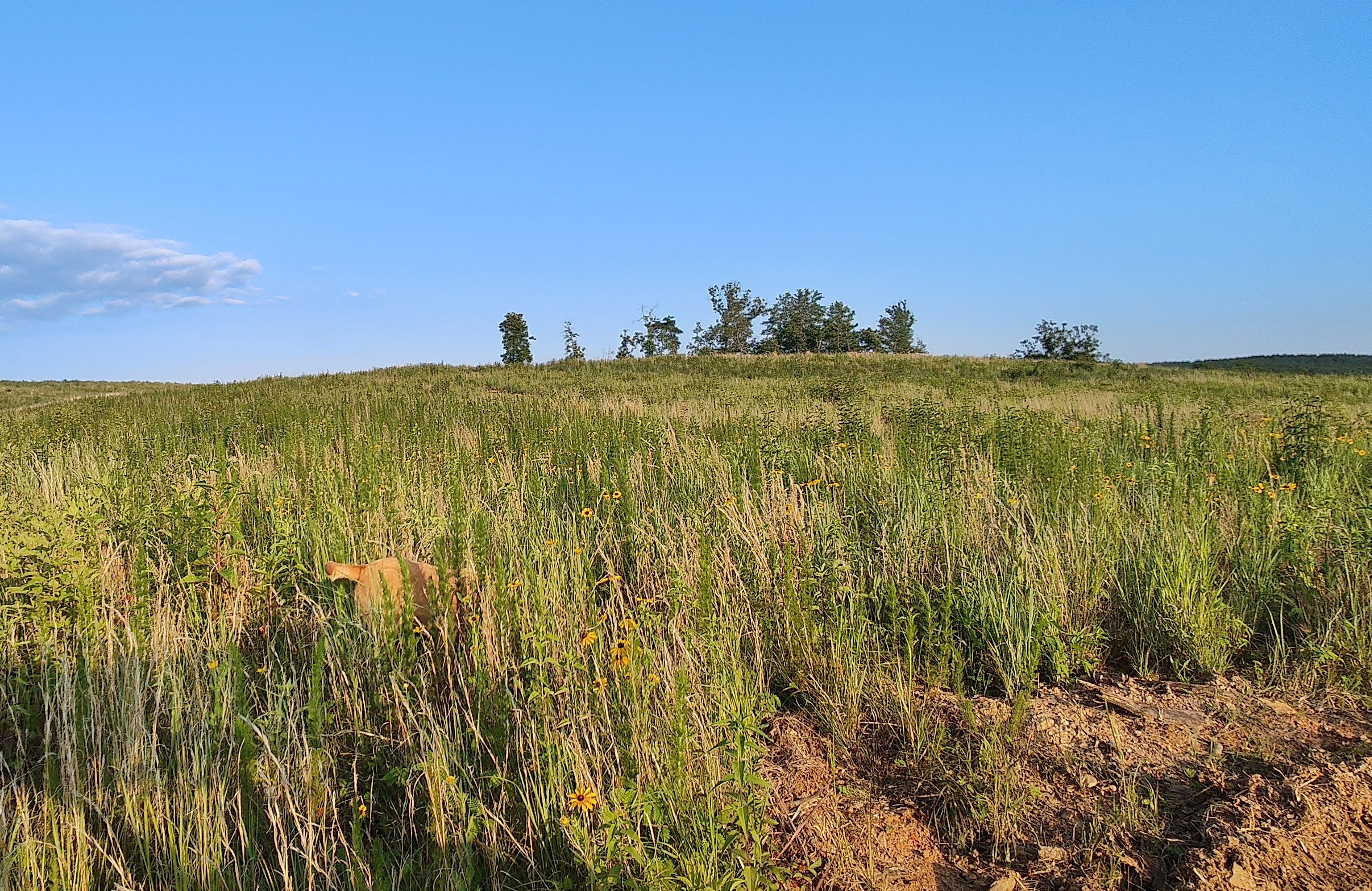
You want a real quail-hunting day - something with skill, dogs, and big open fields. A quail hunting preserve gives you managed habitat, trained birds, and guided or self-guided hunts, so you can focus on the fun and not sweat the details. Picture rolling hills, birds that actually fly, and a lodge with a porch swing waiting for you at sundown.
At High Rock Preserve, we’ve built that kind of day by staying rooted in the land itself. Managing fields the right way, giving birds room to behave naturally, and creating space where hunters, families, and dogs can slow down and enjoy the moment. From sunrise in the fields to quiet evenings back at the lodge, every detail is shaped by respect for tradition, safety, and the outdoors.
Bring your adventure and your boots. Here’s how to pick the right preserve, prep for the hunt, work with dogs, and truly enjoy the whole experience.
What Is a Quail Hunting Preserve?
A quail hunting preserve is a managed property where you hunt quail in fields that feel wild, often with guides, a lodge, and trained dogs. Preserves balance sport, safety, and habitat care, so you get a real upland experience without wondering if there’ll be any birds or where you’re allowed to go.
Preserves raise and manage quail on private land to give you predictable, ethical hunting. You’ll find planted fields, brushy patches, and flight lanes that mimic wild habitat. Most offer guided or self-guided hunts, dog handling, and advice on shot placement and safety.
You’ll get the basics: secure parking, shooting stations, and sometimes a lodge for overnights. You pay for access, logistics, and the work that keeps fields and birds in top shape. This setup works for both first-timers who want help and seasoned hunters looking for reliable birds.
Quail Hunting Preserves: From The Start
Quail hunting preserves got their start in the 19th and early 20th centuries, when private estates in Europe and the U.S. began managing game for sport. Over time, landowners and clubs improved breeding, habitat planting, and guided hunts. The focus moved from just producing birds to conservation-minded management.
Modern preserves blend tradition with land stewardship. You’ll see things like rotational planting, predator control, and native grass restoration. These steps help quail and other wildlife, while keeping hunting ethical and sustainable. High Rock Preserve, for instance, tries to do both - hospitality and habitat care.
Regulations and Licensing
You have to follow state hunting laws when you hunt on a preserve. That usually means a valid hunting license, migratory bird stamps if needed, and sticking to season dates and bag limits. Preserves might also want waivers, extra permits, or proof you took hunter education.
Operators set their own rules too: firearm safety zones, ammo restrictions, dog requirements, and safety briefings. You’ve got to follow both state law and preserve policy. If you don’t, you might get kicked out or fined, so check rules before you go and pack the right paperwork.
Choosing the Right Quail Hunting Preserve
Choosing a quail hunting preserve isn’t just about convenience—it’s about finding a place where the land, the birds, and the experience are treated with care. The best days in the field come from preserves that balance good habitat, thoughtful management, and a pace that lets you enjoy the hunt instead of rushing through it.
We believe a preserve should feel welcoming from the moment you arrive, whether you’re hunting solo, bringing a dog, or turning it into a weekend with friends or family. The details matter, and they show up long before the first bird flushes.
Location Considerations
A good preserve starts with the land itself. You want rolling terrain, open fields broken by edge cover, and enough space that you’re not crowded or pushed along. Distance matters too—an easy drive makes it possible to hunt more often and stay relaxed instead of worn out before you even step into the field.
Terrain shapes everything. Hills, grass, and brush influence how birds fly and how dogs work scent. Weather plays its part as well, so thoughtful field layout and drainage go a long way toward keeping hunts enjoyable even when conditions change. Larger properties with clear boundaries tend to offer better flow, quieter hunts, and more room to spread out.
For those who value privacy or want time to train dogs or host a group, preserves that offer exclusive land use or flexible scheduling can make all the difference.
Bird Quality
Not all quail hunts feel the same—and it usually comes down to the birds. Strong-flying quail that behave naturally create the kind of challenge upland hunters look for. We focus on birds that flush clean, hold to cover, and reward good dog work rather than staged shooting.
Knowing which species are managed—and how they’re released and rotated—helps set expectations. Guided or self-guided options give hunters control over pace and style, while careful release timing keeps pressure low and birds acting wild.
Many preserves also offer chukar or pheasant for variety. That mix can test different shooting skills and give dogs valuable experience across species.
Amenities
A well-run preserve supports the hunt without distracting from it. Simple things—room to gear up, water for dogs, warm places to gather afterward—help turn a day in the field into something you’ll want to repeat.
Experienced guides, clear safety protocols, and well-marked fields keep everyone comfortable and focused. Lodging, dog handling, and flexible land use allow hunters to slow down, stay overnight, and enjoy the land beyond just the hunt itself.
Extras like bird cleaning, meals, or space to practice shooting aren’t about luxury—they’re about letting you stay present and enjoy the full rhythm of the day, from first light to the quiet that settles in after sunset.
Preparing for Your Quail Hunt
You’ll need the right gear, a safety plan, and the right licenses before you hit the field. Pack smart, double-check rules, and know what tends to go wrong so you can keep the day fun.
Essential Gear Checklist
Bring a reliable shotgun (20 or 12 gauge works), plus two to four boxes of upland loads. Use a barrel choke for short, fast shots—modified or improved cylinder is usually good.
Wear blaze orange (vest or hat), breathable layers, and boots with ankle support. Leather gloves and a cap help with sun and brambles.
Carry ammo in a belt or vest, extra shells in zip bags, and a small first-aid kit. For dogs, bring a leash, water, vest, bowl, and waste kit. Pack binoculars, a folding game bag, and zip ties or string for birds.
Use a GPS or phone with offline maps, a compact knife, and shooting glasses (amber lenses are nice). Add a weatherproof map, snacks, and sunscreen. If you’re staying overnight, don’t forget toiletries and a warm layer for the chilly mornings.
Safety Tips and Common Mishaps
Always keep muzzles pointed safe, and don’t touch the trigger until you’re on target. Treat every gun as loaded and call out commands clearly when dogs or people move.
Watch the ground—quail fields hide ditches, briars, and mud. Walk single file on narrow paths and tell others before you cross fences or roads.
Don’t run unless you have to. Most injuries are twisted ankles and falls. Double-check boots and gear for loose laces or straps that snag. Drink water and snack—tired hunters make dumb mistakes.
Keep an eye on your dog. Lost dogs mean long, stressful searches. Use GPS collars or bright vests, and agree on meeting points. Bring simple wound care for thorns or stray shot and have a plan if someone gets hurt badly.
Hunting Licenses and Required Permits
Make sure you have your state hunting license and any upland bird stamps before you go. Most preserves want both a resident or nonresident license, plus a migratory bird permit for game birds.
Check bag limits and season dates for quail in your state. These change by region and year, so print the latest summary or download it.
If you’re at High Rock Preserve or similar, get written permission or a reservation receipt. Some places want liability waivers and proof you passed hunter ed.
Carry your license, permits, and photo ID. Keep copies in your car or phone. If you use a guide, make sure they’re licensed and their paperwork covers your hunt.
Hunting Techniques and Best Practices
Here’s how to actually find, flush, and (hopefully) shoot birds—while keeping land and dogs safe. Focus on method, dog work, and habits that help you, not just busywork.
Popular Hunting Methods
Walk-up hunting works well in open fields and edges. Move slow, zigzag or quarter the ground, and keep birds from sneaking out ahead. Pause quietly to scan for movement and listen for wingbeats.
Driven hunts are for bigger fields or groups. Set shooters where birds will push through, and agree on signals to start and stop. Safety and clear talk matter most here.
Stand hunting is for field edges or cover. Pick a spot with clear shooting lanes and good views. Don’t overdo the calling—sometimes just being in the right place beats any decoy.
Working With Hunting Dogs
Teach the basics: steady here, whoa, flush, and retrieve. Get your dog to quarter ahead and hold point until you say so. Short, frequent training beats long, exhausting sessions.
Reward calm. Praise and treats after a good point or retrieve help a lot. Practice blind retrieves so your dog can find birds in thick stuff or from a distance.
Keep your dog safe and rested. Bring water, plan breaks, and pace yourself. A vest or GPS collar helps in thick cover, in case your dog decides to chase a rabbit instead.
Tips for Success (Or At Least Not Going Home Empty-Handed)
Scout the field early or show up at first light. Look for game trails, feeding spots, and thick cover where quail like to hide. Mark them on your phone or map for later.
Match shot size and choke to the bird and range: smaller shot for close work, tighter patterns for longer shots. Keep shells handy and use a sling or vest so your hands stay free.
Dress for the terrain. Quiet, low-profile clothes and good boots help you move and don’t spook birds. Bring a simple kit: water, shells, binoculars, folding knife, and first-aid.
Respect the land and rules. Stick to bag limits, pick up your shells, and leave gates how you found them. At places like High Rock Preserve, good ethics and habitat care mean you’ll get to hunt there again.
Quail Species
You’ll meet a few kinds of quail on preserves, each with its own look, call, and quirks. Knowing which bird you’re after helps you pick the right dog, gear, and plan.
Bobwhite Quail
Bobwhite quail are the classic upland bird. They’re about 5–7 ounces, have mottled brown backs, and the males sport a white throat patch. Their call sounds like “bob-white”—pretty easy to pick out at dawn.
They’d rather run through grass and brush than fly at first. When they flush, it’s quick and low—good luck keeping your cool. Numbers change by region, so solid habitat and management matter if you want to see birds.
You’ll see strong pair bonds and family groups. Most hunts focus on walking edges and cover where bobwhites feed on seeds, bugs, and native plants.
Northern Bobwhite vs. Coturnix
The Northern bobwhite is native to North America and the usual bird on preserves. It likes a patchwork of grass, shrubs, and open field. The male’s call and field habits help you track coveys and guess where they’ll flush.
Coturnix, or Japanese quail, are smaller and chunkier. People brought them in for gamebird farms and as release birds. Coturnix fly in short, zippy bursts and usually stick to thick cover near release spots. Their calls are softer and not as distinct as the bobwhite’s.
For hunting, Northern bobwhites give you that classic wild feel and a tougher challenge. Coturnix are good for training dogs or quick, predictable shoots. Just check which species the preserve manages so you know what you’re in for.
Habitat Preferences
Quail really need a mix—cover, food, and open ground. The best spots offer native grasses, briar tangles, and scattered shrubs for hiding and brooding. Bare patches of dirt matter too; that’s where they chase bugs, especially in spring and summer.
You’ve got to keep early successional plants going. Controlled burns or mowing help keep cover useful instead of choked. Quail love the edges where woods meet fields—perfect for loafing and feeding. Water helps during hot spells, but honestly, if there’s enough food and shade, they’ll manage.
At places like High Rock Preserve, staff work on habitat mosaics, manage predators, and plant food plots. All that keeps coveys around and gives hunters a shot at steady action.
After the Hunt: What Comes Next?
You’ll want to move quickly but not rush. Get birds cooling, figure out if you’ll clean them yourself or let a processor handle it, and think about how you’ll eat or freeze the meat.
Cleaning and Processing Your Quail
First step: field-dress any birds that need it. Open the cavity, pull out the organs, and rinse gently with cool water. Get birds on ice and out of the sun fast to keep them safe.
If you’re plucking, dunk in warm water (120–130°F) to loosen feathers, then singe off pinfeathers if you care about the details. For skin-on birds, go slow with the entrails—nobody wants a busted crop. If you stick to plucking, keep your workspace clean and don’t mix tools between meat and feathers.
Some folks like to leave heads and feet on for trophies or ID. If you’re squeamish or just tired, a local processor can finish the job, vacuum-pack, and label everything for you.
Cooking Ideas That Impress (or Just Feed You)
Quail doesn’t take long. For a basic roast, salt, pepper, a little rosemary, then sear in a hot pan and finish in a 400°F oven for maybe 8–10 minutes. Don’t overdo it—quail dries out fast.
Try grilling spatchcocked birds for even heat. Stuff breasts with herb butter or a strip of bacon if you want more flavor (and who doesn’t?). For soups or stews, simmer bones a couple hours for stock, then add veggies, rice, or barley.
Busy weeknight? Debone breasts and pan-sear for salads or pasta. Fruity sauces—fig, orange, cranberry—are great for when you’re feeling fancy but don’t want to fuss.
Preservation and Storage Tips
Cool birds within two hours. Wrap each one in butcher paper or vacuum bags to dodge freezer burn. Label with date and cut—future you will thank you.
Freeze whole or portioned quail at 0°F or colder, up to six months. Short-term? Keep on ice in the fridge for up to 48 hours, around 32–38°F. Thaw slow in the fridge to keep the texture right.
Cure or confit legs? Store them in fat in the fridge for weeks, or freeze for later. Keep a quick list on your phone or cooler so you don’t forget what’s left before your next trip to High Rock.
Planning a Group Trip to a Quail Hunting Preserve
Group hunts are where stories get made—but only if they’re planned with intention. When you bring together friends, family, or coworkers, the experience should feel smooth, unhurried, and rooted in the land, not bogged down by logistics. We approach group trips as shared time outdoors, shaped around people, dogs, and the rhythm of the fields.
Whether it’s a small circle of hunting buddies or a larger gathering, the goal stays the same: give everyone room to hunt well, connect, and enjoy the full day—from first light to the quiet that settles in after.
Bookings and Clear Planning
We encourage groups to plan early, especially if you’re hoping to stay overnight or reserve specific fields. Knowing your group size, number of dogs, and whether you want guided or self-guided hunts helps us match you with the right ground and pace.
Clear expectations make a better day. We walk through safety briefings, firearm guidelines, and field flow ahead of time so nothing feels rushed or confusing once boots hit the ground. Deposits, timelines, and simple schedules keep things organized—so the focus stays on the hunt, not the paperwork.
For groups that want privacy or flexibility, exclusive land use and custom scheduling can make all the difference, especially during peak season.
Special Events and Packages
Check out group packages that bundle guides, dogs, and meals. Not every group trip looks the same. Some folks want a classic guided hunt with dogs and a hot meal waiting after. Others are here for training days, celebrations, or time outdoors that mixes hunting with hiking, riding, or simply sitting on the porch watching the light change.
We build group experiences that fit the moment—whether that means coordinated bird releases, shared meals, space to gather afterward, or time carved out for training and conversation. A loose but thoughtful schedule leaves room for both structure and spontaneity, which is usually where the best memories live.
Etiquette for Surviving With Friends (and In-Laws)
Good group hunts work best when everyone’s on the same page. We recommend setting roles early—who’s driving, who’s handling dogs, who’s helping with birds—so the day flows without friction.
Respect for the land matters just as much as respect for each other. Following field guidelines, picking up shells, staying on trails, and keeping feedback positive all help maintain the tone. A few small preparations—extra water, snacks, spare gear—go a long way toward keeping spirits high and friendships intact.
Conservation and Sustainability Efforts
High Rock Preserve works hard to manage bird numbers and land health. They plan releases, keep up with habitat work, and check on things regularly.
Restocking and Wildlife Management
We restock with birds bred for strong flight and wild instincts, so hunts feel real, not staged. Birds come in small batches timed with cover growth and decent weather—less stress, better survival.
The team tracks survival, broods, and predator activity with weekly surveys. GPS mapping helps them record release spots and adjust numbers by microhabitat instead of guessing.
Hunting gets managed with quotas and field rotation. Daily limits, staggered open dates, and selective use give birds space to breed and feed. Handlers work dogs with care to avoid spooking non-target wildlife.
Habitat Restoration Initiatives
You’ll see native grasses, brush piles, and patchy mowing to make room for quail to nest and raise chicks. They plant warm-season grasses and forbs that shelter chicks and feed adults.
Edges get special care: hedgerows, fenceline shrubs, and thickets make great escape routes and travel corridors. Creeks and wet spots are fenced off to keep streams clean and boost insect life for chicks.
They treat invasive plants spot-by-spot instead of nuking everything with herbicide. Soil tests guide low-impact planting, and volunteers pitch in to collect native seeds in fall. Restoration stays practical and community-driven.
Seasonal Considerations at Quail Hunting Preserves
Timing and weather shape every trip. Pick dates when birds move, dogs can work, and trails aren’t a mess.
Best Times of Year to Visit
Late fall to early winter usually brings the best flights. Cool mornings get birds moving and keep dogs fresh. November to January is prime in many spots.
Spring works for training and drills, but birds scatter once nesting starts. Want fewer crowds and open lodges? Try late winter or off-peak spring.
Check local hunting seasons and preserve-specific dates. At High Rock, guided hunts run most of upland season, and lodge spots disappear fast on holidays—book early.
Weather Impacts on Hunting
Wind shifts where birds hold and how scent travels. Light wind helps dogs and flushes; heavy gusts push birds low and make shots tricky.
Rain softens ground and slows birds, but a drizzle can keep them tucked in cover—expect quieter hunts. Heavy rain or mud? Forget safe ATV use, and walking gets dicey.
Temperature matters for dogs and birds. Hot days tire dogs fast; cold snaps make birds stick tight. Always check the forecast, layer up, and bring water for everyone.
Final Thoughts: Is a Quail Hunting Preserve Right for You?
If you’re drawn to time outdoors that feels honest and unhurried, a quail hunting preserve may be exactly what you’re looking for. Done right, it’s not about convenience or numbers—it’s about stepping into well-kept fields, working good dogs, and earning each bird in a setting that feels alive.
We see every hunt as a balance between challenge and care. For those new to the sport, guided days and clear instruction make learning approachable and safe. For seasoned hunters, strong habitat, thoughtful field rotation, and birds that behave naturally keep the experience sharp and rewarding. Either way, the land sets the tone.
Logistics matter, but they shouldn’t rush the day. Having a place to stay, gather, and slow down turns a hunt into something more than a morning outing. It gives you space to swap stories, watch the light fade, and wake up ready to do it again—without feeling pressed to pack up and leave.
We also believe how you hunt matters just as much as whether you hunt. Ethical harvest, attention to safety, and ongoing habitat care protect the experience for everyone who follows. Healthy fields and healthy birds don’t happen by accident—they’re built through patience, restraint, and respect for the land.
If you’re looking for community, tradition, and time well spent outdoors, a preserve offers more than just birds. It offers moments—shared walks, quiet mornings, and memories that last longer than the season. Bring your boots, your curiosity, and a willingness to learn. The rest tends to take care of itself once the sun comes up and the fields start to stir.
Frequently Asked Questions
Here’s where we get into money, distance, top spots, what birds you’ll find, and how tough quail hunts really are in different states. Expect straight talk on costs, travel, and what to expect across four regions.
How fat does my wallet need to be to enjoy a day at a quail hunting preserve?
A typical day hunt runs $150–$400 per person, depending on guides, birds, and extras like dog handling or lunch. Staying overnight in a rustic lodge costs more—figure $200–$500 per night if you want a room and meals.
Don’t forget license fees, shells, and tips. Renting a dog or private land? Add another $50–$200.
When considering a quail quest, are preserves just around the corner or over the hills and far away?
Some preserves are within an hour of mid-size cities; others are two to four hours from big metro areas. In North Carolina, look near Raleigh or Charlotte for shorter drives.
If you want a remote, all-day outing, plan for a longer drive and maybe a night over. Always check driving time and road conditions before you go.
Where's the quail hunting Shangri-La that every hunter raves about?
You’ll find great quail where open fields meet brushy edges and cover’s managed. In the Southeast, preserves with rotating plantings and covey management give you steady birds and strong flights.
High Rock Preserve keeps up planted cover, dog-friendly fields, and guided hunts—hunters seem to love the steady action and classic upland feel.
If I'm in Louisiana, will I find more quail or crawfish on a hunting preserve?
Down in Louisiana, coastal and wetland spots lean toward waterfowl and crawfish, not quail. Northern and upland areas offer quail habitat, but numbers depend on land management and season.
You’ll find more crawfish in the swamps and better quail on managed upland preserves away from the marsh.
Do Mississippi preserves serve their quail with a side of blues?
Mississippi’s got strong upland country and a real hunting tradition, so you’ll find good quail preserves there. The music and culture add to the trip—expect friendly guides and Southern hospitality, though not a blues band at every hunt.
Book early for peak season; good preserves work the land to keep coveys healthy and huntable.
Is getting a quail in Arizona like finding a needle in a cactus patch?
Arizona’s desert quail—think Gambel’s quail—don’t act much like the Eastern bobwhite. You’ll spot birds, sure, but the terrain, heat, and tricky cover mean you’ve got to change up your tactics and hit the field early. Hunts move quickly, and it really helps to have a seasoned dog or a guide who knows the desert inside out.
Arizona quail hunts? They’re definitely possible, but you need to know the area and pick your timing to dodge that brutal midday sun.
Reserve Your Presence in the Preserve
Join us at the preserve and step into the fields to lose yourself in the perfect scene of adventure, relaxation, and lasting memories.
Book Your High Rock Upland Escape
