
%201.png)

%201.png)




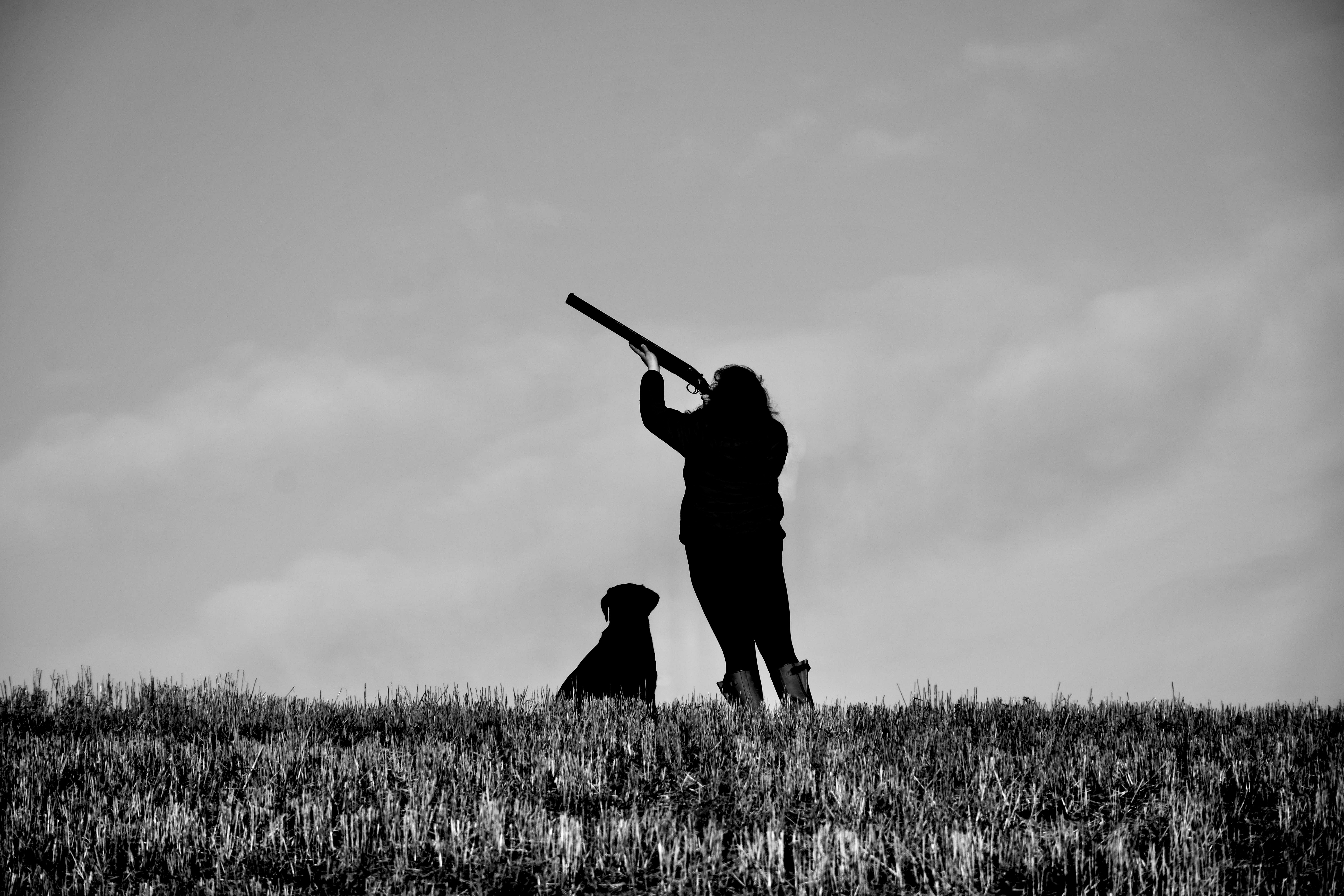
Family Hunting Trips: Tips for Epic Outdoor Adventures
Family hunting trips bring people together through shared discovery, fresh air, and time spent in nature. These outings give everyone a chance to step away from daily routines and build memories around upland bird hunting, storytelling, and exploration.
At High Rock Preserve, families can enjoy rolling hills, thriving wildlife, and a comfortable lodge where everyone can rest after time in the field. The land offers space to introduce young hunters to the sport, walk quiet trails, and simply enjoy the outdoors together.
Planning ahead helps every family member stay comfortable and engaged. Pack the right clothing and gear, follow all safety practices, and choose activities that match each person’s age and ability. When the environment is welcoming and the day is well prepared, a family hunting trip becomes more than an outing. It becomes a lasting memory filled with excitement, learning, and time well spent outside.
Planning Your Family Hunting Trip
Preparing for a family hunting trip means focusing on what each member hopes to gain, finding a place that fits your group’s needs, and picking dates that suit everyone’s schedule. These details help create a trip that balances adventure, safety, and enjoyment for all ages.
Setting Trip Goals
Start by discussing what your family wants from the trip. Are you aiming for a full hunting experience with guided hunts, or do you want to mix hunting with nature walks and outdoor activities?
Defining your goals ensures everyone’s expectations align. Consider skill levels too.
If some family members are new to upland bird hunting, opt for guided experiences or choose easier terrains. Focus on time spent together rather than just the hunt to keep the experience inclusive and fun for all ages.
Bringing friends or pets along? Make sure your goals include how to accommodate everyone safely and comfortably.
Choosing the Right Destination
Choose a location that supports your goals for a family trip and offers space for everyone to feel welcome. High Rock Preserve provides well-managed upland bird hunting fields and rustic lodge accommodations that blend outdoor adventure with peaceful nature retreats. Families can select guided or self-guided hunts based on comfort level and experience.
Trails throughout the preserve create opportunities for hiking and running, giving younger members extra ways to explore and enjoy the land. Dogs are welcome, and private land rental options offer added privacy for those who want the outdoors to feel like their own space.
The lodge includes shared areas that encourage conversation, stories, and time together after a day outside. Wildlife management and sustainable land practices help ensure that every visit supports both the environment and the future of upland hunting. Families can relax knowing the land is cared for with respect, and their adventure is built on authenticity and stewardship.
Selecting the Best Dates
Coordinate dates based on seasonal hunting schedules for quail, chukar, or pheasant, as these affect bird availability and conditions. Early fall to late winter offers peak upland bird activity in many regions.
Consider school calendars, holidays, and work commitments. Avoid extreme weather periods and crowded holiday weekends to stay comfortable and maximize time on the field.
Booking in advance is crucial for popular seasons. Some preserves, like High Rock, manage their fields carefully, so your preferred dates might fill quickly.
Choosing Family-Friendly Hunting Locations
Picking the right hunting spot sets the foundation for a successful family trip. A good location balances safety, accessibility, and outdoor enjoyment for hunters of all ages. You want a place with clear rules, easy access, and upland bird options that help young or less experienced hunters learn with confidence.
Why High Rock Preserve Works for Families
High Rock Preserve offers a controlled upland environment where families can hunt quail, chukar, and pheasant while exploring fields that are carefully managed for both safety and wildlife health. Guided hunt options provide instruction and support, and self-guided opportunities allow families to explore at their own pace. Rustic lodging and open gathering spaces help everyone stay comfortable, connected, and relaxed throughout the trip.
The preserve is built to be family-friendly, with room to move, space to explore, and outdoor activities beyond hunting. Trails for hiking or running add variety to each visit, giving younger members more ways to spend time outside and enjoy the land.
Youth-Friendly Game Options
Upland birds such as quail and pheasant are well suited for beginners. Their smaller size and field style help new hunters learn safe shot placement and develop shooting discipline. At this preserve, guidance and instruction are available for youth and first-timers, helping them build confidence, understand firearm safety, and develop respect for the sport.
Focusing on approachable game creates a relaxed and encouraging environment. It keeps the experience positive and invites young hunters to appreciate time outdoors and the traditions of upland hunting.
Easy Access and Clear Regulations
The preserve is located near Lexington, North Carolina, with marked access points, clear signage, and lodging close to the hunting grounds. This setup reduces travel stress for families and makes it simple to move from planning to preparing for the field.
Licensing and safety rules are clearly outlined, and the preserve offers support in navigating permit requirements and regulations. Families can arrive knowing what is needed to hunt legally and responsibly, allowing everyone to focus on time together, time outdoors, and the enjoyment of a safe and successful trip.
Safety Tips
When planning a family hunting trip, clear safety rules and preparation keep everyone secure and comfortable. Understanding firearm handling, being ready for emergencies, and respecting wildlife behavior are essential steps for a successful outing in nature.
Firearm and Equipment Safety
Always treat every firearm as if it’s loaded. Teach children and beginners to never point guns at anything they don’t intend to shoot.
Keep fingers off the trigger until ready to fire. Use age-appropriate firearms and equipment.
Properly sizing gear for younger family members reduces accidents. Inspect all gear before heading out to ensure it functions correctly.
Wear bright, visible clothing, especially orange, to distinguish the group from wildlife and other hunters. Keep safety glasses and hearing protection accessible for all participants.
Set clear ground rules before you start. No running with firearms, always keep the muzzle pointed safely, and communicate your location to others at all times.
Emergency Preparedness
Bring a well-stocked first aid kit tailored for outdoor injuries like cuts, insect bites, and sprains. Know basic first aid skills, and ensure at least one adult in the group is comfortable handling emergencies.
Plan your trip with clear check-in times and a communication device that works in the area. Cell service can be spotty, so consider a satellite messenger or two-way radios.
Keep a map of the preserve and trails, like those available at High Rock Preserve, to avoid getting lost. Mark emergency exit routes and safe gathering points.
Prepare for weather changes by packing layered clothing and rain gear. Hydration is crucial—carry enough water for everyone and monitor signs of heat exhaustion or hypothermia.
Wildlife Awareness
Respect wildlife by observing from a distance. Teach your family not to approach or feed wild animals to avoid unpredictable behaviors.
Know which local species pose potential risks, such as snakes or aggressive birds, and how to respond calmly to encounters. Avoid disturbing nests or dens.
Keep dogs leashed or under control, especially near wildlife habitats, to protect both your pets and the natural inhabitants.
Look out for signs of active wildlife around you, such as tracks or calls. Moving quietly and staying alert helps you enjoy nature safely while minimizing surprise encounters.
Essential Gear for All Ages
Preparing for a family hunting trip means packing thoughtfully to meet everyone's needs. You’ll want gear that balances comfort, safety, and function for both adults and children, ensuring a smooth, enjoyable day outdoors.
Clothing and Footwear
Wear layers that adapt to changing weather. Start with moisture-wicking base layers to keep skin dry.
Add insulating mid-layers for warmth and a waterproof outer shell to protect from wind and rain. For footwear, choose sturdy boots with good traction and ankle support.
Kids especially need well-fitting boots to prevent blisters and provide stability on uneven trails. Don’t forget wool or synthetic socks to avoid dampness.
Bright orange or blaze-colored clothing is essential during hunting season to increase visibility and safety. For children, ensure clothing fits well and is comfortable without restricting movement.
Hats, gloves, and weather-appropriate accessories round out your gear.
Hunting Equipment for Kids
Provide age-appropriate hunting gear designed for safety and ease of use. Many preserves, like High Rock Preserve, require minors to meet safety criteria before participating.
Start with lightweight firearms or training bows suited for younger hands. Equip kids with hearing and eye protection to protect their senses during the hunt.
A safety harness or leash may be useful in guiding younger hunters through fieldwork. Teach them how to carry and handle their gear responsibly.
Practice makes perfect before heading into the field. Always supervise and stay within arm’s reach to ensure safe habits take root.
Packing Checklists
Create checklists tailored to each family member for efficient packing. Essentials include:
- Sturdy boots and layered clothing
- Water bottles and snacks
- Safety gear: eye/ear protection, blaze gear
- Hunting licenses and permits
- First aid kit
For kids, add items like insect repellent, sunscreen, and a small daypack for personal gear. Bring a camera or binoculars to engage their natural curiosity.
Organizing gear in labeled bags can simplify transitions between hiking, hunting, and downtime. Keeping things accessible reduces stress and maximizes your time enjoying the outdoors together.
Making the Trip Fun for Kids
Introducing children to hunting trips means balancing learning with enjoyment. Focusing on skill-building, interactive games, and team activities can keep kids engaged and excited throughout the day.
Preparing them with patience and creativity makes the experience memorable and rewarding.
Teaching Hunting Skills
Start with the basics—safety is your top priority. Teach kids how to handle equipment carefully and explain the importance of respecting wildlife and the environment.
Demonstrate simple techniques like properly holding a shotgun and identifying bird species common in upland fields. Use hands-on practice in a controlled setting before heading into the field.
Short, focused lessons on tracking, shooting posture, and spotting birds build confidence. Praise their progress and keep explanations clear and age-appropriate.
At High Rock Preserve, guided hunts provide an ideal learning space, where experienced mentors help kids develop skills safely while connecting with nature.
Games and Activities
Break up the day with outdoor games to keep energy high and attention focused. Simple activities like nature scavenger hunts or bird-calling contests encourage exploration and sharpen observation skills.
Organize challenges such as timed walking trails or target shooting with safe alternatives like air rifles or clay pigeons. These fun moments boost coordination without pressure.
Incorporate storytelling breaks where you share outdoor lore or field experiences. This adds wonder and keeps kids curious about the environment around them.
Encouraging Teamwork
Hunting trips are perfect for teaching cooperation and communication. Assign group tasks like scouting the area, spotting birds, or managing gear.
These roles promote responsibility and a sense of shared accomplishment. Encourage kids to support one another during the hunt.
Celebrate successes as a team and guide them through setbacks with encouragement rather than criticism. Working together deepens bonds and makes the experience more enjoyable.
It also reflects the time-honored tradition of upland hunting as a community activity rooted in respect and connection.
Healthy Meals and Camp Cooking
Eating well on a family hunting trip keeps energy high and spirits lifted. Focusing on balanced, easy-to-prepare meals helps you stay nourished without spending all day cooking.
Simple planning and kid-friendly options make camp meals part of the fun.
Meal Planning Tips
Start by packing ingredients that store well and cook quickly over a campfire or portable stove. Think whole grains, fresh vegetables, lean proteins, and healthy fats.
Pre-measure spices and dry mixes to save time and weight. Use a checklist to balance meals across your trip.
Include snacks like trail mix, jerky, or fresh fruit for energy on the go. Plan for at least one hot meal each day to warm everyone after time outdoors.
Keep utensils and cookware minimal: a skillet, pot, sharp knife, and fire-safe gloves. Foil packets are great for easy grilling and cleanup.
Don’t forget plenty of water and containers to stay hydrated.
Kid-Friendly Recipes
When cooking for kids in the field, prioritize familiar flavors that are nutritious and straightforward. Breakfast options like oatmeal with nuts and dried berries fuel mornings with slow-burning energy.
Lunch can be sandwiches with lean turkey, cheese, and whole-grain bread, paired with carrot sticks or apple slices. For dinner, consider campfire quesadillas or foil-wrapped chicken with potatoes and green beans.
Keep seasonings mild and avoid anything too spicy. Involving kids in simple cooking tasks, like assembling wraps or stirring pot meals, keeps them engaged and eager to eat.
Capturing Family Memories
Preserving moments from family hunting trips is about more than just pictures or notes. It’s creating a lasting record of shared experiences, the sounds of the wilderness, and the bond you build with both the land and each other.
Simple habits and a bit of planning will help you capture these memories in meaningful ways.
Photography Tips
Focus on natural moments instead of staged shots. Early morning light and the golden hour before sunset provide soft, warm lighting that enhances the scenery and the expressions on your family’s faces.
Use your phone or a compact camera to document candid interactions—like a child spotting a bird or the quiet focus before a hunt. Keep your gear handy and accessible so you never miss key moments.
Try these quick tips:
- Use burst mode for action shots to catch fast movements.
- Capture wide shots that show the rolling hills or wooded trails alongside your family.
- Don’t forget close-ups of hands, boots, or dogs in motion—it adds texture to your story.
Keep your lens clean and respect the moment; sometimes silence is as important as the shot.
Journaling Your Adventure
Writing down details during or right after your trip helps preserve the feel of the day. Note weather conditions, sounds, wildlife sightings, and the small stories that happen between hunts.
A simple notebook or a dedicated app works well. You can use bullet points for quick notes or short paragraphs to capture more reflective thoughts.
Try to include:
- Who was there and what they did.
- Memorable conversations or unexpected moments.
- The landscape changes or new trails explored.
Sharing these notes later brings memories back to life and connects family across trips.
Sustainable Hunting Practices
When you bring your family hunting, focusing on sustainability helps protect the land and wildlife. Responsible habits ensure that future generations will enjoy the same rich experiences and natural beauty.
Practices like teaching conservation ethics and following Leave No Trace principles are key to maintaining balance in the outdoors.
Teaching Conservation Ethics
Passing conservation values to your family creates respect for wildlife and habitat. You can start by explaining why maintaining healthy populations of upland birds like quail and pheasant matters.
Emphasize that ethical hunting means taking only what the land can support. Encourage learning about local species, life cycles, and habitat needs.
Show how careful planning and patience contribute to sustainable hunts. At High Rock Preserve, guides often share insights on population management and why it’s critical to avoid overharvesting.
Teaching kids and new hunters to value wildlife beyond the hunt fosters a lifelong commitment to stewardship.
Leave No Trace Principles
When you’re out hunting or hiking, minimizing your impact protects the land’s natural state. Simple actions like packing out all trash, sticking to trails, and avoiding disturbance to plants and wildlife make a big difference.
Be mindful of where you walk and limit your group size to reduce wear on sensitive areas. Campsites and hunting spots should be left as you found them, free of debris and signs of use.
Use clean, quiet gear and keep noise levels down to prevent stressing animals. These principles help preserve the balance of the ecosystem and keep the preserve’s landscapes pristine.
Post-Trip Activities
After a family hunting trip, the days that follow are just as important. This time lets you honor what you’ve harvested and share the experience together in meaningful ways.
Game Processing at Home
Processing your game carefully preserves the quality of your harvest. Start by skinning and butchering soon after returning to keep meat fresh.
Use clean tools and a cool, shaded space to avoid spoilage. You can choose to cut the meat into family-sized portions or prepare it for freezing.
Label each package with the date and type of bird to keep your freezer organized. If you’re new to processing, watching tutorials or asking experienced family members for guidance can help.
Cleaning tools and your work area thoroughly after the process protects against contamination.
Celebrating Success as a Family
Sharing stories and meals together strengthens family bonds after the hunt. Prepare your game in a simple, traditional way that highlights the flavors of the upland birds you harvested.
Consider hosting a meal where everyone helps cook or sets the table. This shared effort turns the act of eating into a celebration of teamwork and respect for nature.
You might also review photos or notes from the trip, recalling highlights and lessons.
Frequently Asked Questions
Planning family hunting trips means balancing fun, safety, and comfort while choosing the right destination and type of experience.
Costs, guided options, and safety are common concerns for families heading outdoors together.
What are some recommended destinations for family hunting trips in California?
Look for areas with diverse game, like the Sierra Nevada foothills or the Central Valley. These regions offer quail, pheasant, and chukar, providing variety for family hunts.
How can I find affordable family hunting trips?
Book during off-peak seasons and consider self-guided trips. Renting private land, like what High Rock Preserve offers, lets you control costs and create a personalized experience.
Are there guided hunting trips suitable for families?
Yes. Choose guides who specialize in family hunting, focusing on safety and education.
Guided hunts at preserves often come with added support for beginners and kids.
What should I look for in an all-inclusive hunting trip package?
Check if the package includes lodging, meals, gear rental, and guide services. All-inclusive trips simplify planning and help keep your family comfortable throughout the stay.
Are there any budget-friendly hunting trip options in the USA?
Regions like the Midwest and parts of the South have affordable upland bird hunting with quality preserves. Look for packages that combine hunting with rustic lodging to maximize value.
What safety measures should we consider when planning a hunting trip with children?
Ensure all participants use proper safety gear. Provide thorough instruction before the hunt.
Keep close supervision and set clear rules. Choose age-appropriate hunting locations and times.
Reserve Your Presence in the Preserve
Join us at the preserve and step into the fields to lose yourself in the perfect scene of adventure, relaxation, and lasting memories.
Book Your High Rock Upland Escape
