%201.png)

%201.png)




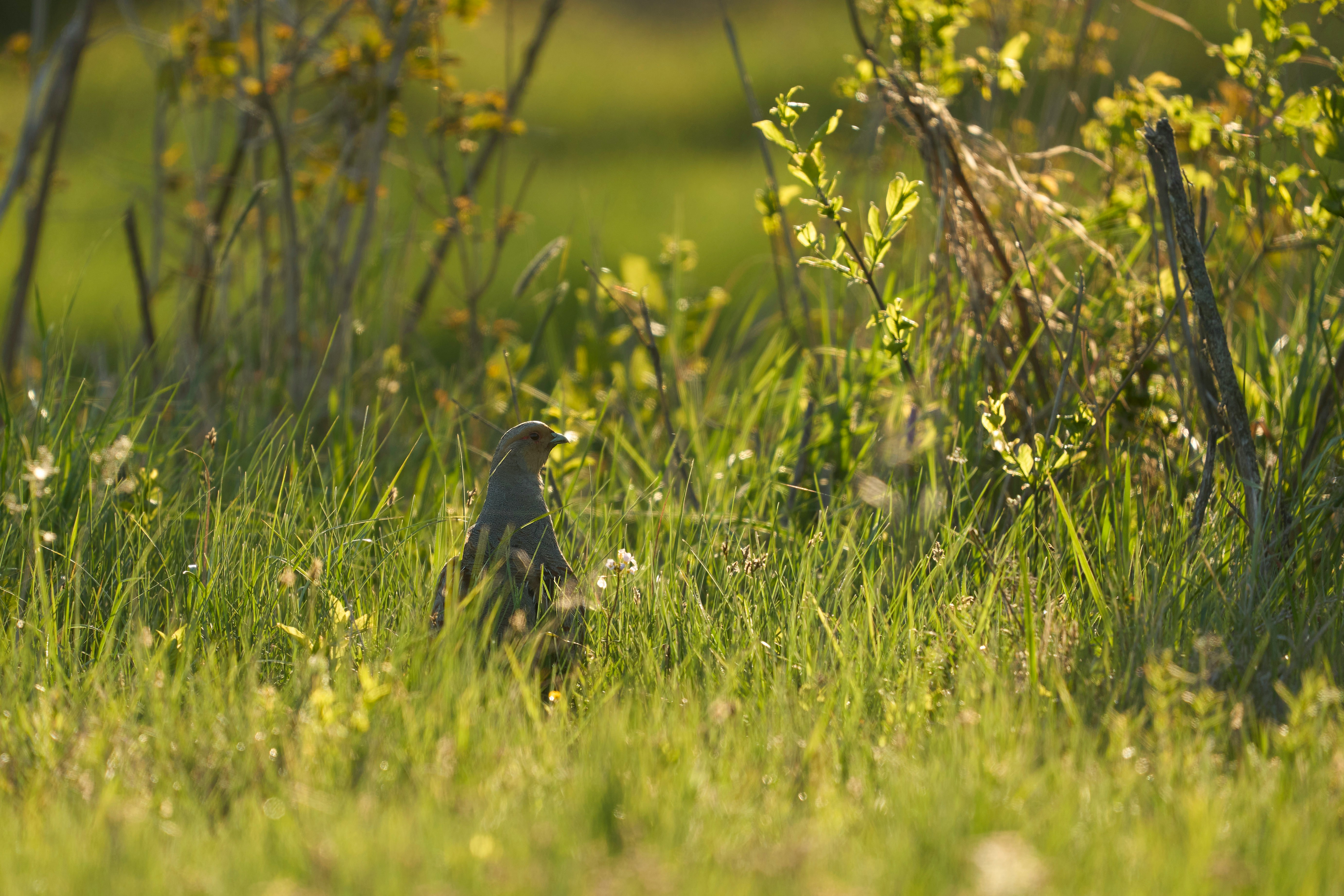
How to Hunt Quail Successfully: Tips for Beginners and Pros
Hunting quail calls for patience, preparation, and a deep respect for the land. Success begins with understanding how these birds move through their environment. Knowing where quail feed, rest, and travel helps you get close without startling them, and that knowledge often makes the difference between an empty day and a full game vest.
At High Rock Preserve, quail habitat is carefully shaped to support realistic upland conditions for both seasoned hunters and those stepping into the sport for the first time. The open fields and natural cover give you real opportunities to follow birds, watch movement, and learn the land from every angle.
Whether you choose a guide or explore on your own, arriving prepared with proper gear and a clear plan will strengthen your success. Reading terrain, working confidently with a trained dog, and placing clean shots are skills that turn a casual outing into a memorable upland experience.
The quiet thrill of watching birds flush across open ground is a feeling that keeps hunters returning year after year, ready for another sunrise in the field.
Quail Habits
Quail are small, fast birds with specific habits that influence where and when you’ll find them.
Knowing their types, daily behaviors, and seasonal shifts will help you plan a more effective hunt.
Types of Quail
The bobwhite quail is the most common species you'll encounter in upland hunting, including at High Rock Preserve.
These birds have strong flying skills and tend to stay near brushy fields, grasslands, and edges of woodlands.
Other species like the scaled quail or mountain quail are more regional.
Knowing which quail live in your hunting area helps you focus your search and track their movements with more precision.
Key features of bobwhite quail:
- Compact size, brownish body with white throat patch (in males)
- Generally found in coveys of 10–20 birds
- Strong flyers but prefer to run when startled
Behavior and Habitat
Quail prefer habitats with a mix of open fields for feeding and dense cover for shelter.
They rely heavily on low shrubs, tall grasses, and brush piles to hide from predators.
During the day, they tend to stay close to cover, feeding on seeds, berries, and insects early and late.
When startled, they burst into swift, low flight with a sharp whistle.
You’ll often hear their distinctive “bob-white” call at dawn or dusk, which can guide you toward nearby coveys.
At High Rock Preserve, the upland fields are designed to mimic this natural habitat, providing ideal conditions for quail to thrive.
Seasonal Patterns
Quail behavior shifts with the seasons.
In spring and early summer, males call frequently to establish territory and attract mates.
Nesting occurs in thick grassy areas close to cover.
During fall and winter, quail form larger coveys to improve survival.
They focus more on feeding and conserving energy, making them more predictable in movement.
Weather also affects their patterns.
Rain or intense heat pushes quail to seek denser cover and reduces their daily movement.
Planning hunts around cooler, dry mornings often gives you the best chance to find active birds.
Essential Quail Hunting Gear
To hunt quail effectively, you need gear that supports accuracy, comfort, and safety.
Choosing the right shotgun and ammunition, dressing appropriately for the terrain, and having essential safety equipment will improve your experience and confidence in the field.
Shotguns and Ammunition
For quail hunting, a lightweight 20-gauge or 12-gauge shotgun is ideal.
These shotguns offer manageable recoil and adequate power to take down fast-flying birds.
Look for models with a 26-28 inch barrel for smooth swings during flight shooting.
Use birdshot sized between #7.5 and #8 for quail; this provides a good balance between pellet count and effective pellet energy.
Avoid larger shot sizes, which can be excessive and damage meat quality.
Bring enough shells—at least two boxes—to cover your hunt without rushing reloads.
If you hunt at High Rock Preserve, their rolling hills and open fields demand reliable, well-maintained firearms for clean, ethical shots.
Clothing and Footwear
Wear breathable, durable clothing suited for moderate cover and variable weather.
Camouflage patterns that blend with dry grasses and shrubs work well to keep you concealed.
Choose long sleeves and pants to protect against brush and ticks.
Sturdy, waterproof boots with good ankle support are crucial because you’ll navigate uneven terrain with brush and occasional mud.
Lightweight hiking boots or well-broken-in hunting boots that grip well on rocky or grassy ground will keep you steady.
Layering helps as mornings start cool and afternoons warm, especially around fields like those at High Rock Preserve.
Don’t forget a hat and UV protection for sunny days.
Safety Equipment
Safety is paramount.
Always carry ear and eye protection tailored for shooting.
Noise-canceling earmuffs or plugs protect your hearing, while wraparound shooting glasses shield your eyes from debris and flying shot.
Bring a high-visibility vest or blaze orange hat when moving between cover to stay visible to other hunters in mixed groups.
A basic first-aid kit should be in your pack, along with water and a map of the area.
At High Rock Preserve, safety protocols are part of the experience, ensuring every hunter respects the land and each other while enjoying upland bird hunting.
Choosing Prime Quail Hunting Locations
Finding the right place to hunt quail begins with choosing land that supports strong bird populations and gives you safe, legal access to the field. Habitat quality matters as much as gear or skill. Look for upland terrain that offers natural cover, reliable food sources, and space to move comfortably through the landscape.
Why High Rock Preserve Is the Ideal Setting
High Rock Preserve provides carefully managed upland habitat designed to support strong-flying quail. The land is shaped with native grasses, brush edges, and open meadows that create natural paths for hunters and birds alike. This setting gives you access to fields that are maintained with purpose, offering the right mix of challenge, adventure, and opportunity.
Benefits of Hunting on a Private Preserve
A private preserve gives hunters more freedom to learn the land without competing for space. Trails are clear, fields are tended, and the habitat is designed to encourage healthy bird movement. You can choose guided support or explore independently based on your comfort level and goals.
On private land, you do not have to scout unknown areas or worry about crowded access points. Instead, you can focus on reading cover, walking through rolling hills, watching your dog work, and learning how quail respond to the terrain. This approach keeps you close to the birds and makes your time in the field more productive and enjoyable.
If you want a quail hunting location that blends comfort, authenticity, and room to grow as a hunter, this preserve offers an ideal environment for a successful season.
Effective Scouting Techniques
Successfully finding quail means knowing where to look and how to read the land.
Using visual clues and modern tools will save you time and increase your chances of a rewarding hunt.
Attention to terrain features and technology helps you pinpoint likely quail locations.
Identifying Signs of Quail
Look for small, rounded dust baths in dry, open patches surrounded by cover.
These are areas quail use to keep their feathers clean.
Tracks are subtle but watch for tiny three-toed footprints in soft soil or sand.
Listen closely for the distinctive calls—a clear, whistled “bob-white” often signals nearby coveys.
Pay attention to low flights and sudden rustling.
Quail favor edges where brush meets open fields, especially near native grasses or brush piles.
Vegetation plays a big role.
You want to focus on diverse habitats with grassy weeds, seed-bearing plants, and brush thickets for shelter and food.
At High Rock Preserve, the mix of rolling hills and open meadows creates perfect scouting conditions.
Using Maps and Apps
Topographical maps reveal elevations, water sources, and natural barriers.
Quail often congregate near gentle slopes and low-lying brushy areas you can identify from these maps.
Apps like onX Hunt or Gaia GPS help track your routes and mark sightings.
They show real-time terrain and allow you to save waypoints — ideal for revisiting promising spots.
Satellite views offer a bird’s-eye perspective of cover types and field edges.
Combine maps with weather apps to plan hunts around wind direction and temperature, which influence quail movement.
Using these tools together refines your scouting and enhances your success in the field.
Hunting Methods and Strategies
Your approach to hunting quail can shape both the challenge and the reward.
Whether you choose to go solo or with a group, move through the fields or stay put, each method has distinct benefits and techniques to enhance your experience.
Solo Versus Group Hunting
Hunting alone gives you freedom to move quietly and adjust your pace.
You can follow your instinct and react quickly to birds on the move.
Solo hunting requires you to be extra aware of your surroundings since you have no one watching your back.
Group hunting brings teamwork and the chance to cover more ground.
You and your companions can communicate, flush birds from different angles, and share the thrill of a successful flush.
At High Rock Preserve, guided group hunts balance safety and camaraderie while maintaining respect for the land.
Choose solo hunting for a quiet, immersive connection with the field.
Pick group hunting to increase your chances and enjoy the social energy.
Walking and Flushing Techniques
Walking slowly, scanning fields and edges, helps you find where quail hide in grass, brush, or undergrowth.
Walk parallel lines, watching carefully for subtle movement or sound.
Flushing involves flushing birds into flight just ahead of you or a hunting dog.
Stand behind or beside your dog to keep pace as it lifts birds.
At High Rock Preserve, strong-flying quail challenge your timing, so patience and steady trigger control matter.
Use cover to your advantage, moving quietly and avoiding wind direction that might alert birds.
Know when to pause to listen and watch; sudden movement or noise can ruin a flush.
Stationary Setups
Sometimes waiting in one place pays off.
You might find a known bird path or a field edge frequented by quail.
Choose a blind, a tree line, or a rise in terrain to stay hidden.
From a stationary spot, you conserve energy and study the birds’ patterns.
This method works well during cooler parts of the day when quail gather to feed or rest.
Set up early and stay alert for wing beats or calls.
Use a wide shooting angle and be ready when birds flush from nearby cover.
Stationary hunting favors patience and sharp focus over fast movement.
Using Hunting Dogs for Quail
Hunting dogs make quail hunting more effective and enjoyable.
They help locate birds quickly and bring them back, saving time and effort.
Choosing the right breed and properly training your dog will enhance your success in the field.
Best Dog Breeds
Certain breeds excel at quail hunting due to their strong noses, energy, and cold-nose hunting style.
The English Setter is a classic choice, known for its steady point and stamina.
Brittany Spaniels are versatile, quick, and easy to train, making them popular among upland hunters.
Other solid options include the German Shorthaired Pointer and the Labrador Retriever.
These breeds combine athleticism with a good nose and good temperament for bird hunting.
At High Rock Preserve, hunters often bring dogs of these breeds to navigate the varied terrain and thick cover.
Training Tips
Start with basic obedience commands like sit, stay, and come, which are essential for safety and control.
Next, introduce your dog to birds gradually, using quail or similar upland birds to teach scent recognition.
Consistent exposure to fields and cover builds confidence and sharpens hunting instincts.
Use positive reinforcement and short training sessions to keep your dog engaged.
Incorporate retrieves, quarters, and steady pointing during training.
Working with experienced guides, like those at High Rock Preserve, can accelerate your dog’s skill development in a live hunting environment.
Shot Placement and Shooting Tips
Successful quail hunting depends on precise shot placement and steady shooting habits.
You’ll want to focus on clean, humane kills by aiming at key areas and improving your accuracy through consistent practice.
These elements combine to make your hunt both effective and respectful to the bird.
Aiming for Clean Kills
Aim for the bird’s head or just behind it, targeting the neck area where vital organs are located. Quail have small, fast-moving bodies, so this shot placement ensures a quick and ethical kill.
Avoid shooting at the wings or tail, as that often results in wounded birds that are difficult to recover.
Use instinctive shooting techniques, focusing on where the bird will be, not where it is. Lead the bird by a few inches depending on its speed and distance.
At High Rock Preserve, the birds are strong-flying, so practicing this lead is key. Take your shot only when you have a clear, unobstructed view of the bird.
Improving Accuracy
Start by practicing on clay targets or stationary objects to build muscle memory and confidence. Use a shotgun fitted with chokes suitable for upland birds—improved cylinder or modified chokes help balance spread and reach.
Consistent gun mount and sighting position help reduce flinching and improve follow-through. Keep your stance solid with weight evenly distributed and trigger control smooth.
Scanning your environment and anticipating bird flight paths sharpens response time. Booking your next hunt at High Rock Preserve offers ideal conditions to hone these skills in natural terrain.
Field Dressing and Handling Quail
Proper field dressing and handling are essential to maintain the quality and flavor of your quail. Quick, clean work in the field preserves meat and reduces spoilage.
Knowing how to efficiently manage your harvest will make your outing more rewarding and safe.
Cleaning Techniques
Start by removing the feathers using a sharp knife or plucking by hand. Cut around the vent to avoid damaging the meat inside.
Next, make a shallow incision from the vent toward the breast, carefully opening the body cavity. Remove the entrails gently, taking care not to rupture the crop or intestines, which can spoil the meat.
Rinse the bird inside and out with clean, cold water to flush away any blood or debris. If you have a dog with you, keep the dressed quail out of their reach to avoid contamination.
Use gloves if possible to maintain hygiene during this step. At High Rock Preserve, we encourage respect for the harvest, so take your time and handle birds with care.
Safe Storage
Keep the dressed quail cool immediately after cleaning—ideally in a cooler with plenty of ice. The temperature should stay below 40°F to prevent bacterial growth.
Avoid letting the birds sit in water or melted ice. Wrap each bird loosely in clean paper towels or butcher paper to absorb moisture without sealing in humidity.
Plastic bags can trap condensation, which hastens spoilage. Store the wrapped quail in a ventilated container or basket.
If you plan to store the birds for more than a day, refrigeration is best. For longer storage, freeze your quail promptly, ideally within 24 hours, to preserve flavor and texture.
Label packages with the date to track freshness.
Cooking and Enjoying Quail
Quail offers a tender, flavorful meat that cooks quickly and pairs well with simple, fresh ingredients. You can prepare it whole or in parts, using methods that highlight its natural taste without overwhelming it.
Popular Recipes
Roasting quail with herbs like thyme and rosemary is a classic choice. Season the birds lightly with salt, pepper, and olive oil, then roast at 400°F for 15-20 minutes until the skin crisps and the meat remains juicy.
Another popular method is pan-searing breast meat. Cook it over medium-high heat for 3-4 minutes per side, then finish with a splash of white wine or lemon juice to enhance brightness.
You can also try quail braised slowly in mushrooms, garlic, and red wine. This yields a rich, tender dish suited for cooler evenings after a day in the field.
Creative Serving Ideas
Serve roasted quail on a bed of wild rice or creamy polenta for a rustic feel. Adding seasonal vegetables like sautéed kale or roasted root vegetables creates balance and color on your plate.
For a lighter option, slice warm quail breasts thinly over a fresh arugula salad with toasted walnuts and a honey-mustard vinaigrette. This combination highlights the bird’s delicate flavor.
At High Rock Preserve, many enjoy pairing their meals with locally sourced sides and fresh herbs from the outdoor kitchen. Simple sauces—like a blackberry reduction or pan jus—can elevate the dish without overpowering the natural gamey notes.
Conservation and Responsible Hunting
When you hunt quail, respect for the land and wildlife is essential. At High Rock Preserve, we prioritize conservation to keep upland habitats healthy and thriving.
This means following local hunting regulations and observing seasonal limits. You can help protect quail populations by practicing ethical hunting methods.
Only take what you need and avoid disturbing nesting areas or sensitive habitats. Using dogs responsibly also supports the birds and environment.
Here are some responsible hunting tips to follow:
- Always carry proper licenses and permits.
- Hunt in designated areas to avoid disrupting other wildlife.
- Pick up all spent shells and trash to keep the preserve clean.
- Use shotshells designed to minimize environmental impact.
- Support land management efforts that balance recreation with habitat preservation.
High Rock Preserve welcomes you to experience upland hunting with care and integrity, ensuring the quiet beauty of the fields remains for years to come.
Plan your next visit with conservation in mind—book a hunt or explore our scenic trails and see how stewardship shapes every adventure.
Troubleshooting Common Quail Hunting Challenges
Quail hunting often tests your skill beyond just spotting birds. You must navigate uneven ground and adapt to changing weather to keep the hunt safe and successful.
Dealing with Difficult Terrain
Quail habitats often include thick brush, rocky slopes, and uneven ground. Wear sturdy boots with good ankle support to prevent injury.
Move slowly and cautiously to avoid startling birds prematurely. Use the natural contours of the land to your advantage.
High Rock Preserve’s rolling hills can help you anticipate quail flight paths. Look for patches of dense grass or brush where quail like to hide and start your flush quietly.
If you’re hunting with a dog, teaching them steady and controlled movement over rough terrain will keep you both in sync and alert to bird movement.
Overcoming Weather Obstacles
Wind and rain can obscure bird calls and alter quail behavior. On windy days, stay on the sheltered side of hills or trees to keep scents and sounds in your favor.
Carry lightweight waterproof gear to stay dry without hindering mobility. Early morning dew makes the ground slick, so adjust your pace to avoid slips.
In colder weather, layer clothing to maintain body temperature without overheating during exertion. At High Rock Preserve, weather changes quickly, so checking forecasts before heading out and preparing for shifting conditions will keep your hunt productive.
Frequently Asked Questions
Understanding the gear, techniques, and terminology for quail hunting helps you prepare effectively. Hunting conditions differ by region, so knowing local season dates and regulations is important for a smooth experience.
What equipment do I need to start hunting quail as a beginner?
You’ll need a reliable shotgun, typically a 20- or 12-gauge, suited for upland birds. Wear comfortable, durable clothing in earth tones and sturdy boots for rough terrain.
Don’t forget essential gear like shells, a hunting vest with pockets, and eye and ear protection.
Can you give tips for hunting quail without the help of a dog?
Hunting without a dog means relying on keen observation and patience. Walk slowly through brushy areas, listen for rustling, and look for signs like tracks or droppings.
Using a whistle or calling softly can sometimes coax quail into view.
What are some common terms and phrases used in quail hunting?
You’ll encounter terms like “flush,” which means the bird rises suddenly; “limit,” referring to the legal bag limit of birds you can harvest; and “covey,” a group of quail.
Reserve Your Presence in the Preserve
Join us at the preserve and step into the fields to lose yourself in the perfect scene of adventure, relaxation, and lasting memories.
Book Your High Rock Upland Escape
