







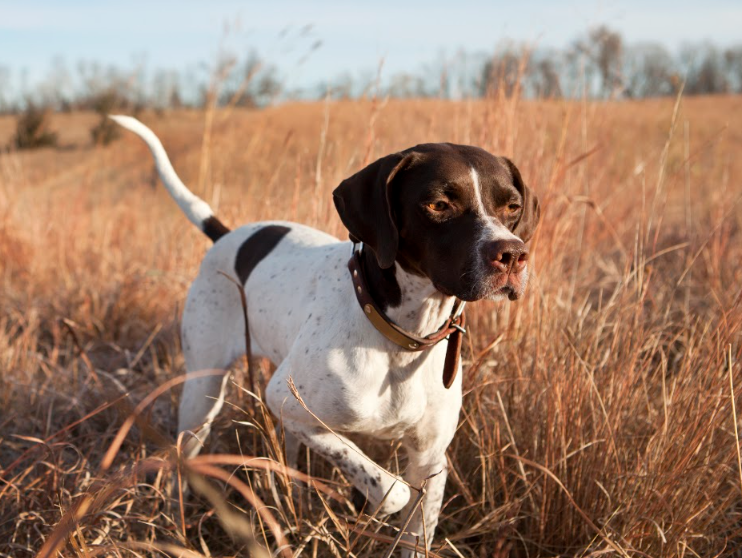
How to Safely Remove a Tick From Your Dog After a Day Afield
Your dog worked hard today. Tall grass, brushy edges, a few trips through the briars after a downed bird. Back at the truck, you run your hands down his coat and feel a small bump near his ear that was not there this morning. That is the moment most of us learn how to remove a tick from a dog, and it is a skill worth having down cold before you ever need it. Done right, it takes about a minute and keeps a small problem from turning into a bigger one.
Planning a day in the field with your dog near the Triad? Come see the grounds and book a guided Hunting and Shooting experience at High Rock Upland Game Preserve.
You need fine tweezers and a steady hand, not a folk remedy
Keep this simple. A pair of fine-tipped tweezers or a purpose-made tick tool is all it takes. Skip the old tricks you may have heard around a campfire. Burning a tick with a match, smothering it with petroleum jelly, or dabbing it with nail polish does not make it back out cleanly. Those methods tend to irritate the tick and can make it release more saliva into the bite, which is the opposite of what you want. Cold, clean, mechanical removal is the approach to trust.
Before you start, settle your dog. A calm dog holds still, and holding still is half the job. Have a helper hold him or work with him lying on his side if he is used to that. Wear gloves if you have them, and keep a small jar or piece of tape nearby so you have somewhere to put the tick when it comes out.
Grip low, pull slow, and do not twist
Part the hair so you can see where the tick meets the skin. The goal is to grab the tick as close to your dog's skin as possible, right at the mouthparts, not up on the swollen body. Gripping the body can squeeze it and push fluid back into the bite.
Once you have a firm, low grip, pull straight up with steady, even pressure. No jerking, no twisting, no sawing side to side. The tick will let go after a second or two of patient tension. If part of the mouth stays behind, leave it alone. Your dog's body will usually work it out like a splinter, and digging at it does more harm than a tiny fragment left in place. If the spot looks angry or swollen a few days later, that is a reason to call your veterinarian.
After the tick is out, clean the bite with a little soap and water or a pet-safe antiseptic, and wash your own hands too. Drop the tick in a sealed bag or small jar. If your dog shows any signs of illness in the weeks ahead, having that tick, or at least knowing when the bite happened, gives your vet useful information.
The real work happens before the tick ever bites
Prevention beats removal every time. Talk with your veterinarian about a tick preventive that fits your dog, your region, and how much time he spends in cover. North Carolina ticks are active across much of the year, not just high summer, so a bird dog working the Piedmont is exposed well into the cooler months. A good preventive routine is part of getting a dog ready for a season of hard hunting, the same way conditioning and training are. If you are putting together a plan for the fall, our guide on how to prepare your dog for bird season covers the bigger picture of field readiness.
Habitat matters too. Ticks wait on grass tips and brush at the edges of fields and trails, questing for a host to brush past. A dog that spends the day quartering through that cover is going to pick some up, which is normal. The same is true for folks who spend time on our ATV and hiking trails. Awareness is the tool, not fear.
Make the tick check part of your tailgate routine
The best time to find a tick is before it has been attached long. Build a quick check into the end of every hunt, right there at the truck while your dog is cooling down and getting water.
Work with your hands and your eyes, section by section. Ticks favor warm, tucked-away spots, so pay extra attention to these areas:
- In and around the ears, and along the ear flaps
- Around the eyes and muzzle
- Under the collar and down the neck
- In the armpits and the groin
- Between the toes and in the webbing of the paws
- Under the tail and around the back end
Running your fingers against the lie of the coat helps you feel small bumps you might not see on a dark or thick-coated dog. A dog that is comfortable being handled makes this easy, which is one more reason steady bird dog training pays off in ways that go beyond pointing and retrieving. The more your dog trusts your hands, the better you can care for him.
Know which signs mean it is time to call the vet
Most tick bites amount to nothing more than a small scab that heals on its own. Still, tick-borne illnesses are real, and they can take days to weeks to show up. You are not expected to diagnose anything in the field. Your job is to notice changes and get professional help promptly when something seems off.
Reach out to your veterinarian if, in the days or weeks after a bite, your dog seems unusually tired, is limping or stiff with no obvious injury, runs a fever, goes off his food, or has swelling that keeps growing at the bite site. These signs do not always mean the worst, but they are worth a phone call. Your vet can decide whether testing or treatment makes sense. When in doubt, ask. A quick call is cheaper than a guess.
Want to put your dog on real birds this season? Reach out at 866-999-0930 or book your guided upland hunt and we will help you plan the day.
Frequently Asked Questions
How long does a tick have to be attached before it can spread disease?
It varies by the type of tick and the illness involved, but in general the longer a tick stays attached, the higher the risk. That is exactly why a same-day check at the truck matters so much. Finding and removing a tick within a few hours of attachment gives you the best odds, far better than discovering one that has been feeding for a day or two at home.
Should I save the tick after I remove it?
It can help. Seal it in a small bag or jar and note the date. If your dog develops symptoms later, your veterinarian may want to know what kind of tick it was and roughly when the bite happened. If your dog stays healthy, you can simply throw it away after a few weeks.
Can I use a tick preventive and still skip the checks?
No. Preventives greatly reduce the risk, but no product is perfect, and some work by killing a tick after it bites rather than stopping the bite. Treat the preventive and the hands-on check as a pair. Together they cover far more than either one alone.
What if the tick's head breaks off in my dog's skin?
Do not dig for it. A small mouthpart left behind is usually pushed out naturally over a few days, much like a splinter. Clean the area and keep an eye on it. If it becomes red, swollen, or painful, or does not settle down, call your veterinarian.
Are certain dogs more likely to pick up ticks?
Any dog that spends time in grass and brush is exposed, so hard-charging upland dogs tend to find more than a couch companion would. Coat type changes how easy they are to spot, not how many a dog collects. Thick or dark coats just mean you rely more on your fingers than your eyes during the check.
Is tick season only in summer?
No. In the North Carolina Piedmont, ticks can be active during mild stretches well into fall and even winter. A bird dog working cover through the hunting season stays exposed, so keep up the preventive and the checks as long as you are afield.
Reserve Your Presence in the Preserve
Join us at the preserve and step into the fields to lose yourself in the perfect scene of adventure, relaxation, and lasting memories.
Book Your High Rock Upland Escape
