
%201.png)

%201.png)




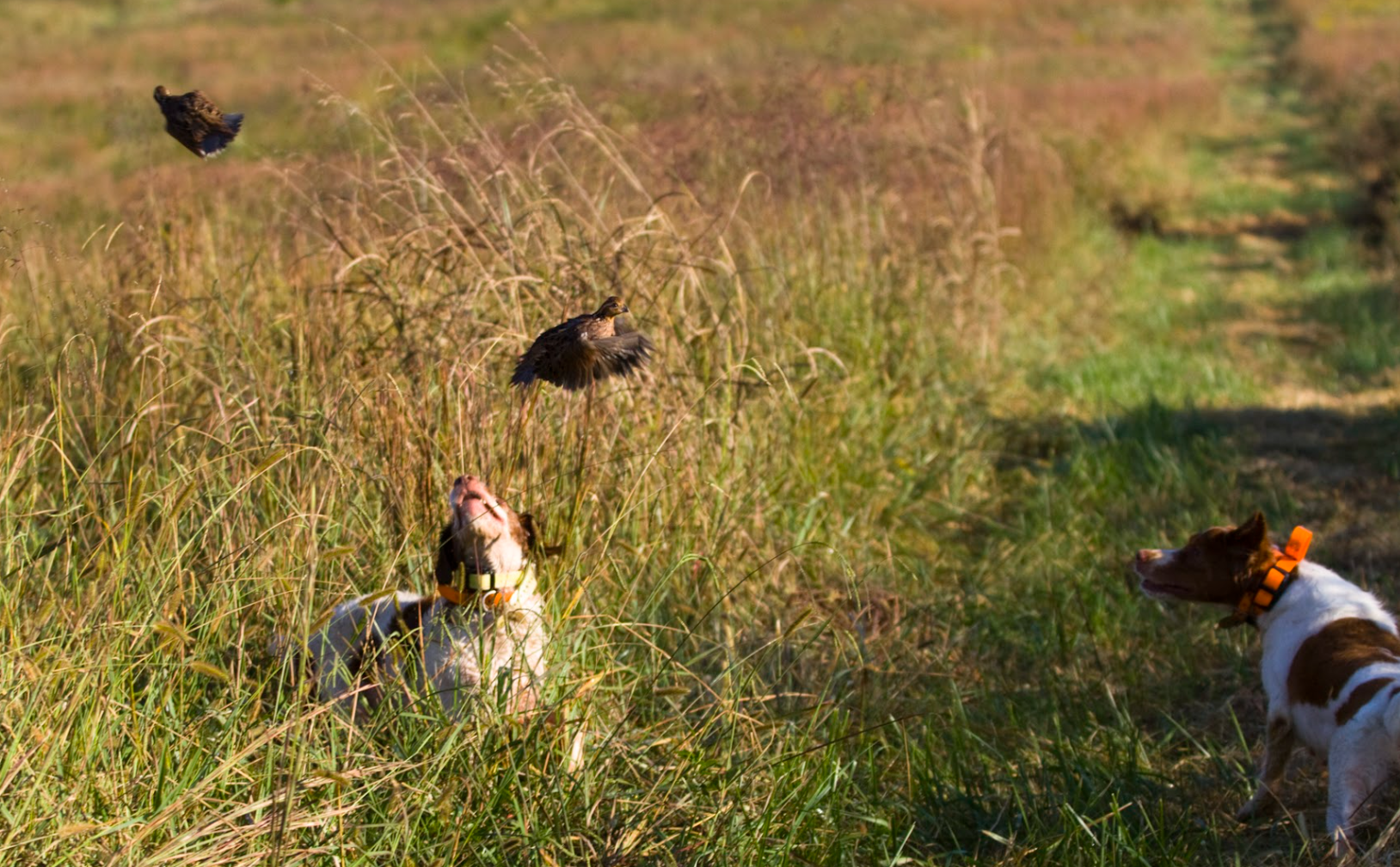
How To Prepare Your Dog For Bird Season: Field-Ready Tips
There is a certain kind of morning that bird hunters live for. Frost clings to the grass, your dog quivers with anticipation at the tailgate, and the air smells like woodsmoke and wet leaves. Whether you are after quail in the Carolina Piedmont, pheasants in the Midwest, or grouse in the tangled hardwoods of the Southeast, one thing can make or break your hunt. How you prepare your dog before opening day shapes just about everything that follows.
Getting your dog field-ready is not something you can cram into the last two weeks. It takes steady work across physical conditioning, obedience, bird exposure, and safety. Honestly, that process is half the fun. Long walks in late summer, quiet mornings in the field, and those goofy training mishaps all build a bond that makes every hunt richer.
Let us walk through what it takes to get your dog from snoozing on the couch to chasing birds like a pro. We will break things down from assessing your dog's starting point to packing your vest for that first chilly morning. You will find practical steps you can start using right now.
The best conditioning happens on real ground with real birds. When your dog is ready to log some field time, come run our upland bird hunting fields near Charlotte, NC and let the training come together.
Assess Readiness Before Opening Day
Before you start training, take a good, honest look at where your dog is physically, mentally, and with basic obedience. A dog that seems ready at home might fall apart in the field when birds, thick cover, and chaos hit all at once.
Age, Maturity, And Breed Considerations
Not every dog is ready to hunt at the same age. Push too hard, too soon, and you might create problems that stick around for years. Most pointing breeds, such as English setters, GSPs, and Brittanys, hit their stride between 18 months and two years. Labs and goldens usually mature on a similar timeline, though some are ready a bit earlier.
Younger dogs, especially in their first season out, need shorter hunts, easier cover, and a lot more patience. You just cannot expect the same from a six-month-old pup on its first bird as from a seasoned three-year-old. Let young dogs mess up. Do not over-correct. The first season should be about making good memories with birds, guns, and the field, not cranking out a finished hunting dog.
If your dog is on the older side, say seven or up, think about joint health and stamina. Older dogs can still have great seasons, but they need smarter conditioning and more breaks.
Physical Condition And Endurance
A dog that has lounged through summer is not ready for a full day's hunt right out of the gate. Be honest about body condition. You should feel ribs easily, but not see them sticking out. Extra weight puts stress on joints and limits how long your dog can go.
Start conditioning walks about two months before the opener. Begin with 20 to 30 minutes of brisk walking or light jogging, bumping up distance and pace each week. By the last two weeks, your dog should handle several miles over mixed ground without getting sore or wiped out by morning.
Keep an eye out for limping, stiffness after rest, or reluctance to move. If you see any of that, talk to your vet before the season starts.
Obedience Benchmarks For Field Work
Field obedience is not about perfection. It is about safety and having enough control when birds, other dogs, and excitement are flying everywhere. Before opening day, your dog should reliably respond to a few must-have commands.
Whoa or sit, your stop command, is huge for pointing breeds. Your dog needs to stop when you say so, especially near roads, fences, or sketchy terrain. A solid recall, by voice or whistle, keeps your dog from ranging too far and helps in tricky moments. Heel matters when walking to the field, through gates, or in parking lots with other hunters.
If any of these feel shaky, work on them in quiet places first. Then slowly add distractions like other dogs, caged birds, or a buddy firing a blank at a distance.
Build Core Field Skills
Solid field skills are what make hunting with your dog a joy instead of a headache. A fit dog that cannot quarter a field or hold steady on a flush will drive you nuts, no matter how much natural talent it has.
Steadiness And Recall Under Distraction
Steadiness means your dog stops and stays put when birds flush, no matter what is happening. It is tough to teach, but it is worth every minute. A dog that bolts at every flush not only ruins shots but also risks getting hurt.
Start with a check cord and practice flushing pigeons or pen-raised quail. Each time a bird flushes, give your stop command and use light check cord pressure if needed. Reward the dog for staying, not chasing. Over time, your dog will connect the flush with the command.
For recall, call your dog back during exciting moments, such as when it is trailing scent or watching another dog. Use the same whistle pattern and make a big deal out of every good return. If your dog comes back in training, you will have a much better shot at it returning in the field.
Quartering, Range, And Patterning
For upland hunting, a dog that quarters the field in a windshield-wiper pattern will find more birds than one that runs wild or sticks to your boots. Teaching your dog to work the wind and cover both sides of you is a skill that gets better every year.
Use open fields and your own movement to shape the pattern. Walk with intent, change direction when your dog drifts too far, and use whistle cues to call it back if it ranges past shotgun distance, usually inside 100 yards for upland hunting.
Range depends on breed and terrain. A pointer in open grasslands can run wider than a spaniel in thick creek bottoms. Know what your hunting ground calls for and adjust your training.
Retrieving Basics For Upland Birds
A good retrieve brings birds back cleanly and keeps cripples from disappearing in heavy cover. Even pointing breeds benefit from a reliable retrieve. Start with short, fun retrieves to build drive. Use bumpers or frozen birds, and just do not let your dog chew or play with the bird.
Gradually up the distance and add light cover like tall grass. Your dog should learn to use its nose, not just its eyes, to find downed birds. A dog that marks the fall and then scents out the bird is a keeper.
If your dog will not give up the bird, work on a release command. Have it hold the bird until you say so. This builds steady mouth habits and keeps birds in good shape for the table.
Condition Your Dog For Real Hunting Conditions
Training in a neat field on a cool morning is fine, but real hunts are almost never that tidy. Getting your dog used to tough conditions before the season pays off when it counts.
Heat, Cold, And Early-Season Weather
Early-season hunts can be hot, sometimes uncomfortably so. Dogs cool off by panting, and they need shade, water, and breaks to stay safe.
Get your dog used to working in warmer weather by training in the early morning, then gradually adding midday sessions. Watch for heavy panting, stumbling, glassy eyes, or reluctance to keep going. If you see any of that, stop right away, get your dog in the shade, and cool it down with water on its pads and belly.
Late-season hunts can be bitter cold, especially for short-haired breeds. A vest or jacket helps. Wet, cold days sap energy fast, so plan shorter hunts and watch for shivering.
Cover, Terrain, And Long Walks
Thick briars, gnarly plum thickets, and CRP grass can shred a dog's skin. Steep hills and rocky ground are tough on paws. If your dog has not seen this kind of cover before, it will struggle.
Get your dog into the same cover you will hunt. If you are after pheasants in creek-bottom cattails, train in cattails. If you are hunting mountain grouse, find some hills. The closer your training matches your hunting ground, the faster your dog will adapt.
Work up to longer distances. A dog that can cover six to eight miles over mixed ground by opening day will handle a full hunt without falling apart.
Gradual Exposure To Scent And Wild Flushes
There is a world of difference between a dog that has only smelled pen-raised birds and one that has dealt with wild, unpredictable flushes. Start with dragged wings, frozen birds, and then pen-raised birds hidden in real cover.
Let your dog puzzle things out in thick grass rather than just walking up on obvious birds. Drag a bird in a zigzag through the cover, then release it. Wild bird exposure, if you can find it before season, is the gold standard. Let your dog find wild scent and experience wild flushes on scouting walks, even if you are not shooting.
Introduce Guns, Birds, And Hunting Pressure Safely
Rushing gun and bird introductions is a classic mistake. Take your time here. Protect your dog's confidence and you will avoid headaches that are tough to fix later.
Preventing Gun Shyness
Gun shyness is almost always something we create, not something dogs are born with. It happens when a dog gets startled by noise before it connects gunfire with excitement and birds. Never start by shooting near your dog without positive conditioning. Start with distant noise, tied to something your dog loves.
Have a buddy fire a blank or starter pistol from forty yards out while your dog is chasing or retrieving a bird. The shot comes after the bird is in the air, so excitement drowns out the noise. If your dog handles it, move the shot a bit closer in later sessions. You want your dog to look toward the sound, tail wagging, not flinching.
If you see hesitation or tail-tucking, back off. Go slower. Forcing it will only make things worse.
Using Training Birds The Right Way
Training birds like pigeons, chukars, and pen-raised quail can do wonders if you use them right. They build drive, scenting skill, and confidence. Used wrong, they teach your dog to chase, ignore the gun, or get bored.
Mix things up. Sometimes hobble a bird so it sits tight. Other times, let it fly. Use different kinds of cover and change the time of day so the scenting challenge shifts. Throw in cold scent scenarios, where your dog has to track before finding the bird.
Do not drill your dog with the same setup over and over. Predictable routines make dogs mechanical, not truly birdy. A little randomness builds curiosity and a real hunting nose.
Managing Excitement Around Other Dogs And Hunters
Some dogs work great solo but lose their minds around a second dog or a crowd of hunters. Socializing your dog in the field before opening day makes a big difference.
Set up a few sessions with a friend's hunting dog. Teach your dog to honor another dog's point using your stop command. Practice basic manners around other people, and let others handle your dog, steady it, or help plant birds. A dog that is comfortable with different folks and dogs in the field is safer and just plain more enjoyable to hunt with.
Protect Health And Safety In The Field
Keeping your dog healthy out there matters just as much as all those hours of training. Even the best dog cannot help you if it is limping home after the first push or nursing a gash from a hidden fence.
Paw Care, Hydration, And Rest
Paws take a real beating in the field. Before the season kicks off, check your dog's pads, because soft, pampered feet from a lazy summer will crack and bleed the first time they hit rough ground. Start toughening them up with walks on gravel roads and uneven trails. If you are heading into cold, frozen cover or sharp stubble, try rubbing on a paw wax for extra protection. It is not magic, but it helps.
Always carry water for your dog. Do not count on creeks or puddles, since sometimes the only thing you will find is dry grass and dust. When the sun is up and your dog is working hard, offer water every half hour or so. A collapsible bowl stashes easily in your vest. Watch your dog's energy, and if it lags behind or seems distracted, that is your cue for a break. Dogs will tell you when they need one, if you are paying attention.
Snakes, Barbed Wire, And Hidden Hazards
In the South and Southeast, venomous snakes lurk where you least expect them, especially early in the season when it is still warm. If you hunt where rattlers or copperheads live, consider rattlesnake aversion training. Plenty of pro trainers offer it, and it is worth the peace of mind.
Barbed wire is a menace for hunting dogs, since one wrong step and you are dealing with a nasty cut. Teach your dog to pause at wire and wait for you to lift a strand. It feels like a small thing, but it can save you from a ruined day and a trip to the vet. Old fence lines hidden in brush are sneaky, and you will both miss them until it is too late.
First-Aid Essentials For Remote Covers
Always pack a basic field first-aid kit. Ours usually has gauze, tape, rolled bandages, saline wash, tweezers for thorns or the occasional porcupine quill, a digital thermometer, and a pair of trauma scissors. We toss in a foil emergency blanket too, since it is light and can help if your dog gets chilled or goes into shock on a cold day.
Know where the nearest emergency vet is before you leave home. In rural areas, the closest 24-hour clinic might be a long drive. Having that info handy can keep a bad moment from spiraling. We keep our dog's vaccination records and any meds in the truck all season, just in case.
Prepare For A Better First Hunt Together
That first hunt of the year sets the tone for the whole season. If you plan it well, both you and your dog walk away confident, with a clear sense of what is working and what needs a little more time.
Packing The Right Gear
Your dog needs its own checklist, so do not leave it to chance. Make sure you have a sturdy collar with your contact info, and if you run GPS or a beeper, double-check it is charged and working. A blaze orange vest makes your dog stand out, especially in thick brush where only a back or a tail might show. We always bring an extra leash, a backup collar, a jug of water, a bowl, and that first-aid kit.
For yourself, do not forget a whistle, a zip bag of kibble for longer days, and any meds your dog needs. If you are heading to a managed area like High Rock Preserve, check the rules ahead of time, since sometimes proof of vaccinations or other paperwork is required.
Setting Realistic Expectations
The first hunt should not feel like a test. Even seasoned dogs mess up by breaking on a flush, running too wide, or getting distracted around other dogs. Your job is not to nitpick every mistake, but to steer things before they unravel.
Pick forgiving cover, keep the day short, and go where there is a decent shot at finding birds. If your dog finds birds, even if it is messy, it will finish the day on a high note, eager for the next outing. That spark is worth protecting.
Ending Each Outing On A Positive Note
No matter how things go, finish with something your dog enjoys and does well. If it has been a tough morning, end with a simple retrieve, a short quartering run, or just a relaxed walk back to the truck with plenty of praise. Dogs remember the end of the day, so make it a good one and you will see the difference next time you load up.
When you are done, give your dog a thorough check for cuts, thorns, ticks, burrs, or swollen joints. Clean up any wounds, pick debris from between the toes, and let your dog rest before the next session. A little care now keeps small issues from turning into big ones that cut the season short.
When your dog is conditioned and eager, there is no substitute for putting it on birds in good cover. Come experience the land and embrace the adventure, and reserve a hunt at High Rock Preserve for your best opening day yet.
Frequently Asked Questions
How far in advance should I start conditioning my dog for hunting season?
Start about two to three months before opening day. That gives your dog time to build real stamina and toughen up without risking an overuse injury.
What is a realistic training timeline for a dog to become reliable on birds?
Most dogs need a full season, or two, of steady work before they are truly reliable. First-year dogs are still learning, so focus on building good habits and keeping things positive, not on perfection.
Which basic obedience commands matter most for upland bird hunting?
You really need three: a stop command such as whoa or sit, a solid recall by voice or whistle, and heel for controlled walking around parking lots and roads. These keep your dog safe and manageable, even if you never plan to run in a field trial.
How can I safely build endurance and stamina for long days in the field?
Start with 20 to 30 minute walks, then add a little time or challenge each week, maybe five or ten minutes more, or a tougher route. By late summer, your dog should be able to cover three to five miles on mixed terrain and wake up the next morning ready to go again.
What gear and health checks should I complete before the first hunt?
Book a vet visit six to eight weeks before the season to check joints, update shots, and refill preventives. Make sure your dog's GPS collar is charged, the blaze vest fits, and your first-aid kit is ready. It is a little extra work up front, but it pays off when you are out there in the thick of it.
Which training cues do dogs respond to most clearly in the field?
Out in the field, whistle commands seem to cut through wind and tangled brush way better than your voice ever could. One sharp blast usually means stop, while a handful of quick tweets calls your dog back. They are simple, no-nonsense cues that do not get lost in the noise. Dogs really latch onto these signals, especially if you have practiced them together a hundred times before sunrise, boots muddy and breath showing in the cold air. The old, reliable cues you have drilled over and over will always beat anything fancy you try to introduce in the heat of a hunt.
Reserve Your Presence in the Preserve
Join us at the preserve and step into the fields to lose yourself in the perfect scene of adventure, relaxation, and lasting memories.
Book Your High Rock Upland Escape
