
%201.png)

%201.png)




Bird Dog Training For Better Upland Hunts
A well-trained bird dog makes upland hunting more productive and enjoyable for everyone involved. If you want your dog to find and handle birds reliably, start with obedience, introduce birds carefully, and build field skills step by step.
Dogs that consistently perform well in the field usually have steady, ongoing training behind them. It’s not just about natural talent - it’s about the time and care we put in.
If you’re hoping to hunt with your dog at our preserve, getting these basics down makes the hunt smoother for both of you. Here at High Rock, we offer acres of upland habitat where bird dogs can get real-world experience, but the foundation starts at home.
Start With Foundation Work
Before we take our dogs into the field, we need to make sure the basics are solid. A dog that won’t come, sit, or stop on command is tough to handle and can make hunting unsafe.
Strong obedience, built with positive reinforcement, sets up every next step. This groundwork is where we start.
When To Begin With A Puppy Or Young Dog
We can begin socializing and setting routines as soon as a puppy comes home, often around 8 weeks old. Short, structured obedience sessions work well starting at about 10 to 12 weeks.
Keep these sessions brief—just 5 to 10 minutes. Always end on a good note before the pup gets tired or distracted.
We don’t want to push advanced skills too early. The first months are about building trust, calm routines, and making training time enjoyable.
Obedience Training Before Field Work
Obedience should come before any bird introduction. If a dog isn’t focused in the yard, it won’t be under control around live birds.
Use treats, praise, and play to build a willing attitude. This approach makes learning fun and keeps the dog eager to work.
Consistency helps more than intensity. Ten minutes daily is better than one long session a week.
Basic Commands That Matter Most
These are the core commands for hunting dogs:
- Whoa (stand still—important for pointers)
- Come or Here (reliable recall)
- Sit or Hup (depending on breed)
- Heel (walk calmly at your side)
- No or Leave it (stop unwanted behavior)
- Fetch or Dead (retrieve)
Make sure your dog responds to these in the yard before moving to the field. This foundation helps them handle excitement and distractions later.
Build Bird Sense And Field Confidence
Introducing birds the right way and teaching search patterns are key steps. Both take time and patience.
If we push too fast, we can create problems that are hard to fix later. Slow and steady wins here.
Introducing Birds Without Rushing
Start with wings or dead birds before moving to live ones. Let your dog sniff and mouth the wing so the scent is familiar and exciting.
Once comfortable, progress to a live bird in a controlled spot. Keep early experiences short and positive.
For pointing breeds, we want to spark their instinct, not drill for perfection. When you see the dog catch scent and stiffen, quietly encourage that behavior.
Let the dog figure things out. Don’t rush to flush the bird.
Developing Search Patterns In Upland Cover
Dogs need to learn to hunt with a pattern, not just run wild. Start teaching quartering in open fields with light cover.
Walk in a zigzag, encouraging the dog to range out but stay within gun range. Whistle commands can help set boundaries without yelling.
Wide-ranging breeds may need more reminders to check in. Each dog is a little different.
Matching Early Work To Pointing And Flushing Styles
Pointing and flushing breeds have different instincts. Training should work with, not against, those natural tendencies.
Pointing dogs need to learn to hold scent and freeze. Flushing dogs should quarter close and flush on command.
Trying to force one style onto another just leads to confusion. Understanding your dog’s breed helps make training smoother.
Teach Reliable Retrieves And Handling
A dog that finds birds but won’t bring them back isn’t much help. Retrieval training shapes natural instincts into reliable skills.
Clear expectations and steady repetition build a dog you can count on.
Early Retrieval Games And Delivery To Hand
Start with short retrieves using a wing or bumper. Keep sessions to 5 or 8 retrieves so your dog stays interested.
Encourage the dog to bring the bird all the way to your hand. Don’t reach out too soon—wait for the delivery, then praise and trade for a treat or another throw.
Hand Signals And Directional Control
Hand signals help us guide a dog to a downed bird it didn’t see fall. Start with simple left and right casts in open areas.
Pair a clear arm signal with a verbal cue. Build up to longer retrieves as the dog gets the idea.
Practice this skill away from birds at first. Once it’s solid, add it to your field work.
When Force Fetch Enters The Picture
Force fetch is a formal method to teach a dog to pick up and hold on command. It’s usually introduced around 8 months, after basic obedience is strong.
This shouldn’t be rushed, especially with young dogs. Done right, it builds confidence and reliability.
Water Retrieves For Versatile Dogs
If we hunt near creeks or wetlands, water retrieves are important. Start with shallow water where the dog can wade in.
Work up to longer retrieves as the dog grows comfortable. Water work makes for a more versatile hunting companion.
Introduce Gunfire, Steadiness, And Hunting Manners
Getting a dog used to gunfire and steady in the field is critical. Rushing this step can undo months of good training.
Patience and a gradual approach keep our dogs confident and safe.
Safe Gun Introduction Without Creating Fear
Never fire a gun near an unprepared dog. Gun shyness is tough to fix once it sets in.
Start with a helper firing a small-bore gun at a distance while the dog is excited about birds. If the dog doesn’t react, that’s good.
Repeat over several sessions, slowly closing the distance as the dog stays calm. The goal is for the dog to connect the sound of a shot with good things, not fear.
Holding Point Or Staying Steady To Flush
Steadiness means the dog holds its position until released. This habit is built on earlier obedience training.
Work on steadiness with planted birds. When the dog locks up, walk in, flush the bird, and reward the dog for holding steady.
Build this habit before adding gunfire to the mix.
Common Field Mistakes That Set Dogs Back
Avoid these setbacks:
- Letting the dog break before it’s steady
- Repeating commands instead of enforcing them
- Hunting an undertrained dog in high-pressure situations
- Correcting the dog for handler mistakes
- Skipping obedience refreshers in the off-season
Consistency is what makes a dependable bird dog.
Choose A Training Approach That Fits The Dog
Every dog is different. What works for one might not work for another.
We need to match our training style to the dog’s temperament and needs.
DIY Progress Vs. Hiring A Professional Dog Trainer
Training your own bird dog is possible with patience and a plan. DIY works best if you have time, a method, and access to birds and open ground.
A professional trainer is helpful if you’re short on time, facing a tough problem, or aiming for a high level of performance. Programs can last weeks or months, depending on your goals.
How A Dog Trainer Evaluates Readiness
A good trainer will first look at the dog’s age, temperament, obedience, bird interest, and any bad habits. This shapes the training plan.
When choosing a trainer, ask how they handle sensitive or slow-to-learn dogs. Their answer tells you a lot about their approach.
Where The Smith Method Fits In Modern Training
The Delmar Smith Method, or Huntsmith, is well known in bird dog circles. It uses body language and low-pressure cues instead of repeated verbal commands.
This approach works well with sensitive pointing breeds and dogs that don’t respond to heavy correction. Many handlers borrow from it, even if they don’t follow the full program.
If your dog gets nervous under pressure, the Smith Method is worth a look.
Prepare For Real Upland Hunting Days
Moving from yard drills to real hunting is a big step. We want to make that transition gradually.
Pushing a dog too soon can undo a lot of careful training.
Transitioning From Yard Drills To Live Birds
Start with planted birds on familiar ground. Let your dog work a few birds in low-pressure settings before a full hunting day.
Keep early hunts short—about 90 minutes with a few good finds is better than a long, tiring day.
Working Dogs On Mixed Terrain And Managed Fields
Expose your dog to all types of cover before the hunt—brush, open fields, woods, hills, and wetlands. This builds confidence and helps the dog handle anything it might see on a real hunt.
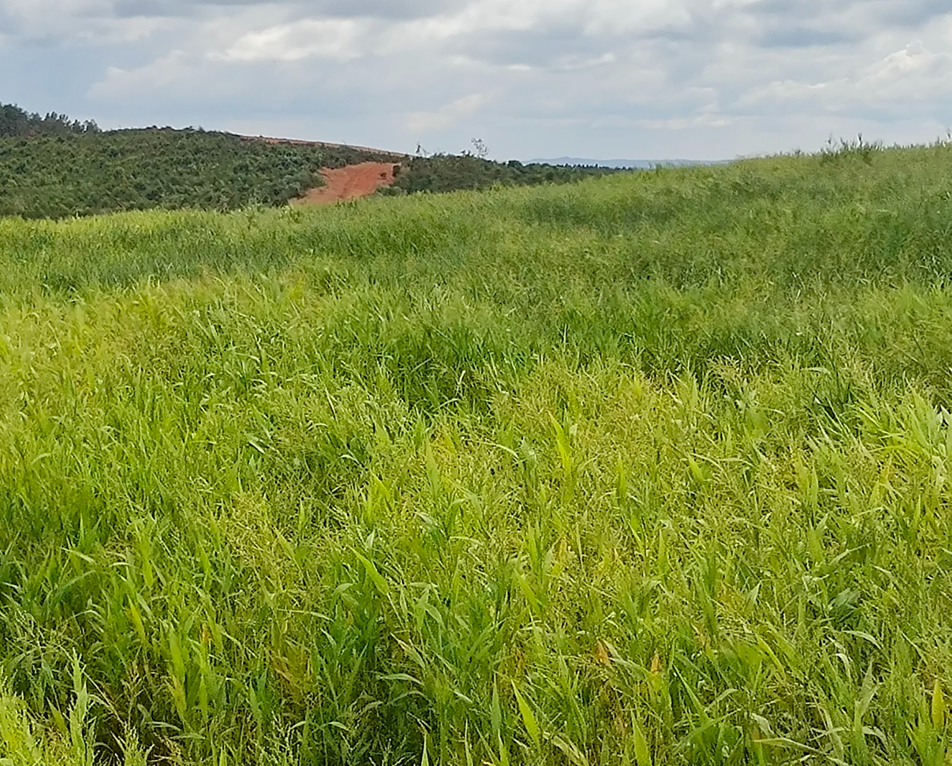
Managed fields, where birds are planted and cover is maintained, are great for building early confidence. Here at High Rock, our 330 acres of Piedmont terrain offer a mix of open fields, woods, and rolling hills for quail, pheasant, and chukar work. You can check out hunting opportunities at highrockpreserve.com/hunting-shooting.
Ready to put your training into practice? Reserve your hunt or learn more about our dog-friendly upland fields at High Rock Preserve. We’d love to see you and your bird dog in action.
What To Bring Before A Preserve Hunt
If you want your upland hunt to go smoothly, start by checking your essentials. You’ll need a valid North Carolina hunting license if you’re 16 or older, and you can get one online through the Go Outdoors NC portal.
Bring a signed Release of Liability Form if you’re heading out with us at High Rock. Pack water and a collapsible bowl for your dog, plus first aid basics for both you and your dog.
If your dog is used to an e-collar, bring it along. Wear a bird vest or hunting vest with a game bag, and make sure you have the right blaze orange—check current NC regulations before you leave.
Arriving prepared helps you and your dog relax and focus on the hunt.
Frequently Asked Questions
How do I start training a young puppy for upland hunting?
Start socializing your puppy at about 8 weeks old. Work on simple routines, then add short obedience sessions by the time your pup is 10 to 12 weeks.
Focus on building trust and teaching basic commands like come, sit, and whoa. Wait until your dog is calm and connected with you before introducing birds.
What is a good weekly training schedule for a hunting dog?
Short daily sessions of 10 to 15 minutes work best. Mix up obedience drills, retrieval games, and some field time through the week.
Consistency is more important than doing long sessions. Young dogs also need rest days to process what they’ve learned.
How much does professional training typically cost?
Professional gun dog training can range from a few hundred dollars for short intro sessions to several thousand for a full board-and-train season. Prices depend on the trainer, program length, and location.
Always ask for a clear breakdown of what’s included before signing up.
Is it difficult to train a dog to point and hold steady?
Pointing comes naturally for many breeds, but teaching a dog to hold steady on point takes patience and practice. Start with strong obedience before adding any bird work.
Steadiness drills need to be repeated often before your dog is ready for live birds in the field.
What basic supplies and equipment do I need to begin?
Start with a 20 to 30-foot check cord, a flat collar, a whistle, bird wings or a bumper, and some high-value treats. As your dog progresses, you might add an e-collar, a training vest, and access to planted birds.
The right gear keeps training simple and lets you focus on your dog’s progress.
If you want to learn more or see these tips in action, come visit us at High Rock Preserve. We’re always glad to help folks get started the right way.
Where can I find a reputable trainer or training grounds nearby?
We all want a trainer who knows dogs and understands how to bring out their best. The best way to find one is to ask local hunting clubs, breed associations, or your veterinarian for recommendations.
A good trainer will want to meet your dog before starting and will be happy to explain their training methods. This helps us make sure our dogs are in good hands.
If you’re looking for real-bird field practice in the NC Piedmont, we allow guests to bring their own dogs to hunt across 330 acres of managed upland cover here at High Rock Preserve.
To set up a visit or ask questions, call or text 866-999-0930, or book your spot at highrockpreserve.com/reservations-availability.
Reserve Your Presence in the Preserve
Join us at the preserve and step into the fields to lose yourself in the perfect scene of adventure, relaxation, and lasting memories.
Book Your High Rock Upland Escape
