%201.png)

%201.png)




Chukar Hunting Preserve: Where To Go For The Ultimate Hunt
You’re after a real upland challenge, but you also want the hunt to feel like a weekend escape. A chukar hunting preserve gives you both. Strong-flying birds, open fields, and well-managed cover create conditions where every flush feels earned and every shot demands focus. Whether you prefer the support of a guide or the freedom of a self-guided outing, a good preserve gives you room to hunt with confidence and enjoy the day from the first step to the last.
At a place like High Rock Preserve, rolling hills and thoughtfully groomed terrain set the stage for honest, sporting chukar action. Guides help you settle in, read the land, and track how the birds are moving. Self-guided hunters get the same quality habitat with the space to work their dogs and set their own pace. Picture a cold, bright morning, a dog locked on point, and a covey erupting just ahead on land that is cared for year-round with upland hunting in mind.
This guide walks through planning your trip, choosing gear, preparing your dog, staying safe, understanding timing, and practicing conservation so you walk out of the field sharper, more confident, and already thinking about your next hunt.
Chukar Hunting Preserves
A chukar hunting preserve is private land set up to raise and support chukar partridge for sporting hunts. These places blend habitat management, trained dogs, and planned hunts so you get reliable, fast-flying birds and a more controlled experience.
Chukar preserves popped up in the early 1900s when hunters wanted more reliable upland action. Landowners brought in chukar—a tough, rock-hopping partridge—to create a mountain-style hunt in spots without native birds. Over time, managers figured out how to balance bird releases and habitat so you get real, honest-to-goodness wing-shooting without overwhelming the local ecosystem.
Now, preserves mix old-school tricks with modern wildlife science. Managers plant cover crops, build brushy edges, and time bird releases by season. The better ones focus on conservation, dog training, and hunter education—so you get a fair challenge and the land stays healthy.
What’s The Difference Between Preserves and Public Lands?
Preserves offer controlled conditions; public lands, not so much. On a preserve, you get groomed fields, planted cover, scheduled bird releases, and the option for a guide. That means more birds, predictable flight paths, and less wandering around looking for action.
Public lands might have wild populations but also unpredictable access, up-and-down bird numbers, and stricter bag limits. You could end up hiking for hours before finding a covey. Preserves usually have perks—parking, blinds, lodges—so you spend more time hunting and less time figuring out logistics.
Legal Requirements for Preserves
You’ve got to follow state hunting laws even on private preserves. Most states want a basic hunting license if you’re 16 or older, and some require a special preserve permit. There are usually rules about recordkeeping, bird health checks, and how many birds can be released.
Operators need land-use permits, business licenses, and insurance. Hunters must stick to preserve-specific safety rules, sign waivers, and carry any needed tags. Always double-check your local regulations before booking—a little paperwork now saves a lot of headaches later.
Planning Your First Chukar Hunt
You’ll want to pick the right preserve, book smart, and get your body ready so the day’s fun, not frustrating. Terrain, rules, timing, and a bit of fitness go a long way.
How to Choose the Right Preserve
Scout out preserves with rolling hills, open fields, and managed habitat for strong-flying birds. Find out if they offer guided or self-guided hunts and if you can bring your own dog. If you’re new, a guide is gold—they’ll read the birds, put you in the right spot, and help you avoid rookie mistakes.
Size and bird density matter. Bigger, well-managed grounds usually mean better odds and more realistic flights. If you’re eyeing High Rock Preserve, check their guided hunts, lodge options, and conservation efforts.
Check access rules: licenses, allowed firearms, and any safety briefings. Read some recent reviews or just call and ask about the terrain, parking, and how much walking you’ll do.
Booking and Reservation Tips
Book early, especially for weekends and fall. Good preserves fill up quick when the weather’s nice. Ask about group rates, private land rental, or combo packages if you’re bringing friends or a dog-in-training.
Nail down what’s included: birds per person, guide ratio, dog handling, and whether shells or dogs are provided. Get a written confirmation with arrival time, cancellation policy, and any forms you need to sign. Bring your license and any required waivers.
Plan to arrive at dawn or late morning—depends on the preserve’s schedule. Pack layers, extra water, and snacks. If you need to stay overnight, book a room early and ask about meals or local food spots.
Preparing Physically (Time to Stretch!)
Chukar hunts mean hiking uneven ground and quick bursts. Take some short hikes on rolling terrain before your trip to build ankle strength and stamina. Try 20–40 minute walks with a light pack to mimic field conditions.
Stretch calves, hamstrings, and hips before and after you hunt. Warm up with ankle circles, lunges, and leg swings. Hydrate the day before and bring plenty of water; chukar fields can be sunny and exposed.
If you’ll carry gear, pack it up and walk a few times to break it in. Work your shoulders and core with basics: planks, squats, and light shoulder presses. A little prep keeps you focused on the birds—and laughing at the dogs—instead of limping back to the truck.
Gear Up for Success
Get the right gear, dress for rough fields, and pick a shotgun that matches the birds and the ground. Prioritize safety and comfort—gear that lets you move, not just look good.
Must-Have Equipment
Bring a shell belt or vest that holds 25–50 rounds so you’re not digging around when the action heats up. Ear and eye protection is a must—soft foam plugs and ANSI-rated glasses keep you safe from noise and flying grit. Toss a small first-aid kit in your bag: bandages, antiseptic wipes, blister tape.
A sharp folding knife or game shears help with quick field dressing. Use a game bag or mesh vest to keep birds ventilated. Water, high-energy snacks, sunscreen, and a charged phone with offline maps are all smart. Hunting with dogs? Bring extra leashes, booties, and a basic dog first-aid kit.
Appropriate Attire (Fashion and Function)
Wear a breathable shell and a midweight layer; mornings start cold and midday can get warm. Go for camo or earth tones—olive, brown, wheat—so you blend in with the hills.
Pick sturdy boots with ankle support and decent tread. Wool or synthetic socks help with moisture. A hat for sun or rain and thin leather shooting gloves (so you can still feel your shotgun) are good calls. Skip anything bright or noisy—chukars aren’t fans.
Selecting the Right Shotgun
For chukar, a 12- or 20-gauge over-and-under or semi-auto with 26–28 inch barrels works best for quick mounting and balance. Improved-cylinder or modified chokes give you a wider pattern for those fast, twisting birds at 25–40 yards. Stick with 1–1/8 to 1–1/4 ounce loads of #6–#7.5 shot for clean kills.
Make sure the shotgun fits—length of pull and cheek weld matter if you want to mount and shoot fast. Test your gun on clays before the hunt to check pattern and comfort. Keep a gun sock handy and clean the bore at the end of the day. Your gun will thank you.
Book your next hunt at High Rock Preserve if you want to try these setups on real upland ground.
Understanding Chukar Behavior
Chukar stick to small flocks, love rocky slopes and open fields, and react fast to people and dogs. Knowing their favorite spots, daily routines, and body language helps you hunt smarter and stay safe.
Chukar Habitat Preferences
Chukar like dry, rocky terrain with short grass and scattered shrubs. Look for steep draws, talus slopes, and ledges—they hide and roost there. At dawn and dusk, they feed in open fields, then move upslope when the sun heats up.
Water’s a magnet. Even tiny seeps or puddles pull birds in, especially when it’s hot. On managed land like High Rock Preserve, you’ll find them near brushy field edges and fence lines for quick cover. Watch the wind—chukar often feed downwind of cover to spot predators early.
Identifying Chukar Patterns
Chukar keep a daily rhythm: leave rocky roosts at first light, feed in flats, then head back to shaded slopes by mid-morning. They lay low midday; late afternoon, they feed again before roosting. Edges of feeding fields at sunrise or late afternoon are your best bet.
As seasons shift, so do the birds. After nesting, hens stick closer to thick cover. In dry spells, check near water. Watch for repeated flight lines between roosts and feeding spots—those make great ambush points for you and your dog.
Reading Chukar Body Language (They Have Feelings Too!)
Chukar posture gives away their mood. Upright, alert birds with cocked heads are nervous—expect a flush soon. Feeding birds with heads down feel safer but will bolt if spooked. Quick, rolling wing beats mean a low, hard flush; a high, noisy burst is pure panic.
Listen for sharp, single-note whistles—they’re sounding the alarm or warning of a flush. The soft, low “chuk-chuk” is flock talk and calm movement. If a bird freezes and crouches, give it space; you probably spooked the group and a flush is coming.
Hunting Techniques and Strategies
You’ll want smart movement, clear communication, and a good read of the land. Use steady pacing, watch wind and light, and position dogs or partners where birds are likely to sit or flush.
Solo vs Group Hunting
Hunting solo means you set the pace. Move quietly along ridges and edges, glass for coveys, and work short, careful pushes. Carry extra water and a basic first-aid kit. Without a dog, stick to open slopes and sharp angles where birds are easier to spot and flush.
Group hunting covers more ground. Assign lanes so no one crosses shooting lines. Let one leader call angles and stop the group for birds to rise. Dog handlers and shooters should know their roles. Walk steady and slow; chukar love sudden bursts, so a calm, steady push works best.
Best Practices for Flushing Chukar
Getting birds up takes timing and a light touch. Approach along contours that push birds downhill into open cover. Pause often—if you rush, birds scatter into nasty ground where you’ll never get a shot.
Use a short, controlled sweep instead of charging through. If you’ve got a dog, train for steady points and close quartering so you don’t get a flush at your feet. When birds rise, step off the brush and angle slightly downhill for a clear shot.
Handling Challenging Terrain
Chukar live in places that make you question your life choices. Wear boots with real ankle support and grip for loose rock and sage. Take short steps on steep slopes and test each foot before you put weight on it.
Plan routes to avoid cliffs and deep gullies. Use ridges for views and take switchbacks on the way down. Pack a small rope and gloves if you’re tackling brushy climbs. Keep your pack balanced—top-heavy packs make you wobble on uneven ground.
Calling and Communication
Keep calls simple and spaced out. A short, sharp chuckle mimics chukar contact—don’t overdo it. One good call every few minutes can pull in curious birds without spooking them.
In a group, use hand signals and quiet phrases to mark direction and bird location. Agree on three signals before you start: stop, push, and hold. If you use whistles, stick to one or two notes so everyone knows it’s a bird, not a panic alarm. High Rock Preserve suggests practicing these signals on quiet trails before you bring dogs or guests into the real stuff.
Working With Hunting Dogs
Training, breed choice, and safety keep your dog sharp and happy in the field. Focus on steady temperament, reliable bird work, and basic first-aid and gear for the best days in the uplands.
Best Dog Breeds for Chukar
Pick breeds that point, flush, and retrieve with stamina. English Setters and Gordon Setters have soft mouths and can scent birds from a distance, which really helps in hilly cover. They hold point well and don’t blow birds out before you’re ready.
Wirehaired and smooth-coat Vizslas stick close, mark downed birds, and handle steep terrain with real athleticism. German Shorthaired Pointers move through brushy ground and don’t get tangled up as much. Brittanys are great in tight cover and quick-turn bird work if you want a smaller, energetic hunter.
Match breed to your terrain and your pace. On steep, rocky slopes, look for dogs with tough pads and shorter coats. For wide-open fields, go with dogs that range farther and can pick up the wind.
Training Tips for Upland Dogs
Start with steady basics: sit, stay, recall, and a solid heel even with distractions. Practice quartering drills and blinds so your dog learns to search in lines and mark where birds fall.
Expose your dog to live birds early and often. Use planted chukars and quail to teach point and flush response. Keep sessions short and positive, using rewards to keep frustration low.
Work on steadiness to wing and shot. Start with recorded gunfire at a distance, then pair it with successful retrieves so your dog learns to link sound with reward. Mix in blind retrieves and long marks to build nose work and confidence.
Simulate hunts when you can—combine handler direction, marking, and blind work so your dog gets used to the chaos of a real preserve.
Dog Safety in Preserves
Carry a dog-sized first-aid kit: bandages, styptic powder, wound cleaner, tweezers for ticks and burrs. Check paws at every break for cuts, thorns, or stones, and treat hot spots early.
Bring fresh water and a collapsible bowl. Rest your dog on hot days and watch for heavy panting, pale gums, or wobbling. Use cooling vests or shade breaks when it’s really warm.
Use GPS collars or bright blaze vests in thick cover so you can spot your dog quickly. Keep up with vaccinations, tick/flea control, and heartworm meds. Stick to preserve rules and leash zones to protect wildlife and other hunters.
Book your next hunt at High Rock Preserve and bring a dog you trust.
Safety Tips and Preserve Etiquette
Three things matter most: handle firearms carefully, wear bright gear so others spot you, and show courtesy to fellow hunters. Stick to these and everyone gets home safe.
Firearm Safety
Treat every gun as loaded. Keep the muzzle pointed safely, and don’t touch the trigger until you’re ready to shoot. Before moving, unload your gun, open the action, and carry it safely.
Know your target and what’s beyond it. Chukar fields can be unpredictable—verify the bird and the backdrop before you fire. Use the right choke and shot size to cut down on stray pellets.
Store and transport guns in locked cases or with actions open when you’re off the stand. If you’re hunting with a guide or on leased land, follow their rules for safe zones, shot limits, and when to carry or shoulder your firearm.
Hunter Orange—Not Just a Fashion Statement
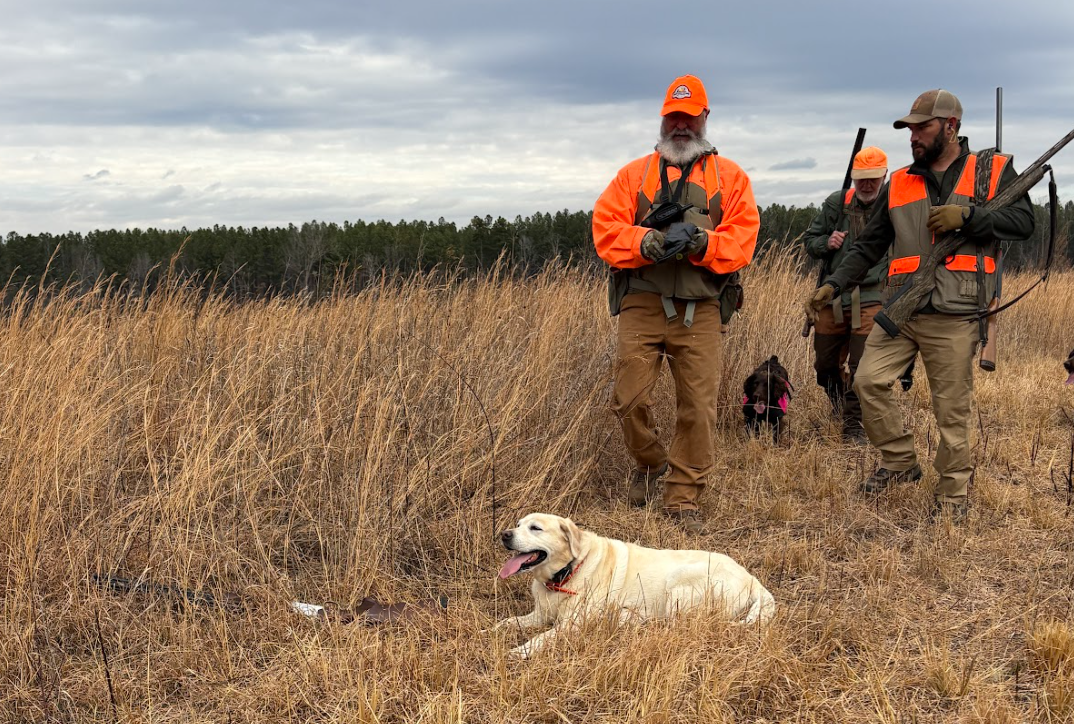
Wear a blaze orange vest and cap during upland seasons that require it. Bright orange makes you visible in tall grass and brush, so dogs, guides, and hunters can spot you.
Put orange high enough to be seen from a distance—on your head or chest, not under a jacket. If visibility is poor, add an orange band or vest on your pack.
Check local rules for required orange percentages and time-of-day limits. Even if it’s not required, orange is a smart move on shared fields—mistaken identity isn’t worth the risk.
Respecting Other Hunters
Keep noise low and movements slow near other hunters. Loud talking, radios, and sudden runs can flush birds early and mess up dog work.
Give other parties their space. Stick to agreed distances on shared preserves and follow lane or field assignments. Don’t wander into another group’s area without permission.
Control your dog and pick up after it. Use leashes or voice commands where required. Sign liability forms, follow check-in, and obey posted rules—these steps keep the day smoother and let everyone enjoy the hunt at High Rock Preserve.
After the Hunt: What’s Next?
You’ve finished the hunt and have a bird in hand, a tired dog at your feet, and a bit of work ahead. Focus on quick, clean field care, tidying gear, and a simple cook that lets chukar shine.
Field Dressing Chukar
Cool the meat quickly. Lay the bird breast-up, pluck loose feathers, and make a small cut at the base of the keel bone. Open the body cavity gently and pull out the entrails in one go. Try not to puncture the crop or intestines to keep the meat clean.
Rinse out the cavity with cold water and pat the bird dry with a clean cloth or paper towel. If you’re not butchering right away, hang it in the shade or put it in a cooler with ice. Label your bag with date and location if you have more than one bird.
Cleaning and Storing Gear
Start with a quick look: check for blood, mud, or feathers on boots, clothes, and dog gear. Brush off dirt, then hose or wipe things down with warm, soapy water. Air-dry boots and gloves away from direct heat to keep them from cracking.
For guns and ammo, safety first—make sure the gun’s unloaded. Wipe metal parts with a lightly oiled cloth to prevent rust. Store cleaned firearms in a locked case. Pack wet clothes and game bags separately to avoid mildew. Replace spent shells and restock your first-aid and field kit before your next outing.
Cooking Your Chukar (Chef’s Kiss!)
Chukar cooks fast and really shines with simple prep. Remove the skin if you want leaner meat. For a basic pan-roast: season with salt, pepper, and a little thyme. Sear breast-side down in butter and oil until golden, then finish in a 375°F oven for 6–8 minutes, depending on size.
You can also braise thighs with onions, carrots, and stock for 20–30 minutes for a tender stew. Serve with a squeeze of lemon or a splash of pan juices over the sliced breast. If you hunted at High Rock Preserve, mention it when you tell the story—people love a good location line.
Choosing the Right Chukar Hunting Season
Pick a season that fits your skill, gear, and appetite for weather. Think about bird flight, field cover, and any events you want to join when planning your trip.
Seasonal Differences in Preserves
Early fall means cooler mornings and thick cover from late-summer growth. Birds hold tight to brushy edges, so you’ll walk shorter lines and rely on dogs to quarter close. Expect steady flushing and strong-flying chukar as daylight cools.
Late fall to winter brings firmer fields and less cover. Birds push into rocky slopes and open ridges. You’ll want longer casts and more patient pointing from your dog. Bring heavier outerwear and shells for colder mornings.
Spring hunts can be productive if preserves stagger releases or manage wild pairs. Vegetation green-up hides birds, so visibility drops but birds are lively. Check preserve stocking schedules to see if you’ll find wild or pen-raised birds.
Weather Considerations
Wind changes everything. Strong winds push chukar into lee slopes and dense brush, tightening your window for a flush. Calm days let dogs quarter farther and produce those classic, fast wing-busts. Bring windproof layers and plan routes to block gusts.
Temperature shapes bird movement. Cold, clear mornings usually mean birds fly right after sunrise. Warm afternoons push birds to shelter, so you’ll get fewer flushes. Dress in layers and bring hand warmers for early starts.
Rain and mud slow you down and hide scent trails. Light rain might keep birds active; heavy rain just shuts things down. Waterproof boots and a dry bag for gear are a must. Check forecasts and shift your hunt toward midmorning if conditions are rough.
Special Events and Competitions
Many preserves run clinics, derby days, and field trials in peak season. These focus on dog work, shot discipline, and timed flushes. If you want competition, look for events with clear rules, entry fees, and class divisions.
Charity shoots and demo days draw a crowd and are a fun way to try guided hunts. Expect more folks and staged release areas. If you want quiet fields, book a weekday self-guided slot instead.
Bringing a novice? Pick an event labeled “beginner-friendly” or a guided hunt. These usually include instruction, shorter lines, and a calmer pace so you and your dog can learn without pressure. High Rock Preserve posts event calendars—check dates before you book.
Sustainable Hunting and Conservation
Sustainable hunting keeps habitat healthy, bird numbers balanced, and future hunts possible. Managers track chukar numbers, support local wildlife programs, and practice low-impact land use to protect soil, plants, and water.
Managing Chukar Populations
Managers count birds with point surveys, brood checks, and harvest data to track survival and reproduction. Early-season point counts record male calls at dawn, brood checks estimate chick survival in summer, and harvest reports show what hunters actually take.
Habitat management matters just as much. Rotating release pens, planting native grasses and forbs, and keeping water sources reliable all raise chick survival and wild behavior. Report birds you see and stick to bag limits and season dates.
Disease monitoring and predator control play a part too. Health checks of released birds, carcass disposal rules, and non-lethal predator management all help. If you hunt at High Rock Preserve, follow on-site rules and report any sick or odd birds you see.
Supporting Local Wildlife Initiatives
Support habitat work through volunteer days, donations, or simple stuff like fixing fence crossings for wildlife. Local projects fund native shrub plantings, restore riparian buffers, and improve nest sites—these really help chukar and other birds.
Look for chances to partner with state agencies and local managers. Joint projects often mean seed mixes for brood cover, water improvements, and invasive plant removal. If you donate or volunteer, ask for funds to go toward seed, fencing, or monitoring—makes the impact real.
Education matters too. Attend habitat workshops, dog clinics, or youth hunts to teach safe, ethical practices. Mentor new hunters to pass on the tradition and keep conservation goals front and center.
Leave No Trace Principles
Pack out what you bring. That means shells, wrappers, and unused bait. Even small trash left behind hurts wildlife and spoils future hunts.
Minimize ground disturbance by using existing trails and temporary blinds. Don’t drive off marked paths, and only park in designated spots to protect soil and plants. If you set up a release pen or blind, take everything down and out when you go.
Respect water and soil. Don’t dump carcasses near streams; use approved disposal sites. Use biodegradable marking tape and skip herbicides unless a pro tells you otherwise. These steps keep habitat and water clean for birds and people.
Your Next Chukar Hunt Starts Here
A great chukar hunt sticks with you: the sound of wings lifting hard from a ridge, the push of your dog cutting through cover, and that mix of effort and excitement that makes the day feel earned. When you choose the right preserve, you get more than just birds in the bag. You get land that is cared for, habitat built for honest upland hunting, and a pace that lets you learn, adjust, and enjoy every mile you put in. At High Rock Preserve, the hills, fields, and habitat corridors are designed so you can hunt with confidence, develop your skill, and make the most of every flush. It’s the kind of place where beginners grow quickly, seasoned hunters stay challenged, and dogs get the kind of work that makes them better each trip.
If you’re planning your next upland weekend, think about what you want most from the hunt: strong-flying birds, honest terrain, time with your dog, or simply a field that feels right at first light. When you find a preserve that delivers all of that and welcomes you back at the end of the day, you’ve found something worth returning to. Book your next hunt, check the season dates, gather your gear, and head for country that rewards good preparation and a steady mindset. Your best chukar days are waiting - you just have to step into the field.
Frequently Asked Questions
Costs, photos, season timing, and whether preserves serve up post-hunt meals—here’s what you want to know before planning a day (or weekend) chasing chukars.
What's the damage to my wallet for chasing chukars all day?
A half-day or full-day hunt usually has a set fee covering field access and stocked birds. Extras like guides, bird dogs, shells, and dog handling will cost more if you need them.
Lodging, meals, and transportation add to the total for overnight stays. High Rock Preserve lists rental and activity options so you can estimate your full trip cost.
Can I get a sneak peek of these fancy chukar preserves? Where's the photo album?
Most preserves keep photo galleries on their websites with shots of fields, birds, dogs, and the lodge. Look for a “Maps & Pics” or “Gallery” page to see real hunting conditions.
Want current shots? Ask for recent photos or short vids before you book. That gives you a real sense of terrain, bird density, and lodging.
Is hunting chukars more of a 'splurge' day or 'save up for a year' affair?
It’s really up to you. Single-day, self-guided visits keep costs moderate. Guided hunts, lodge stays, and private land rentals push it toward a weekend splurge.
Plan based on group size and the services you want. Bringing your own dog and gear saves money; guided packages and catered meals bump up the price.
If I'm bird crazy in North Carolina, where's my best shot for bagging Quail?
Try preserves that really focus on quail habitat and set up hunts just for them. Managed fields, thick cover, and rotating release spots definitely help your chances.
Check what's open each season and ask how things went for hunters in previous years. High Rock Preserve, for example, lists upland hunts for quail, chukar, and pheasant.
When does NC give the green light for pheasant pursuits?
Pheasant season and release schedules shift depending on the preserve and state rules. Most preserves run pheasant hunts in fall and winter, since birds do better in the cold.
Double-check current season dates and permit rules with the preserve before you book. Some places want to see your license or stick to certain release windows.
Do Chukar Banquets come as a bonus after a long day of hunting at these preserves?
Some preserves do offer meals, potlucks, or lodge dining after a hunt, but it’s not a given. Usually, banquets or shared dinners are something you’ll need to request or book ahead of time.
When you make your reservation, ask about on-site meals, kitchen access, or places to eat nearby. Staying at the lodge can make it a lot easier to sort out food after the hunt, too.
Reserve Your Presence in the Preserve
Join us at the preserve and step into the fields to lose yourself in the perfect scene of adventure, relaxation, and lasting memories.
Book Your High Rock Upland Escape
