%201.png)

%201.png)




Bird Dog Friendly Weekend Getaways for Outdoorsy Escapes
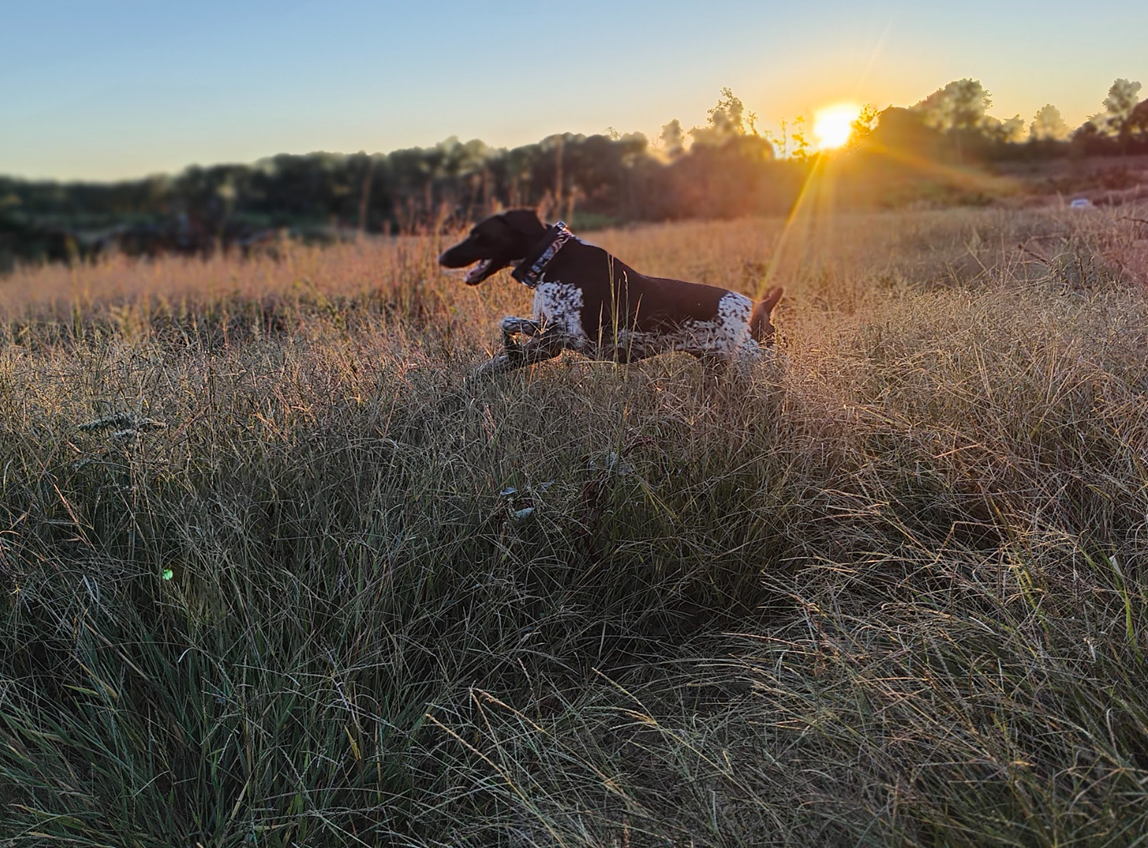
There’s something special about loading up your bird dog before sunrise, coffee steaming in your thermos, and heading out while the world is still quiet. A bird dog friendly weekend getaway gives you the chance to see what your dog can do in real cover, sharpen the bond between you, and come home with stories you’ll be telling for years.
These trips are not just about birds. They are about watching a young dog lock up on point for the first time, hearing the crunch of frost under your boots, and ending the day by a fire with people who understand why you spent years training a dog that still snores in your truck. A good weekend in the field can teach a dog more than months of backyard drills, and it can remind you why you started hunting with dogs in the first place.
At High Rock Preserve, we know how much better a trip feels when the land, birds, and accommodations all work together. With 330 acres of rolling hills, hardwoods, fields, and cover near Lexington, NC, we offer guided and self-guided bird hunts that give hunters and their dogs room to work.
In this guide, we will walk through what you need for a great bird dog friendly weekend, from choosing the right destination and timing your trip to packing smart, keeping nonhunters happy, and leaving the land better than you found it. When you are ready to plan your own weekend in the field, reach out to High Rock Preserve to learn more about our hunting packages and availability.
What Makes A Trip Work For Both Hunter And Dog
A good bird dog weekend takes more than booking a place that says "pets welcome." You want space that fits a working dog, people who understand gundogs, and ground that challenges your dog without burning them out.
Space To Run And Rest
Your dog needs room—actual, honest room. Not just a little fenced patch behind a cabin. Look for properties with big open fields, meadows, or wooded edges where your dog can really stretch out, not just run laps. A cooped-up dog after a long drive, kept leashed all weekend, is a recipe for frustration, and you’ll see it when you hunt.
Rest matters too. After a hard morning, your dog needs a cool, shady spot to flop down and get some water. When you book, ask about kennel setups or covered outdoor spaces. A screened porch, a simple dog run, or even a shaded pen close to the cabin makes recovery easier.
- Try for at least 50–100 acres of accessible hunting ground for a weekend trip.
- Ask if dogs can come inside or if they’re strictly outdoors.
- Make sure fences are solid enough for high-drive pointing breeds.
Places run by hunters usually get this right. If the lodge folks have their own dogs, chances are the setup works.
Dog Policies And Onsite Expectations
Just because a property says it’s pet-friendly doesn’t mean it’s bird dog friendly. A rental that lets little dogs on the couch isn’t the same as a hunting lodge with dog washing stations and field access at dawn. Before you book, get clear answers.
Ask if dogs can work in the field with you or if there are leash rules. Find out if barking is a problem or if there are noise restrictions. Some places want proof of vaccinations or flea/tick treatment—totally reasonable. Any good lodge will tell you up front.
Some spots tack on a nightly dog fee, others include working dogs in the rate. Know before you go so you’re not surprised at checkout.
Terrain That Matches Training Level
A young, green dog fresh off its first season needs different ground than a seasoned three-year-old. Flat, open fields with light cover help a new dog find birds, build confidence, and learn to work the wind. Experienced dogs can handle thicker brush, creek bottoms, and mixed terrain where birds hold tight.
Matching the land to your dog’s level also keeps them safe. Thick briars, rocky slopes, or deep water crossings are tough on a rookie. The best bird dog weekend destinations in the Southeast usually mix managed quail fields, planted strips, and wooded edges so you can pick what fits your dog right now.
Choosing The Right Destination Style
Where you go shapes your whole weekend—the vibe, the birds, the pace, even what your nonhunting friends or family can do. Terrain, bird species, and where you sleep all matter.
Quail And Upland Country
Quail spots are classic for a reason, especially across the Southeast, Texas, and the Plains. Managed preserves and private farms offer controlled ground where your dog can work planted or wild birds in real cover. The rolling pine savannas of North Carolina and Georgia, Oklahoma’s brushy creeks, and the wide CRP fields of Kansas all have their own flavor.
Wild quail are getting scarce in a lot of places, so well-run preserves are gold for training and conditioning. Book a quality preserve and you’ll get steady bird contact—exactly what a dog needs to learn. Some preserves also offer guided hunts if you want help reading the land or just want to see how a pro runs their dogs.
If you want more variety, pheasant country in South Dakota, Nebraska, and Iowa offers longer flushes and birds that really test a dog’s nose. It’s usually a longer drive, but the wild feel is worth it.
Cabins, Lodges, And Farm Stays
Where you stay sets the tone. A hunting lodge means shared meals, early alarms, a dog yard out back, and the smell of coffee and gun oil before dawn. Many Southern and Midwestern lodges have been around for decades, and the staff often know exactly where the birds are hiding.
Farm stays and private cabin rentals give you more solitude and control. You get the land and the quiet, but you set your own pace. These are great for couples or small groups who like to cook their own meals and wander on their own clock.
Before you book any lodge or farm stay, ask:
- Is hunting guided or do you get self-guided access?
- Are dogs allowed inside, or just in kennels?
- Is there a spot to wash and water the dogs?
- Will you be sharing the property with other groups?
Trails, Water Access, And Family Extras
You don’t have to hunt every hour. Trails, rivers, and lakes give your dog a way to unwind and keep nonhunters entertained. Places near national forests, state parks, or rivers are a win for mixed groups.
Water is especially important in warm months. A dog that can splash in a creek or lake after a hunt recovers faster and stays happier. Some Appalachian foothill spots in North Carolina and Tennessee combine trout streams, hiking, and upland access all in one—perfect if not everyone in your crew wants to hunt.
Look for destinations with two or three outdoor options besides hunting. Birdwatching, canoeing, or just wandering with a camera can make the trip feel like a real outdoor escape instead of a single-focus weekend.
Planning Around Season, Weather, And Bird Activity
Timing matters more for bird dog weekends than most trips. The season, the weather, and where the birds are all change from month to month. Get it right and you’ll remember the trip for years.
Early Fall Conditioning Trips
The weeks around opening day are some of the best for working your dog. Birds are in predictable spots, temperatures are mild, and your dog gets a real workout after months of backyard drills.
Early fall is especially good for young dogs in their first or second season. The goal isn’t to fill a limit—it’s to let the dog work, find birds, and build the kind of confidence and nose work you just can’t get at home. Keep sessions short if it’s still warm, and watch for signs of fatigue.
North Carolina’s Piedmont and foothills have some of the best early-season quail and pheasant preserve access in the Southeast. Mornings are crisp by late September, cover is green, and the pace is relaxed—way less hectic than peak season.
Peak Season Field Days
Peak season, usually from mid-November through January, is when everything comes together. Wild birds settle into patterns, dogs hit their stride, and there’s nothing like that cold-morning adrenaline when a covey flushes under your feet.
Book your spot early—good lodges fill up fast, especially on weekends and holidays. Try to get there the night before your first hunt so your dog can settle in.
- Bring boots, a vest, and a reflective collar for your dog.
- If you’re hunting several days, plan at least one rest day.
- Watch your dog’s water intake and check for pad injuries, especially on rough ground.
Peak season is also when the lodge feels most alive. Swapping stories over dinner, talking dogs and birds, is part of what makes it all worthwhile.
Warm Weather Safety Considerations
Some folks run dogs on preserve birds in spring, others do summer conditioning. In hot weather, safety is everything. Dogs overheat fast, especially in humidity, and a hard-charging dog can get into trouble in under an hour.
Stick to early morning or evening sessions when it’s cooler. Carry more water than you think you’ll need, and stop for breaks every 20–30 minutes. If your dog starts panting hard, slowing down, or looking for shade, pull them out right away and let them cool off.
Watch for signs of heat stress: heavy panting, glassy eyes, stumbling, or slowing down. If you see any of these, get your dog water and shade, and don’t push them back out until they’re fully recovered. In hot weather, your dog’s health always comes first.
Packing For Comfort, Safety, And Performance
What you pack can make or break your weekend. Think about your dog’s needs as much as your own.
Gear For The Dog
A working bird dog needs more than a leash and bowl. Start with the basics, then add what you need for the terrain and season.
Item
Purpose
Tracking collar with GPS
Lets you keep tabs on your dog when they’re out of sight
Dog boots
Protects paws on rough or thorny ground
Hunting vest or protective coat
Shields chest and ribs in thick cover
Reflective collar or blaze vest
Makes your dog visible in the field
Portable water bowl and extra water
Keeps your dog hydrated between runs
First aid kit for dogs
For pad cuts, thorns, or eye irritation
Always toss in a spare collar and lead. If your dog takes meds, bring more than you think you’ll need. A small cooler with ice packs is handy for anything that needs to stay cool on the road.
Field Essentials For People
When you’re packing for a bird dog weekend, less is more—unless you count memories and muddy boots. Your field kit should fit what you actually use, not what the catalogs say you need. You’ll be out in the elements, walking miles, sometimes in weather that can’t decide if it’s summer or November. The right gear keeps you moving, not weighed down.
- Blaze orange vest and hat—nobody wants to be invisible out there.
- Lightweight upland boots, with enough ankle support to handle rocky draws and surprise ditches.
- Game bag or vest roomy enough for a day’s take, but not so big it flops around.
- Well-worn gloves for those mornings when the frost bites harder than the birds.
- Small daypack or lumbar pack for water, snacks, and the dog’s odds and ends.
- Ear protection that actually fits and doesn’t fall off when you’re hustling through cover.
If you’re hunting the Southeast or Midwest, expect the weather to turn on you. Early fall and late season can go from bluebird skies to sideways rain in an hour. Toss in a rain shell—nothing fancy, just something that packs down small—and a mid-layer you can peel off or add as needed. Layers beat a single heavy coat every time.
Travel Food, Water, And Cleanup
Dogs burn through calories fast when they’re working, so you’ll want to tweak their feeding routine. Give a bigger portion the night before a long hunt, but skip loading them up right before or after a hard run—a bloated dog is a recipe for worry, especially with deep-chested breeds.
Stick to your dog’s usual food. Trips aren’t the time to experiment with new kibble. Bring enough for the whole stay, plus an extra day’s worth in case you end up chasing birds longer than planned.
For cleanup, I always toss in unscented baby wipes, a travel bottle of dog shampoo, a towel, and a hose attachment that fits a regular spigot. After a day in the brush, most dogs come back with half the field stuck to their bellies—ticks, burrs, mud, and (if you’re unlucky) a whiff of skunk. A quick rinse and comb-out before heading inside keeps the mess down and makes tick checks less of a chore.
Making The Weekend Enjoyable For Mixed Groups
Let’s face it—not everyone dreams of sunrise in a cold field. And that’s fine. The best weekends have room for everyone to do their thing, whether that’s chasing birds or sleeping in.
Options For Nonhunting Companions
Pick a spot where there’s more to do than just hunt. It’s a lot easier to keep the peace if nonhunters have their own adventures lined up. Towns tucked near good bird country—think North Carolina, Tennessee, or the Carolinas—usually have solid food, breweries, antiques, or quirky art scenes. Sometimes you’ll stumble into a festival or a farmer’s market, and that’s half the fun.
Some folks just like to watch the dogs work. Let them tag along at the edge of the field or from a truck window. There’s something quietly moving about watching a dog lock up on point, even if you’re not carrying a gun. Hand out a pair of binoculars and let people soak it in from a safe spot.
Kid Friendly Outdoor Activities
Kids and bird dogs go together like marshmallows and campfires. Most little ones care more about the dogs than the hunt itself, and honestly, that’s a great way to get them hooked on the outdoors. Let them help out with feeding, filling water bowls, or tracking the dog’s GPS collar.
If you can, pick a spot near water—creeks, ponds, or lakes make for hours of skipping rocks, fishing, or just poking around the shore. Short hikes, wildlife spotting, and campfire cooking keep kids engaged without making them stick to a strict schedule. Those early, easy experiences plant seeds for a lifelong love of wild places.
Balancing Downtime With Field Time
Let’s be real—two full days in the field will wear out most dogs and most people. I like to plan one long session and one shorter one, with a good break in between. Give the dogs and the people time to rest, let the nonhunters do their thing, and everyone ends up happier (and less sore) by Sunday.
Evenings are when the magic happens anyway. Sitting by the fire, swapping stories, handing out treats to tired dogs—that’s where traditions take root. Most of my favorite memories aren’t of the birds we brought home, but of the laughter and quiet talks after the boots came off.
Respecting Land, Wildlife, And Local Traditions
How you act in the field says more about you than your shooting. Every step you take is on land someone trusts you with, and that’s not something to take lightly.
Ethical Handling In The Field
Good dog work starts with control. If your dog’s running wild, breaking point, or ignoring you, it’s not just frustrating—it’s risky. If they’re not ready, spend more time training before the trip. The field isn’t the place to hope things magically click.
Only shoot what you’ll use, and know the rules before you show up. Keep your license and permits handy, know bag limits, and give wildlife a fair shot. Sometimes the best part of a hunt is watching a wild bird flush and disappear—there’s no shame in letting it go. Working with dogs and wild birds is about restraint and respect, not just numbers.
Leave No Trace At Camp And Cabin
Your responsibility doesn’t end at the field’s edge. Clean up after your dog everywhere—at the cabin, the lodge, the campsite. Bring bags, toss out waste properly, and rinse down spots where the dog ate or slept. Leave the place better than you found it.
Out in the field, pick up your hulls, close gates, avoid tearing up fences, and stick to marked paths. If the landowner has rules about driving or walking certain areas, follow them, no questions asked. Land access exists because hunters have been good guests—don’t be the one who ruins it for everyone else.
Supporting Conservation Mindsets
Bird hunting and dog culture run deep in conservation. The open fields and wild birds we chase exist because hunters before us cared enough to protect them. Buying a Federal Duck Stamp, supporting Quail Forever, or pitching in with your state’s habitat programs puts real dollars back into the land.
Places like High Rock Preserve don’t happen by accident. They’re managed year after year so birds and hunters both have a future. That’s the kind of stewardship worth backing.
Talk with kids about why habitat matters. Show them native bunch grass, explain why hedgerows matter, and point out how today’s choices shape tomorrow’s fields. Conservation isn’t just a word—it’s a tradition, and these weekends are the best way to pass it on.
Frequently Asked Questions
What are the best dog-friendly weekend destinations in the Midwest for couples?
Kansas, South Dakota, and Nebraska are tough to beat for couples who want to blend bird dog time with a laid-back weekend. Wide-open Kansas Flint Hills and South Dakota prairies give dogs room to roam, and nearby small towns offer cozy lodging, local eats, and plenty of character. Many places cater to couples and small groups—think private cabins, flexible field access, guided or DIY options.
Which weekend getaways near Indiana offer dog-friendly lodging and outdoor activities?
Southern Indiana and the Shawnee National Forest (just across the border in Illinois) make great weekend escapes. You’ll find dog-friendly cabins, easy trail access, and upland hunting land a short drive from home. Brown County State Park is famous for fall color and hiking, and plenty of places there welcome dogs. If you’re after hunting, check out preserves in central Indiana and eastern Illinois—they often have kennel-equipped lodging and good bird access.
What are the top dog-friendly weekend trips near New York City that include parks or trails?
Try the Catskills, Delaware River Valley, or Hudson Valley—all within two or three hours of NYC. Delaware State Forest in Pennsylvania and New York’s Sullivan County have pet-friendly cabins with trails and open fields. For bird dog work, pheasant and chukar preserves in Pennsylvania’s Poconos are popular with city folks looking for a fall escape.
Which Florida destinations are best for a dog-friendly weekend with beaches or nature preserves?
Head to Apalachicola and the Panhandle for the best mix of wild bird habitat, nature, and dog-friendly beaches. The Apalachicola National Forest gives you miles of open range and quail cover, while the coast—Grayton Beach, St. George Island—offers dog-welcoming sand and surf. You can run dogs in the field in the morning and relax on the beach by afternoon.
What should I pack and plan for a weekend trip with a dog to ensure a smooth stay?
Bring your dog’s regular food, a portable water bowl, first aid kit, flea and tick meds, vaccination records, and any daily meds. For working dogs, add a GPS collar, protective vest, boots, and a cleaning kit for post-field rinses and tick checks. Double-check dog policies with your lodging, give your dog rest between field sessions, and adjust feeding for how hard they’re working. A little planning goes a long way toward a smooth, memorable trip.
How can I find dog-friendly cabins, hotels, or rentals with nearby off-leash areas for a weekend trip?
Start by digging into hunting lodge directories, preserve booking platforms, and rural vacation rental sites—especially those that let you filter by pet or working dog policies. Don’t just trust the generic “pet-friendly” labels you’ll find on big travel sites; they rarely tell the whole story. Honestly, I’ve found that picking up the phone and talking to the folks at the property is a game-changer. Ask about kennel space, field access, and their real stance on dogs. You’ll get the kind of details no website can promise. If you’re planning a hunting trip, focus on places that call themselves upland hunting operations—those spots are made for folks like us and our dogs, not just for vacationers looking for a cute cabin.
Reserve Your Presence in the Preserve
Join us at the preserve and step into the fields to lose yourself in the perfect scene of adventure, relaxation, and lasting memories.
Book Your High Rock Upland Escape
