%201.png)

%201.png)




Pheasant Hunting Preserve: What to Expect and How to Make the Most of the Hunt
A good pheasant hunt starts long before the first bird flushes. It begins with carefully managed habitat, birds that behave naturally, and a place that respects dogs, hunters, and the land itself. A pheasant hunting preserve brings those pieces together, offering controlled fields, guided or self-guided hunts, and the chance to focus on skill and dog work without the uncertainty of unmanaged ground.
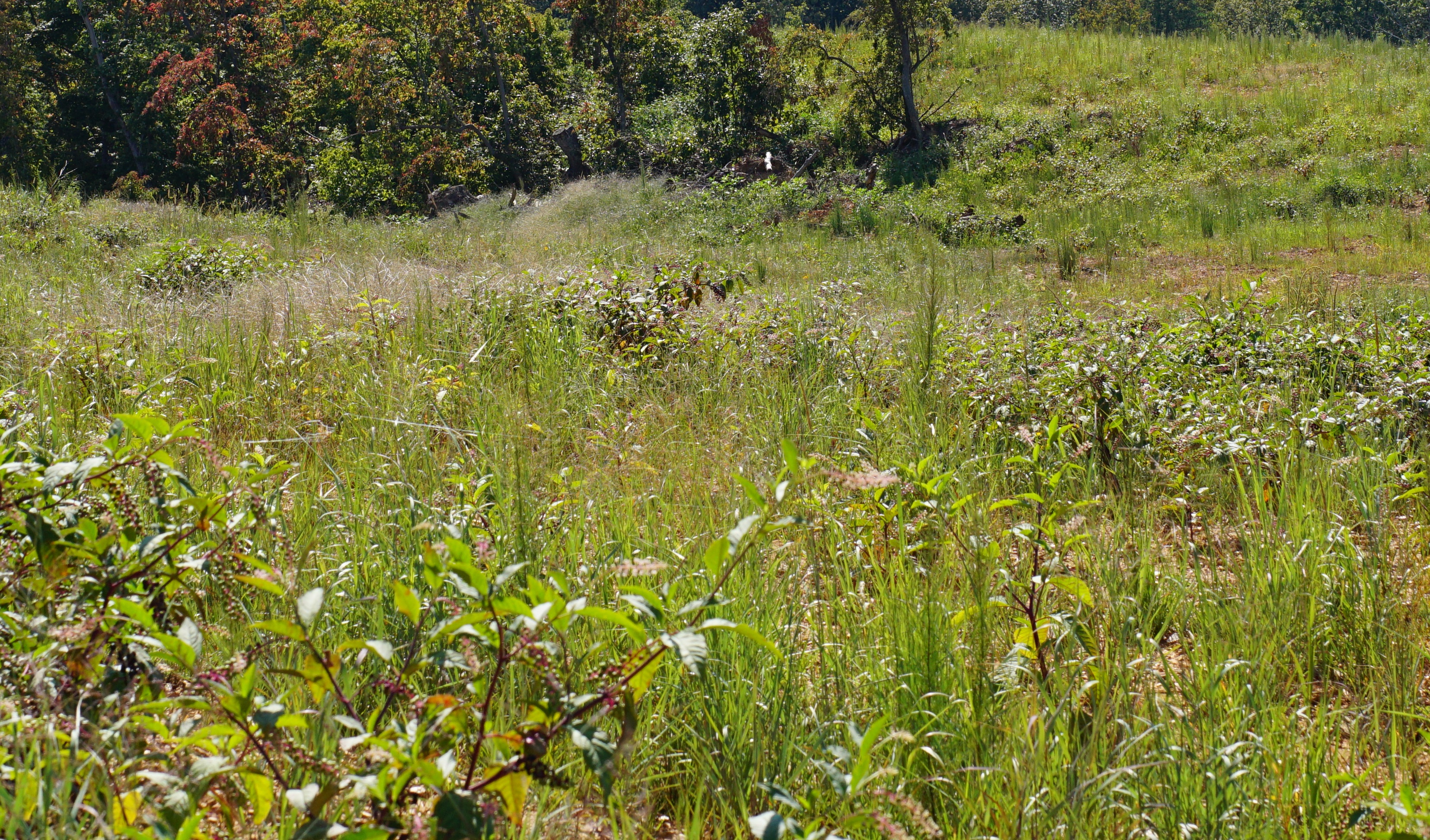
Picture crisp morning light settling over rolling fields, the sound of boots moving through cover, and a dog working methodically ahead. When habitat is laid out with intention and hunting pressure is managed thoughtfully, pheasant hunts feel steady and rewarding rather than rushed or staged.
At High Rock Preserve, we build pheasant hunts around that philosophy. Fields are designed for walking hunts, cover is rotated through the season, and the experience extends beyond the field with trails, gathering spaces, and rustic lodging that invite you to slow down and stay awhile.
This guide walks through how pheasant hunting preserves operate, what to bring, how to prepare dogs and gear, and what to look for when choosing the right place for your next hunt. Because the best days afield come from good planning, honest land management, and respect for everything that lives there.
Pheasant Hunting Preserves
A pheasant hunting preserve is a managed place where people come to hunt ring-necked pheasants in controlled fields. You’ll find planted cover, managed habitat, and staff who care for the birds and the land to make hunts reliable and safe.
A hunting preserve raises or holds wild pheasants in private fields set up for upland sport. You’ll see planted crops, wheat and millet strips, and brushy edges to give birds cover and flight space. Birds may be released to create steady flushing and challenging shots.
Preserves usually offer guided or self-guided hunts, dog support, and gear rentals. You pay a day fee or grab a package—no need to worry about public season rules. Staff take care of bird management, field layout, and safety so you can focus on the sport, your dog, and, well, good stories.
How Preserves Differ from Public Lands
Public land hunts follow state seasons, bag limits, and often uncertain bird numbers. On a preserve, you pay for access to managed habitat and predictable bird flights. That means more consistent action and a day planned around your schedule, not the whims of weather or public pressure.
Preserves control stocking, habitat, and safety measures, so hunts run with guides, marked fields, and limited party sizes. You still need the proper hunting license and to follow local laws, but the experience leans toward recreation and training rather than strictly wild harvest.
Pheasant Hunting Preserves: Over Time
Pheasant preserves came out of game management and sport shooting in the 19th and 20th centuries. Landowners and clubs managed fields and released birds to create steady shooting for members and guests. Over time, they started adding conservation practices to keep habitats healthy.
Modern preserves blend tradition with stewardship. They manage cover, nesting habitat, and predator control while teaching ethical hunting. Places like High Rock Preserve mix that heritage with guided services, lodging, and trails, so your visit feels like a real outdoor weekend.
What You’ll Get At A Pheasant Hunting Preserve
A pheasant hunting preserve manages birds, land, and access so hunts stay safe, fair, and sustainable. When it is done right, you get strong bird behavior, clear expectations, and fields that stay productive across the season. Differences between preserves usually come down to how birds are managed, how rules are enforced, and how much care goes into the land itself.
Stocked vs. Wild Birds
Stocked preserves release pen-raised pheasants into managed fields ahead of scheduled hunts. These birds are typically larger and accustomed to human presence, which can lead to quicker flushes and lower, faster flights. Hunts often focus near release areas and reward fast reactions and solid shooting fundamentals.
Wild-bird focused preserves rely on habitat quality, food sources, and breeding conditions to support natural populations. These birds know the ground, hold tighter to cover, and flush harder. Hunting pressure, seasons, and bag limits are usually more conservative to protect long-term populations.
Some preserves take a blended approach. Birds may be released strategically to supplement hunting opportunities while habitat work, cover rotation, and predator management support more natural behavior. If you are booking a hunt, it helps to ask how birds are acclimated, how long they have been on the ground, and what kind of flight patterns you should expect.
Typical Preserve Rules
Preserve rules exist to protect people, dogs, birds, and the land. Most places set clear guidelines for firearms, shot size, hunting hours, and where vehicles are allowed. You will need a valid state hunting license, and many preserves require additional permits or waivers.
Dog policies are equally important. Vaccinations, basic obedience, and handler control are often required. Leash zones near lodges, designated retrieving areas, and off-trail restrictions help prevent injuries and reduce stress on wildlife. During guided hunts, following instructions keeps the group safe and the hunt running smoothly.
Safety rules often include blaze orange requirements, no alcohol during hunts, and clearly defined shooting lanes. Ignoring preserve rules can mean fines or loss of access, so it pays to understand expectations before you arrive.
How We Approach Pheasant Hunting
At High Rock Preserve, we approach pheasant hunting as part of a larger outdoor experience, not just a scheduled shoot. Birds are managed with an emphasis on strong flight and natural behavior, and fields are laid out for walking hunts that reward dog work and thoughtful movement.
We control hunting pressure through field rotation and scheduling so cover stays productive and birds are not overworked. Safety protocols are built around foot traffic and dogs, with clear field flow and check-in procedures that keep hunts organized without feeling rigid.
Beyond the hunt itself, we design the land to support time outdoors before and after you step into the field. Trails, gathering spaces, and rustic lodging allow hunters to slow down, stay present, and enjoy the full rhythm of the day. Whether you are here for a single hunt or a longer stay, the focus stays on respect for the land, the birds, and the people sharing the experience.
Planning Your Trip to a Pheasant Hunting Preserve
Pack practical gear, plan your date and guide, and pick a season that matches your skill and comfort. Bring safety gear, proper clothes, and licensing; reserve a guided hunt early if you want coaching or dogs; choose late fall or early winter for peak pheasant flight.
What to Bring (Besides Your Lucky Socks)
Bring a shotgun you know — 12- or 20-gauge is common — with two to three chokes and at least 25 shells. Pack ear protection, eye protection, and a hard case for transport.
Wear layered clothing: a quiet outer shell, wool or synthetic mid-layer, and sturdy boots. Blaze orange isn’t always required for upland fields, but check the preserve’s rules and wear it if requested.
Bring a hunting license and any required stamps or tags. Carry a small first-aid kit, water bottle, snacks, and a knife. If you plan to have a dog, bring a well-trained dog vest, leash, and fresh water bowl. Consider binoculars, a vest with bird bags, and zip-lock bags for shells and waste.
Booking a Guided Hunt
Book at least 2–4 weeks ahead for weekends and holidays; prime days fill fast. Ask whether the guide provides dogs, shotguns, ammunition, and field assistance so you know what to bring.
Confirm group size limits, meet-up time, and access directions. Get a clear cancellation and weather policy—many preserves offer same-day rain plans or reschedules.
Ask the guide about pace and terrain. Tell them if you’re a beginner, want a dog-handling lesson, or need lodging. If you hunt with children or a novice, request a guide who specializes in first-time hunters. Reserve lodge space or nearby lodging early if you plan to stay overnight.
Choosing the Right Time of Year
Pheasants fly strongest in cool, calm weather. Late fall through early winter—after crops come down and before deep snow—gives the best visibility and bird movement. Mornings are colder but often more productive; midday can slow as birds tuck into cover.
Avoid peak hunting pressure holidays if you want quieter fields and less competition. Check local migration patterns and preserve flight reports; managers often track when hens move and roosters peak.
If you prefer easier walking and warmer weather, consider early season when fields are drier and birds are less wary. For a tougher, truer sporting challenge, pick colder months when birds fly higher and flush quicker.
Hunting Techniques at Preserves
You’ll learn how to work with dogs, pick the right shotgun and shells, and practice safety that keeps people, dogs, and birds safe. These details help you hunt smarter and enjoy the day more.
Working with Trained Dogs
Start with clear commands: sit, stay, here, and fetch. Use short, consistent cues and reward the dog immediately with praise or a small treat. On a preserve, line work matters—send the dog wide and let it quarter the field in front of you so birds flush away from other hunters, not toward them.
Train for steady point and flush behavior. For flushing breeds, mark-and-retrieve drills help; for pointers, practice holding until you’re ready for the flush. Keep sessions short and energetic. Check the dog’s gear: a snug leather or nylon collar, GPS or locator if you use one, and a light vest for visibility. Hydrate dogs between drives. If you hire a guide at High Rock Preserve, brief the handler on your dog’s strengths and limits before the hunt.
Best Firearms and Ammo for Pheasant
A 12-gauge shotgun is the standard for pheasant hunting; a 20-gauge works if recoil or weight is a concern. Choose a 28–30 inch barrel for a good balance of swing and sighting plane. Use modified or improved-cylinder chokes to allow a dense pattern at 30–50 yards while avoiding over-tight patterns that can blow birds apart.
For ammo, pick 2 3/4” or 3” shells with #4, #5, or #6 shot for pheasant. #4 gives more energy at distance; #6 is kinder on wings at closer range. Use high-quality lead or non-toxic shot where required by law. Pattern your gun at the preserve before the hunt: mount, shoot at 35–40 yards, and adjust choke or aim point so your pattern centers on the point of aim.
Safety Tips (Because Feathered Targets Can Fight Back)
Always point the muzzle in a safe direction and keep your finger off the trigger until you intend to shoot. Wear blaze orange when required and eye and ear protection at all times. Treat every bird as live until it’s plainly dead; approach carefully to avoid stepping on a hidden dog or teammate.
Set clear shooting lanes and a meet-up call for retrieves. Talk about location and movement: say “going left” or “holding” so others know your plan. Carry a small first-aid kit and a phone in a waterproof case. Lastly, follow preserve rules on distances, dog control, and harvest limits—they protect wildlife and make sure everyone gets to hunt another day.
Conservation and Wildlife Management
Let’s talk about how habitat work, supporting local plants and animals, and smart management keep pheasant populations healthy and huntable. These are hands-on steps, with real benefits you’ll notice when you visit.
Habitat Management Practices
Preserves plant dense grass strips, native warm-season grasses, and edge habitats between fields and woods. These areas give birds shelter from wind and predators, plus seeds and insects for chicks.
Managers rotate mowing and disked strips to keep habitat varied, which forces birds to use several blocks across the property. Small ponds and wet ditches stick around to support insects and other food sources.
Predator control and fence placement are used as needed. Staff keep an eye on predators and sometimes limit human access during nesting. That really helps chick survival and bird quality for all types of hunts.
Supporting Local Ecosystems
Good preserves see pheasants as one piece of a bigger puzzle. They restore native plants—clump grasses, wildflowers, legumes—to feed pollinators and the insects pheasant chicks eat. This boosts overall insect life and supports other wildlife like songbirds and deer.
Soil health matters here, too. Controlled burns, careful herbicide use, and occasional tilling help keep invasive plants in check, making it easier for native seeds to thrive.
Healthier habitat means you’ll see more wildlife, your dogs will work better, and trails stay safer. They also limit off-trail traffic and use sign-in systems to cut down on disturbance during breeding season.
Role of Preserves in Pheasant Populations
Preserves act as managed source areas, helping boost wild pheasant numbers nearby. By providing solid brood habitat and protecting nests, they bump up local recruitment—the number of chicks making it to adulthood. That keeps populations huntable without putting pressure on wild areas.
Managers track hen and rooster ratios, chick survival, and other numbers every year. They adjust planting, release timing, and harvest limits based on what they find. Expect clear limits and well-marked shooting boundaries.
High Rock Preserve keeps these practices front and center, balancing quality upland hunts with long-term species health. You get a better field experience, and the land and birds stick around for future seasons.
Common Myths About Pheasant Hunting Preserves
There’s a lot of confusion out there about preserves—how birds behave, what rules apply, and whether it’s all fair. Let’s clear up what actually matters: bird origin, safety clothing, and the real challenge of the hunt.
Preserve Birds vs. Wild Birds: The Great Debate
Some folks say preserve birds are lazy or too easy. That’s not really fair. Good preserves raise birds to fly strong and act wild, so you get a real hunt. They manage habitat and genetics to keep birds fit and wary.
Wild birds survive and breed on their own, while preserve birds are released for specific hunts or training. Both need healthy cover and some predator control. At a well-run spot, you’ll still get fast flushes and tough shots—especially if dogs push birds through thick cover.
Do You Really Have to Wear Blaze Orange?
Yep, most of the time you need blaze orange, but rules depend on your state and the preserve. Usually, anyone 16 or older needs a hunting license and has to follow local orange requirements. Some preserves go above state law for extra safety.
Orange keeps you visible and cuts down on accidents. If you’re not sure, ask about the preserve’s orange policy before you go. Bring a vest or hat, even if the rules seem vague—it’s an easy way to stay safe.
Is It Cheating or Just More Fun?
Calling preserves “cheating” misses the point. Preserves offer steady habitat, released birds, and guides to help you learn. That setup lets new hunters build skills and seasoned hunters practice without long drives or unpredictable weather.
You still face real challenges: reading cover, working with dogs, making quick shots. A good preserve finds the balance between fun and skill while supporting conservation. If you want a tougher hunt, ask about more natural or walk-up hunts—preserves usually have options.
Finding the Right Pheasant Hunting Preserve
Choosing a pheasant hunting preserve is less about checking boxes and more about finding a place where the land, birds, and people are treated with care. The best preserves make the experience feel steady and well paced, whether you are hunting alone, bringing a group, or planning to stay a few nights.
We encourage hunters to look beyond bird counts and focus on how the preserve is run. Thoughtful field layout, clear safety standards, and respect for dogs and wildlife tend to show up in every part of the day.
What to Look for in a Quality Preserve
Strong flying birds and healthy habitat should be the baseline. Well managed preserves rotate fields, maintain cover, and control hunting pressure so birds flush naturally and the ground stays productive through the season.
Guided and self guided options give hunters flexibility. Guided hunts work well for first time hunters or anyone who wants local knowledge and experienced dog handling. Self guided hunts suit hunters who prefer to move at their own pace with dogs they know and trust.
Facilities and safety standards matter more than people expect. Clean staging areas, clear field boundaries, and consistent safety rules keep the focus on the hunt instead of distractions. Dog policies should be clear and practical, with space for handling and rest built into the day.
Conservation should be visible, not just talked about. Ethical bird management, habitat work, and careful land use show whether a preserve is thinking beyond the current season.
Questions Worth Asking Before You Book
Good preserves welcome questions. Ask how birds are managed and what kind of flight behavior to expect. Clear answers about release timing, numbers per hunter, and field rotation show transparency and experience.
Ask how hunts are structured. Guide to hunter ratios, dog handling, and what is included should be spelled out before you arrive. That clarity helps everyone stay comfortable and safe.
Lodging and meals can shape the trip. Ask how close fields are to where you stay, what gathering spaces are available, and how weather or schedule changes are handled. Clear cancellation and rescheduling policies matter when conditions change.
Licensing and safety requirements should be straightforward. A responsible preserve will confirm state license needs, firearm handling procedures, and emergency plans before you ever step into the field.
Why the Right Setting Makes All the Difference
For many hunters, the setting matters as much as the hunt itself. Being able to stay on the land, walk trails, or gather after the hunt turns a few hours in the field into a full outdoor experience.
At High Rock Preserve, we bring those pieces together. Guided and self guided pheasant hunts, room to train and work dogs, scenic trails, and a rustic lodge create a place where hunters and non hunters alike feel welcome. It makes planning easier and allows groups to enjoy the land at their own pace.
When you choose a preserve that balances bird quality, hospitality, and land stewardship, the experience speaks for itself. That is what keeps people coming back season after season.
Frequently Asked Questions
Here are practical answers about gear, dogs, etiquette, and what to expect at a managed upland preserve. Each short answer gives you the basics for a safe, legal, and fun hunt.
Do I need to bring my own fancy feathers to blend in at a pheasant hunt?
Nope. No need for costume feathers or extra camo. Wear solid colors that break up your outline and stay quiet.
Wear orange if the law or preserve says so. Comfortable boots, layers for the weather, and eye/ear protection matter way more than looks.
Is it true pheasants can't resist a good wedding reception at The Oaks?
Pheasants aren’t party crashers. They care about cover, food, and flying—not events.
Keep food, trash, and loud noise away from fields during hunts. High Rock Preserve keeps habitats natural so birds stay wild.
What's the secret handshake for joining the elite pheasant-hunting society?
There’s no secret handshake. Booking a hunt or land rental is straightforward.
Sign releases, show your license, and follow the rules. Be decent to guides and other hunters and you’re in.
Will pheasants hold a grudge if I outsmart them during hunting season?
No grudges here. Pheasants don’t remember hunters—they react to cover, weather, and pressure.
Rotate fields and stick to bag limits to keep birds acting wild. Ethical harvest and honest reporting help conservation.
Can a trusty dog double as a wingman in a pheasant hunt?
Absolutely. If you've got a well-trained flushing or pointing dog, you're already a step ahead in the pheasant fields.
Just remember to bring whatever proof of training the preserve wants, and stick to their dog rules. Make sure your dog stays healthy—bring water, take some breaks, maybe get a checkup at the vet before the season kicks off.
Reserve Your Presence in the Preserve
Join us at the preserve and step into the fields to lose yourself in the perfect scene of adventure, relaxation, and lasting memories.
Book Your High Rock Upland Escape
