%201.png)

%201.png)




Why Opt For A Guided Hunt As A Complete Beginner?
Starting your hunting journey solo can feel like wandering into a thicket before dawn, half-guessing which way to turn. Sure, you might have a sense of direction, but every snap of a twig, every moment you hesitate, every little gap in your knowledge - it all piles up. That’s why more and more new hunters are gravitating toward guided trips instead of just winging it.
A guided hunt means you’ve got experienced eyes right there with you from the get-go, turning what could be a nerve-wracking or even risky first outing into something actually fun and eye-opening. You’re learning by doing, out in real woods, with someone who already knows the land, the critters, and the way the day unfolds.
And honestly, there’s something else at play: confidence. You walk away knowing you handled yourself, made good calls, and got a real taste of what hunting’s about. Whether you’re after whitetails in the Southeast’s rolling hills or chasing upland birds on a brisk autumn morning, a guide changes everything. Let’s dig into what you actually get out of it.
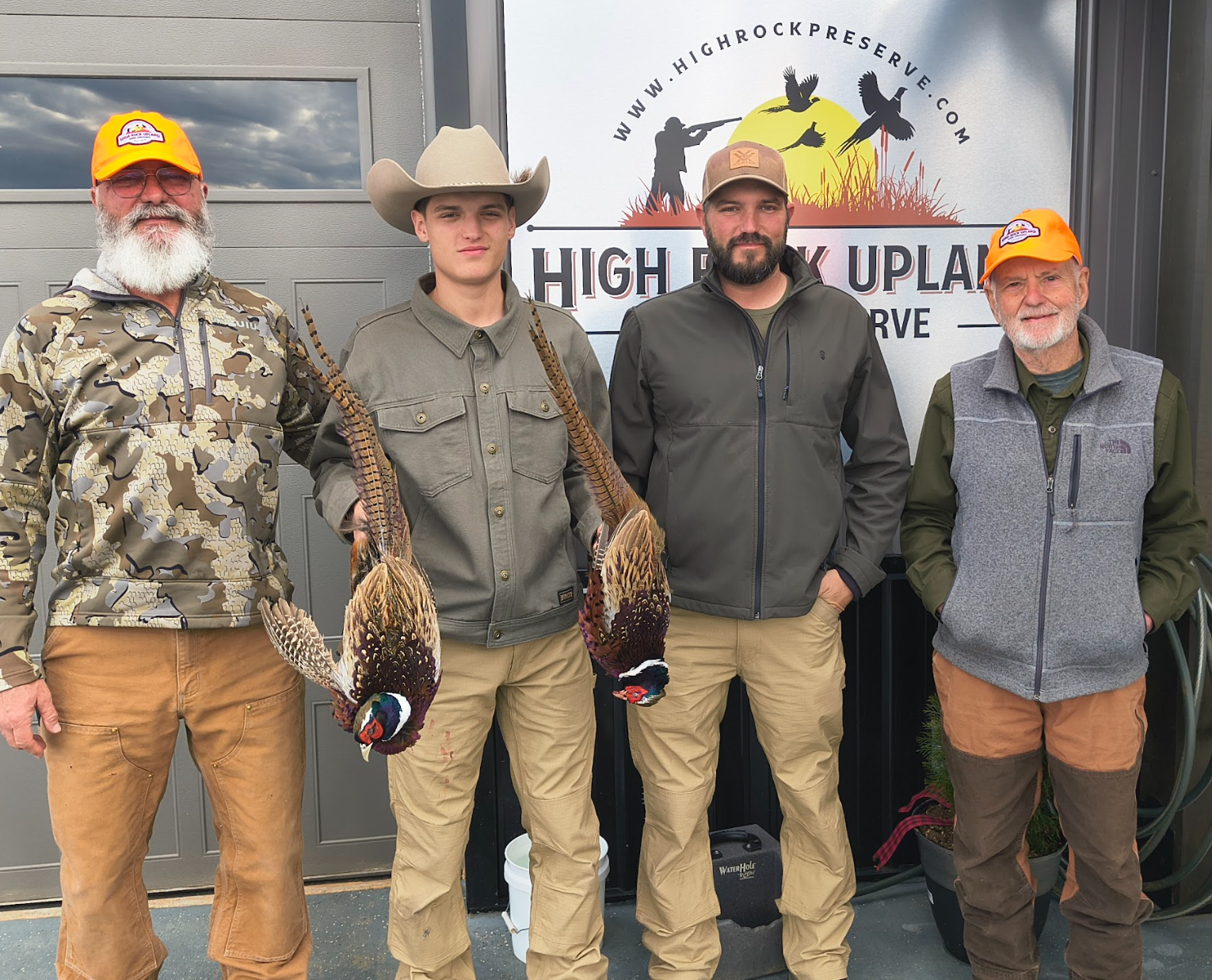
If you’re looking for a place to ease into hunting with guidance that feels welcoming instead of intimidating, High Rock Preserve offers the kind of experience that helps new hunters settle in quickly. From professionally managed fields to experienced guides who genuinely enjoy teaching the sport, the focus is on helping you build confidence while enjoying the outdoors the right way. Whether you’re interested in upland bird hunting, spending time with family outdoors, or simply learning the rhythms of the land, every outing is designed to feel authentic, safe, and memorable. It’s the kind of place where first hunts turn into lasting traditions, and where the experience matters just as much as the harvest.
Why First-Time Hunters Learn Faster With A Guide
Trying to figure out hunting on your own? That’s a long, bumpy road. With a guide, you cut years off the learning curve. Instead of memorizing stuff from a book or video, you’re out there building instinct and muscle memory, with someone who can tweak your form, explain animal behavior as it happens, and keep you focused on what matters.
Hands-On Instruction In Real Conditions
There’s a world of difference between reading about wind direction and actually watching a guide move your stand because of the morning’s thermals. In-the-field instruction just sticks. You’re not cramming facts—you’re tying knowledge to the crunch of leaves, the smell of the air, and the way your heart jumps when you spot movement.
A guide notices how you handle your firearm as you push through brush. They see when your steps get sloppy on a hillside. They catch little habits before they become big problems. That kind of real-time feedback is something you just can’t get from a screen, and it’s what gives you a foundation that’ll last when you finally go solo.
Shortening The Learning Curve
Most new hunters spend their first seasons making the same mistakes—bumping deer by walking too fast, hunting on the wrong side of the wind, freezing in the blind because they wore the wrong layers. A guide’s already made those mistakes and learned the hard way, so you don’t have to.
Instead of guessing why you came home empty-handed, you get to learn why choices matter, right from the start. That’s when things start to click.
Building Confidence Before Going Solo
Heading into the woods alone for the first time? That’s a lot of pressure. Guided hunts take the edge off without watering down the experience. You’re still in wild country, still making decisions, still feeling that rush when an animal steps out.
But you’ve got backup. Someone who’s been there a hundred times can quietly remind you to slow your breathing, nudge you to wait for the right shot, or just give you a nod when it’s time. That kind of support builds real confidence—something you’ll carry with you long after the trip.
Safety And Ethical Decision-Making In The Field
Safety and ethics aren’t just side notes on a guided hunt - they’re baked into every part of the day. From the moment you hop out of the truck to the last walk back, a good guide models responsible behavior and corrects things on the fly. You get hands-on guidance about rules, shot selection, and habits that make you a hunter others actually want to share the woods with.
Firearm Handling And Field Awareness
Muzzle discipline, safe zones of fire, and how to cross a fence with a gun—these are skills you really need someone to show you. On a guided hunt, you don’t have to wonder if you’re doing it right. The guide lays it out before you even load up.
Field awareness - knowing where your buddies are, reading the terrain for safe shots, staying sharp even when things are slow - becomes second nature when someone’s modeling it right next to you. Learning these habits in context, not just theory, makes all the difference.
Respecting Wildlife And Shot Selection
Picking the right shot is one of the toughest things for a new hunter to master, and it’s hard to learn without someone there to walk you through it. A guide helps you judge when a shot is clean and recoverable, and when it’s better to just let the animal walk. That discipline matters—for the animal, the land, and the reputation of hunters in general.
You also pick up how to respect the animal before and after the shot: how to approach, handle, and even think about what you’re taking from the land. That sticks with you.
Following Local Rules And Seasons
Hunting regs are a patchwork—what’s legal in one spot might not fly a mile down the road. Your guide knows the local rules, no guesswork needed.
In the Southeast, season dates, bag limits, antler restrictions, and shooting hours all matter. A guide lays it out before you start, so you don’t have to sweat whether you’re in bounds.
Better Access To Productive Ground And Local Knowledge
One of the biggest perks of a guided hunt? Access. Private land, prime habitat, and the kind of local know-how you just can’t fake. A guide knows which fields fill up with birds after a cold snap, which creek bottoms the deer slip through, and how weather shifts animal patterns.
Reading Habitat, Weather, And Animal Movement
Animals aren’t just wandering around at random. They’re following food, cover, temperature, and pressure. Learning to spot those patterns is what separates hunters who fill tags from those who just get fresh air.
Your guide reads the land like a local reads their own street. They know where deer stage before dark, where turkeys roost, and how a north wind changes everything at first light. Watching this in action teaches you to see the woods with new eyes.
Navigating Unfamiliar Terrain
Heading into strange woods in the dark, finding your stand, not getting turned around—it’s tougher than it sounds. A guide handles navigation, letting you focus on the hunt, and along the way, you start picking up on landmarks, how water moves, and where animals like to travel. By the end, you’ve got a better sense for how the land fits together.
Understanding Regional Conditions In The Southeast
The Southeast’s got its own vibe. Warm early seasons, thick hardwoods, ag fields, and weather that can turn on a dime—all of it shapes how animals move. A guide who hunts this region all year knows these patterns in a way no generic resource can match.
In North Carolina and the rest of the Southeast, rut timing, acorn crops, even local hunting pressure—all of it shifts deer movement in ways a newcomer just wouldn’t see coming. Local knowledge really is gold here.
What Beginners Gain From Gear, Dogs, And Logistics Support
Just figuring out what gear to bring can stress a new hunter out before they even leave home. A guided trip takes most of that off your plate. The outfitter’s got the essentials covered. You get to focus on the experience, and you get to see how seasoned hunters and their dogs work together—something no catalog or gear review can really prepare you for.
Using The Right Equipment Without Guesswork
Picking the right gun, ammo, clothes, and extras for a specific hunt in a specific spot takes experience. On a guided hunt, a lot of that’s handled. Outfitters usually provide firearms, ammo, blinds, stands—whatever suits the hunt.
Even if you bring your own gear, your guide can spot what’s working and what’s not. That saves you from wasting seasons with stuff that just doesn’t cut it.
Learning How Working Dogs Fit The Hunt
Seeing a well-trained dog cut through a field, lock up on a bird, and hold steady while you get in position—it’s electric, especially for first-time upland hunters. It’s also a master class in teamwork. You learn how the dog signals, how the guide reads those signals, and how shooting lanes play out around a pointed bird.
Dogs bring tradition and teamwork to hunting that’s tough to explain until you see it. Plenty of new hunters leave their first guided upland trip with a new respect for working dogs—some even end up wanting a dog of their own.
Reducing Stress Around Planning And Timing
Logistics—scouting, licenses, food, gear, all of it—can be a headache. When an outfitter takes care of those details, you show up ready instead of frazzled. That mental space lets you actually soak in the experience.
For families or groups trying hunting for the first time, that support can be the difference between a smooth, memorable trip and one you’d rather forget. You arrive, the guide handles the rest, and you get to be present for the whole thing.
How Guided Trips Create Stronger Outdoor Memories
Some of the best hunting memories? They don’t come at the moment you pull the trigger. They’re at the tailgate after, over a slow breakfast at the lodge, or watching the fog burn off a field at sunrise. A guided trip is built around the whole experience, not just the result, and that makes for memories that stick.
Sharing The Experience With Family Or Friends
Hunting with people you care about changes everything. When you bring family or friends who are new to hunting, the shared nerves, the quiet walks, the laughs back at camp—those are the stories you’ll tell for years.
Guided hunts are great for groups because the outfitter handles safety and logistics for everyone. Each person gets instruction, everyone feels included, and you all walk away a little closer.
Connecting With Nature Beyond The Harvest
A guided hunt puts you out there when the wild is most alive—pre-dawn walks, woods waking up, the smell of wet leaves and cold air. A good guide points out things you’d probably miss: tracks in the mud, a hawk riding a thermal, the way light filters through the trees.
Whether you fill a tag or not, you spend hours outside, away from screens, paying real attention to the world. That’s valuable all on its own.
Enjoying Lodge Life And The Pace Of The Day
There’s something about lodge life—warm meals after cold mornings, boots drying by the fire, stories traded around the table. It’s part of what makes a guided hunt feel like more than just ticking a box.
A guided day has a rhythm: hunt when the time’s right, rest when it’s not, gather in the evening to swap stories. That pace gives the trip a natural shape that just feels right, even on slow days.
Choosing The Right Outing For Your First Hunt
Your first guided hunt sets the tone for how you feel about hunting, so it’s worth making sure the trip fits what you actually want. It comes down to your comfort level, what animals interest you, and what kind of place you want to experience.
Matching The Hunt To Your Comfort Level
Not every hunt asks the same of you. A half-day dove hunt in an open field is a whole different deal from a multi-day deer hunt that starts in the dark and ends late. Be honest with yourself about your fitness, your comfort with firearms, and how much you want to take on for your first trip.
Both the species and the setting matter. Upland bird hunting on managed land with seasoned dogs is often a great starting point—active, social, and with the guide close by the whole time.
Questions To Ask Before Booking
Before you sign up, ask the outfitter straight-up questions. A few good ones:
- What’s included in the price, and what’s not?
- Do I need any firearms experience?
- What kind of physical effort should I expect?
- How many hunters per guide?
- What’s the usual success rate?
- What gear do you provide, and what should I bring?
A solid outfitter won’t dodge these questions. If they answer honestly and without pressure, that’s a good sign you’re in the right hands.
Turning One Trip Into A Long-Term Outdoor Habit
Sometimes, all it takes is one good guided hunt to change the way you see the woods. I’ve seen folks show up nervous, unsure if they belong, but after a day or two with a steady, knowledgeable guide, something shifts. They come back the next season with a touch more swagger, asking sharper questions, maybe even hauling in their own battered thermos and a set of boots that’ve finally seen mud. That first experience isn’t just about learning how to shoulder a rifle or spot fresh tracks—it’s about cracking open a door to a whole new world.
Nobody really wants to rely on a guide forever. You want to build a foundation strong enough to stand on your own two feet, to know why you’re out there and what you’re working toward. Those next few seasons after that first trip? They feel different. There’s purpose in the early mornings and the time spent glassing a hillside, because you’ve got a sense of direction now.
At the end of the day, hunting is about more than the moment birds rise or the miles covered across a field. It’s about slowing down long enough to reconnect with the outdoors, learn something new, and share meaningful time with the people beside you. For beginners especially, the right experience can turn uncertainty into confidence and curiosity into a lifelong passion. Whether you’re stepping into the field for the very first time or simply looking for a more guided and memorable outdoor experience, there’s real value in learning from those who know the land and respect the traditions that come with it.
If you’re ready to experience the outdoors with knowledgeable guides, scenic landscapes, and authentic upland hunting experiences, High Rock Preserve is the perfect place to begin your journey. Plan your next hunt, explore the land, and create lasting memories with family and friends at High Rock Preserve before your next season begins.
Frequently Asked Questions
What should a first-time hunter expect on a guided hunt?
Expect a day that’s mapped out for you—usually with a safety talk, some background on the critters you’ll be hunting, and a guide who sticks close by. Most outfits handle the nitty-gritty: getting you to the right spot, making sure you’re set up, and keeping things safe. Your job? Show up ready to listen, ask questions, and soak it all in. Most guides are used to beginners and keep things relaxed and welcoming. No need to worry about feeling out of place.
How do guided hunts improve safety and decision-making in the field?
A good guide keeps a close eye on things like muzzle direction and how you’re moving, catching little mistakes before they become big problems. They’re right there to help you figure out when a shot is ethical—when it’s worth taking, and when you should hold off. That kind of real-time feedback sinks in fast. Let’s be honest, it’s a lot harder to pick up those habits if you’re stumbling around solo.
What skills can a beginner learn faster with a professional guide?
With a guide, you’ll pick up stuff like reading tracks, figuring out wind direction, choosing where to sit, and sneaking through brush without sounding like a herd of cattle. They’ll show you how to handle your firearm safely and make good calls in the moment, not just in theory. These are the kinds of lessons that usually take years to learn on your own, but a guide can help you shortcut the process.
How do I evaluate whether a guided hunt is worth the cost for my first trip?
Think about what you’re really paying for: access to land that actually holds game, solid instruction, help with gear and logistics, and—let’s be honest—a much better shot at having a safe, successful hunt. For beginners, the money you spend on a guided trip can actually save you from wasting cash (and time) on gear you don’t need, travel to empty public land, or licenses you never use. The jumpstart you get from that experience? It’s hard to put a price on learning in a few days what might otherwise take you years.
What gear is typically provided by an outfitter, and what should I bring myself?
Most outfitters set you up with blinds or stands, calls, and sometimes even firearms and ammo—it depends on the place and the hunt. Meals and a bunk are often part of the deal, especially if you’re staying a few days. You’ll need to bring your hunting license, layers for whatever weather rolls in, any meds you need, and whatever else the outfitter lists in their pre-trip notes. Don’t be afraid to ask what’s included; it’s better than arriving short a pair of dry socks.
How does a guide help with animal behavior, including whether deer can hear human voices?
Deer have sharp hearing—no doubt about it. Out in the woods, you’ll notice guides always remind folks to whisper or just keep quiet around the stand. They’ll show you firsthand how even a careless step, a clinking zipper, or the faintest whiff of your scent can send deer running. It’s not just one thing; deer pick up on the whole picture when it comes to humans in their world. There’s something about learning these subtleties from a seasoned guide, with real animals close by, that you just can’t get from reading about it.
Reserve Your Presence in the Preserve
Join us at the preserve and step into the fields to lose yourself in the perfect scene of adventure, relaxation, and lasting memories.
Book Your High Rock Upland Escape
