%201.png)

%201.png)




Guided Upland Bird Hunts for First-Time Hunters: What to Expect in the Field
You can step into your first guided upland bird hunt without feeling overwhelmed. A good guide meets you where you are, walking you through safe shooting, working with dogs, and understanding how the field unfolds. You gain confidence as you go, learning by doing, with steady guidance and time to ask questions along the way.
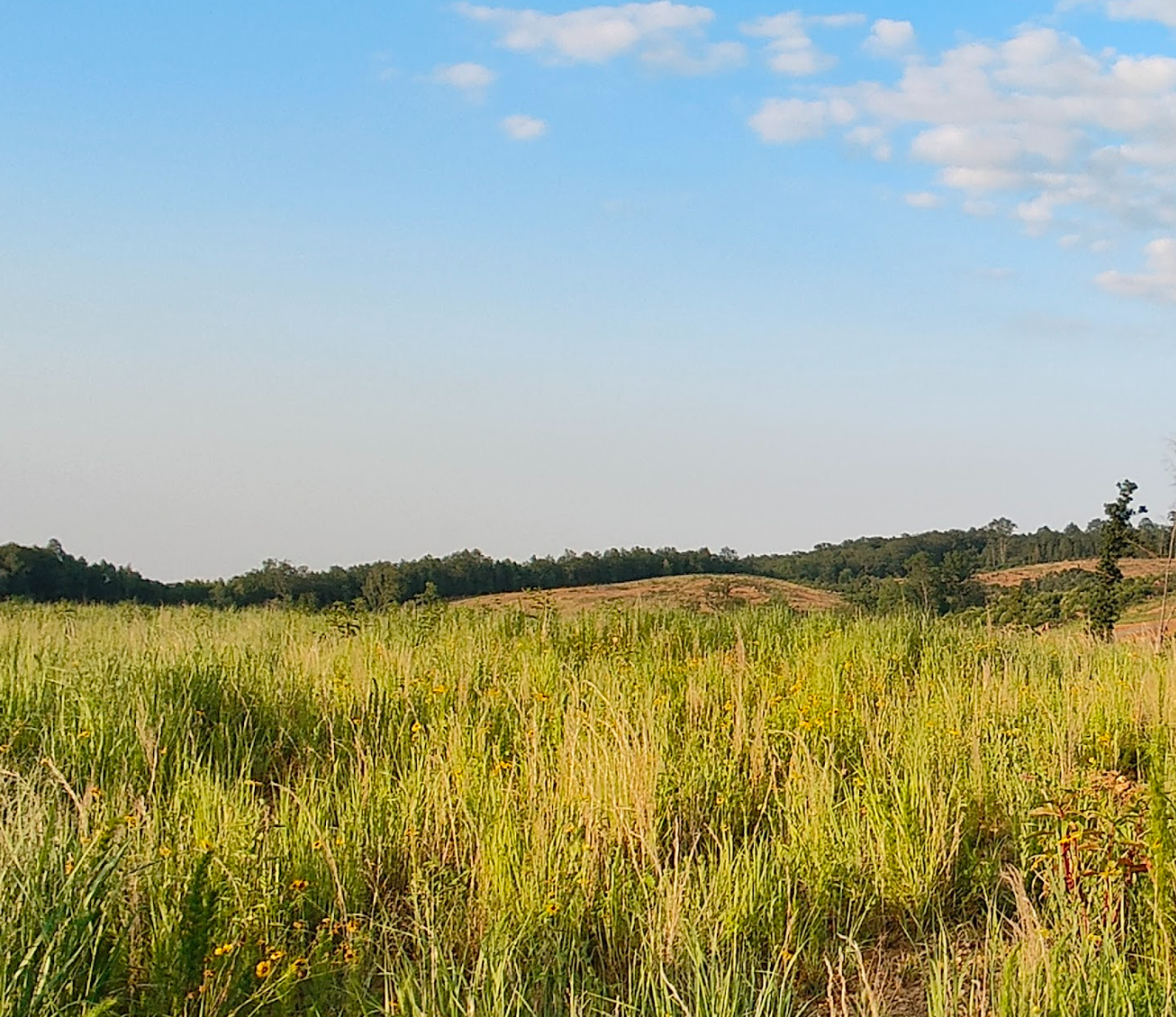
There is a certain stillness to a morning hunt. A dog locks into a point. You feel the shift in the air. Your guide offers a quiet word, and suddenly everything makes sense. At High Rock Preserve, those moments happen naturally. The land is open and honest, with rolling hills, well-managed habitat, and strong flying birds that create a true upland experience.
You will learn what to bring, how to move through the terrain, and what to do when a bird flushes or falls. Nothing feels rushed or forced. Instead, the day unfolds at a pace that allows you to take it in, build real skills, and enjoy the experience for what it is.
Stay close to your guide, trust the process, and enjoy the learning curve. By the end of the hunt, you will walk away with more than just knowledge. You will carry a deeper connection to the land, the dogs, and the tradition itself.
Guided Upland Bird Hunts
Guided upland bird hunts match you up with an experienced guide, trained dogs, and managed fields where quail, chukar, or pheasant keep things lively. You’ll pick up how to move safely, read cover, and make steady shots while someone else keeps an eye on the dogs and birds so you can just focus on the moment.
A guided upland bird hunt puts you in private fields with a pro and their dogs. The guide plans the route, points out birds, and handles retrieving so you can just work on stopping, aiming, and shooting. They’ll set up safe shooting lanes and talk you through shot placement and field manners.
These hunts use managed habitat and released or wild birds to keep things interesting. You’ll spend your time walking at a steady pace, handling your shotgun, and learning how wind and terrain play into the hunt. It’s mostly short, active walks with bursts of excitement when birds explode out of cover.
Why Go Guided?
Guides speed up the learning curve and keep you from making rookie mistakes. They’ll show you how to carry your shotgun, call dogs, and move with the land instead of against it. If you’re doing something sketchy, they’ll fix it right away and explain how weather, brush, and dogs change the game.
They handle all the logistics: local know-how, boundaries, permits, and safety talks. For beginners, a guide means less stress and more birds. If you just want to soak up the experience, let the guide worry about the details—they’ve got it.
Types of Upland Game Birds
Quail are tiny, fast, and usually flush close; you’ll need quick hands and a steady aim. Chukar are mid-sized, fly fast and low, and demand quick, accurate shots. Pheasant are bigger and burst up with those dramatic, classic flushes that get your heart racing.
Each bird likes a different hangout: quail stick to brushy edges, chukar love open, rocky slopes, and pheasant hide in tall grass or cropland. Guides set up each hunt to match the bird and your skill, so you get real practice and learn where birds like to hide and fly.
Book your next hunt.
Choosing Your First Guided Hunt
Your first guided hunt should feel straightforward, welcoming, and grounded in real experience. It starts with the land, the people guiding you, and a pace that allows you to learn without pressure. Focus on safety, clear communication, and setting realistic expectations so the day stays enjoyable from start to finish.
A Place That Guides You Well
At High Rock Preserve, we believe your first hunt should build confidence from the moment you step into the field. Our team walks alongside you, offering clear instruction on safe gun handling, how to move with dogs, and what to expect when a bird flushes. Nothing is rushed. Every step is explained in a way that feels natural and easy to follow.
You will know what is included before you arrive, so there are no surprises. From the birds to the pace of the hunt, everything is designed to help you focus on the experience itself. When the morning air is crisp and the field begins to wake up, you can settle in and enjoy the rhythm of the hunt.
Land That Works With You
The terrain here is shaped to welcome both new and experienced hunters. Rolling hills, open fields, and well-defined edges make it easier to move comfortably and stay aware of your surroundings. You can focus on learning how birds behave, how dogs work, and how to position yourself for a safe and successful shot.
If you are bringing your own dog, there is space for them to work naturally. The land allows for steady movement, clear visibility, and the kind of experience that strengthens the bond between you and your dog.
Timing the Right Day
The right conditions can shape your entire hunt. Cooler mornings bring energy to the field, with birds moving early and the landscape at its most alive. As the day begins, you will notice how the light, wind, and terrain all come together to influence each moment.
A half-day hunt gives you time to settle in, learn, and enjoy the process without feeling rushed. If you find yourself wanting more, you can always extend your stay, slow down, and take in the full experience of being out on the land.
Gear Up Without Stressing Out
You don’t need a mountain of gear—just a few solid pieces to keep you warm, safe, and legal. Go for stuff that fits, stays quiet, and doesn’t distract you from learning.
Essential Clothing and Footwear
Dress in layers. Start with a wicking base (polyester or merino), add something warm, and finish with a quiet, water-resistant shell. Stick to earth tones—olive, brown, tan—so you blend in.
Wear broken-in boots with ankle support and good grip. Waterproof is a plus for wet grass or creek crossings. Bring wool socks and a spare pair—nobody likes cold, blistered feet.
Toss in a brimmed hat for sun or rain, lightweight gloves for chilly mornings, and a safety vest if your guide wants it. Sunglasses, a buff or neck gaiter, and rain pants are smart if the weather looks sketchy.
Firearms and Ammunition Basics
No gun? No problem—most guides have a shotgun for you or rentals. For upland birds, a 12- or 20-gauge over/under or pump is standard. Use something that fits your shoulder and points easily.
Go with 7½, 8, or 9 shot for pheasant and chukar; 7½–9 for quail, depending on range. Bring a small, sturdy box for a dozen rounds plus extras if your guide suggests. Keep ammo dry and secure.
Have your guide check gun fit before you start. Practice safe mounting and pointing. Try dry-mounts (no shells) and clay shooting if you can. Keep the gun unloaded until your guide says otherwise.
Safety Must-Haves
Carry a valid hunting license and any needed tags or permits in a waterproof sleeve. Give your guide emergency contacts and medical info before heading out.
Bring a whistle, headlamp, and a tiny first-aid kit—bandages, wipes, painkillers. Pack water (at least 1 liter) and snacks like trail mix or jerky to keep your energy up.
Follow firearm commands, wear ear protection when shooting, and always point the muzzle safely. Your guide will cover dog safety, bird retrieval, and land boundaries—listen up and don’t be shy about asking questions.
Meet Your Guide: Your Wilderness Sidekick
Your guide keeps you safe, teaches the basics, and reads the land so you can focus on the hunt and the dog. Expect straightforward instructions, hands-on coaching, and a bit of encouragement when you miss (because you will).
Typical Guide Responsibilities
Guides scout fields before you arrive. They check wind, cover, and bird signs so you start in the best spots. They’ll walk at a steady pace, point out safe shooting lanes, and direct where the dogs work.
They show you gun handling, stance, and when to shoot. If you’re new, they’ll walk you through loading, unloading, and how to carry the gun without drama. They handle bird retrievals and help train your dog on the fly.
Safety is their top job. Guides enforce range rules, keep you clear of other groups, and know basic first aid. At High Rock Preserve, guides mix teaching with keeping things relaxed and fun.
How to Communicate With Your Guide
Speak up early about your experience, physical limits, and what you want out of the day. Tell your guide if you’re nervous, left-handed, or want shorter walks. The more they know, the better they can plan.
Use short, direct signals in the field: a nod, a quiet “here,” or whatever hand sign your guide shows. Ask questions between birds, not when dogs are working or someone’s about to shoot.
Be honest about your shots. If you miss or lose track of a bird, say so right away. Guides need that info to direct the dog and avoid wasted searches. A quick “thanks” or “good job” goes a long way at the end.
Getting Ready: Prep Like a Pro (Or Just Look Like One)
You’ll want to feel steady on your feet and not totally awkward with a shotgun. Pack practical clothes, practice basic swings, and learn a few safety steps so your day isn’t a disaster.
Physical Preparation
Walk hills with a loaded backpack to build leg strength and balance. Try 20–30 minute walks on uneven ground, three times a week. Mix in stair climbs or hikes with a 10–15 lb pack to get used to carrying gear and moving like a dog on a mission.
Stretch hips, calves, and shoulders before and after. Work on ankle mobility and single-leg balance—stand on one foot for a minute, then switch. Wear broken-in boots with good tread and layer up for wind and chilly mornings.
Hydrate and eat a protein-rich snack before your hunt. Bring sunscreen and bug spray. If you’re curious about the preserve layout or elevation, ask when you book at High Rock Preserve.
Learning Basic Shooting Skills
Start with a safety talk and learn to carry the shotgun muzzle up, finger off the trigger. Practice loading, unloading, and getting a good gun fit—cheek on stock, eye on the bead. A decent fit keeps your shots on track and helps with nerves.
Work on smooth mounts and follow-through with clays. Try to swing with the target, not snap at it. Keep your head down and eyes on the target until after the shot. Use a steady stance: feet shoulder-width, left foot a bit forward if you’re right-handed.
Practice breath control—take a breath, let it out halfway, then shoot. Start at short range, move out as you get more comfortable. Ask your guide to watch a shot or two and give you one clear tip.
Your Feathered Targets: Upland Bird Species for Beginners
You’ll run into three main birds on a first guided upland hunt. Each flies, hides, and acts a little differently, so knowing the basics helps you stay safe and maybe even succeed.
Popular Birds for First Timers
Quail are small, quick birds that often run through grass before flushing. They usually fly low and in short bursts, which makes them forgiving for new shooters. Dogs find and point them, so you’ll get to read a dog’s body language.
Pheasants are bigger and flash bright colors when they take off. They fly higher and straighter, giving you a longer shot window. Since they’re larger, they slow down more in flight, making them a bit easier to track.
Chukar are stocky and strong flyers. They launch from rocky or open ground and can really surprise you with their speed. Guides usually put you in spots where chukar tend to lift, so you get a clean shot without having to guess where they’ll pop up.
Understanding Bird Behavior
Birds use cover, wind, and terrain to stay safe. Quail love thick grasses and brush; they’ll hide right away and only burst into flight if you get too close. Move quietly so you don’t scare off a covey before your dog finds them.
Pheasants stick to fields and fence lines. They’ll crouch down until you’re nearly on top of them, then erupt into the air. That sudden takeoff? You’ve got to be ready—track their straight, steady flight and react quick.
Chukar hang out on rocky slopes and open ridges. They run more than they fly and, when startled, shoot up for a short, high flight. Keep an eye out for ridges, terraces, and ledges—classic chukar hangouts. Let your guide pick a spot downwind so you get a better view.
In the Field: What to Expect on Your First Hunt
You’ll head out from the lodge to the fields, meet your guide, go over basic safety, and spend time with a handler dog. Expect clear instructions, a steady pace, and plenty of chances to watch birds flush.
Typical Day-by-Day Schedule
- Arrival & check-in: Sign paperwork, get a quick safety chat, and stash your gear. Guides check licenses and make sure your shotgun fits.
- Dawn start: Hot coffee, a short walk, and a quick demo on range and shooting stance. The guide finds the best cover for birds and puts you in position.
- Morning hunt: Walk one or two miles across fields and brush. The dog works close, points birds, and retrieves. Guides call out wind, shot angles, and when to move.
- Midday break: Lunch at the truck or lodge. Clean up, hydrate, and chat about shots and bird behavior.
- Afternoon session: Head out again, maybe to new spots based on bird movement. Practice safe gun handling and take a few more shots under your guide’s watchful eye.
- Wrap-up: Guides help you field-dress birds if needed and go over safety and etiquette before you leave.
Common Field Etiquette
- Stick with your group. Walk where the guide tells you and don’t wander into tall cover. Keeping together helps prevent lost birds and missed shots.
- Always keep muzzles down and fingers off triggers until the guide says “ready.” Only load when told, and unload before crossing fences or roads.
- Respect the dogs—don’t call them or wave your arms. The handler’s got them covered. Let retrievers bring birds back and hand them to the guide.
- If you harvest a bird, follow the guide’s dressing and handling steps to keep meat safe and stay legal.
- Ask questions, but keep your voice low. A loud shout can stop a pointing dog or flush birds before you’re ready.
- Take out your trash and spent shells. Leave the fields as you found them—conservation matters.
High Rock Preserve backs these habits and guides you every step so you can learn safely and actually enjoy the hunt.
Next Steps: Leveling Up After Your First Hunt
You’ve learned the basics, felt the rush, and seen how a guide shapes the day. Now it’s about building skills, finding new fields, and meeting people who hunt the way you do.
Finding Your Next Adventure
Pick one goal—improve shot timing, read covey flight, or train your dog. Book another guided hunt to work on that skill with an experienced guide who’ll give you quick, specific tips. Bring the same gun and shells so you get consistent. Then, try a new field layout or bird species for variety.
Consider a half-day for wing-shooting drills or a paired session with a handler to tune up your dog. Keep a short log after each hunt: weather, bird behavior, what went well, and one thing to fix. Use that to guide your next outing.
Joining Local Hunting Communities
Find a local club, conservation group, or hunting forum for meetups, training days, and gear swaps. Go to a beginner event or dog clinic to meet guides, mentors, and other newbies in person. Ask about local bird habits and legal seasons.
Volunteer for habitat workdays or youth hunts to learn conservation and make connections. Join groups that post “open” hunts or land rentals—those are a great way to hunt new ground without owning land. If you liked High Rock Preserve’s vibe, book another visit or ask about clinics and private land dates.
Step Into the Field
Every hunter starts somewhere. Your first guided upland hunt is not about perfection. It is about learning the rhythm of the land, trusting your instincts, and building a connection with your dog, your guide, and the experience itself.
There will be missed shots. There will be moments that catch you off guard. And there will be those quiet seconds when everything comes together. The sound of wings, the stillness before the flush, the feeling of being fully present in the field. Those are the moments that stay with you.
At High Rock Preserve, we believe those experiences should feel real, welcoming, and grounded in tradition. Whether it is your first time in the field or the start of something you plan to pursue for years, you will find a place to learn, grow, and enjoy every step of the journey.
Get off the screens and get outdoors. Step into the field, take a deep breath, and see where the hunt takes you.
Book your first hunt.
Frequently Asked Questions
Here are straight answers about gear, cost, bird types, guided hunts, finding local guides, and whether to travel for a hunt. This stuff covers what you’ll need, what to expect, and easy ways to pick your first outing.
What's the starter pack for newbie upland bird hunters?
Bring ear and eye protection, a shotgun (12 or 20 gauge works), and five to ten shells per hunt.
Wear sturdy boots, dress for the weather, and grab a vest with pockets for shells and small gear.
A dog’s optional. Most guides provide dogs, maps, and a safety rundown.
Do I need a fat wallet for my first guided upland bird hunt?
Not really. You’ll pay for the guide, birds, and maybe a night at the lodge.
Most preserves offer day rates with guides and birds, so you know the cost up front.
Tip: call ahead about license fees, cleaning, or tipping so you’re not caught off guard.
Will I find quail more charming than pheasants on my inaugural hunt?
Quail flush fast and close—great if you like action.
Pheasants fly farther and stronger, so you get longer, tougher shots.
It’s a toss-up. Try both and see which you like more.
Is tromping through the wild on a guided hunt better than binge-watching nature docs?
Absolutely, if you want hands-on learning, fresh air, and a dog alongside.
Guided hunts give you real-time coaching, safety, and instant feedback—way more engaging than a screen.
If you love stories and the smell of the field, you’ll want to be out there.
If I whisper 'guided bird hunts near me' three times, will the internet gods deliver?
Searching works better than chanting. Use keywords like “guided upland bird hunts near Lexington, NC” to find local options.
Ask about guided or self-guided hunts, what’s included, and if dogs are allowed when you call.
High Rock Preserve lists both guided and self-guided hunts, plus lodging if you want an overnight trip.
Why trek to another state when the birds next door are just as feathery?
Local preserves save you the long drive and get you into the field faster.
Sometimes, though, heading out of state is tempting—maybe you’re chasing rare birds, bigger fields, or just craving a change of scenery.
Think about the birds you’re after, how much you trust the guides, and whether you’re up for a lodge weekend or just want a quick outing.
Reserve Your Presence in the Preserve
Join us at the preserve and step into the fields to lose yourself in the perfect scene of adventure, relaxation, and lasting memories.
Book Your High Rock Upland Escape
