%201.png)

%201.png)




What To Wear For Upland Bird Hunting: Layering Guide
Upland bird hunting has a way of getting under your skin. There is nothing quite like crunching across a frost-bitten field at sunrise with your dog zigzagging ahead and your shotgun nestled in your elbow. No phone or screen can touch that feeling. Whether you are chasing quail in Carolina pines or working pheasant and chukar through thick cover, what you wear matters more than you might think, especially if you are new to it.
Dialing in your clothing system lets you walk farther, stay comfortable, and keep your mind on the birds instead of on aching feet, sweat, or scratched-up legs. A poor clothing choice can turn a day in thick cover into a test of patience. The right gear, though, just sort of fades away and lets you soak up every minute out there.
Here is a breakdown of what to wear for upland bird hunting, from base layers to boots, across seasons and all sorts of terrain. We will cover layering, brush protection, blaze orange, and how to adjust on the fly as the weather shifts through the day.
Once you have your kit sorted, put it to work on the birds. Book a guided upland bird hunt at High Rock Preserve near Lexington, NC, and let our fields, cover, and dogs do the rest. Get outdoors and enjoy the chase.
Core Clothing Principles
A solid upland kit boils down to three essentials: move easily, stay dry, and do not fall apart in the brush. Upland hunting means miles on your feet, sometimes through grass that soaks your pants or tangles of briars that snag everything.
Mobility Over Bulk
This is not a sit-and-wait kind of hunt. You are walking, twisting, and sometimes throwing a shotgun to your shoulder in a blink. Every layer should let your arms swing and your shoulders move without pinching or binding.
Skip the heavy, boxy jackets that seem cozy but lock up when you try to move. Look for jackets and shirts with articulated elbows, gussets at the underarms, and cuts that fit your body in motion, not just on a hanger. Well-designed upland gear follows your forward-leaning stride and keeps fabric from bunching or riding up.
Here is a quick test. Before buying, lift both arms high and pretend to shoulder a gun. If the jacket pulls tight across your back or creeps up at your waist, it will drive you nuts after a few hours.
Breathability For Miles Of Walking
You will work up a sweat, even on chilly mornings. Upland hunting keeps you moving, and all those layers can trap heat fast, especially in the early season when temperatures might sneak into the 70s or 80s in the Southeast.
If sweat gets trapped next to your skin, you will cool off too much in the cold, and in the heat it leads to chafing and misery. Breathable fabrics are a must. Look for ripstop nylon, moisture-wicking polyester blends, or stretch-woven shirts with mesh panels under the arms or down the back.
Cotton is a no-go for base layers. It holds sweat, dries slowly, and can leave you shivering if the weather turns.
Durability In Brush And Briars
A single sweep through a blackberry patch or greenbrier can destroy lightweight hiking pants and leave your sleeves in tatters. Upland birds love the nastiest cover, so you are forced to follow.
Reinforced fabric panels on the shins, knees, seat, and forearms really do make a difference. Search out abrasion-resistant materials rated at 600-denier or higher in the spots that get the most abuse. Double layers on the shins and thighs help, especially in tight cover. Fabrics with a durable water-repellent or Teflon-style finish let thorns slide off instead of snagging. Good upland clothes are not cheap, but they will stick with you season after season.
Layering For Changing Weather
Upland weather rarely sits still. You might start in the dark at 28 degrees, warm up to 55 by mid-morning, and be sweating by noon. A smart layering system lets you add or peel layers as the day goes on, without losing comfort or protection.
Base Layers For Moisture Control
Your base layer does the heavy lifting. Its job is to pull sweat away from your skin before it can chill or chafe you. Merino wool and synthetic poly blends both work well. Merino is soft, resists odor, and just feels good on long hauls.
Most days, a lightweight or midweight base layer is plenty. In warm weather, a moisture-wicking tee might be all you need. When it is cold, a fitted long-sleeve crew neck base layer keeps you warm without bulking up your arms or shoulders.
Midlayers For Cold Mornings
Cold mornings, think the upper South, Appalachian foothills, or the northern plains, call for a midlayer. Fleece is a classic. It breathes, insulates even when damp, and packs down small.
Quarter-zip fleece pullovers or lightweight insulated vests both work. We are partial to vests, since they keep your core toasty without limiting arm movement. As the sun climbs, just peel the midlayer off and toss it in your vest or game bag.
Outer Shells For Wind And Light Rain
A breathable shell keeps wind and surprise rain at bay, and both show up fast in the uplands. Softshell jackets and pants are favorites because they block weather but still let you breathe, unlike those stiff hardshell raincoats.
Look for water-repellent or lightly membraned shells that shed drizzle but do not trap sweat. Full-on rain gear is usually too noisy and hot for active hunting, so we stick with a softshell or lightly insulated jacket. Some folks carry a compact shell in their game vest, just in case a storm rolls in.
Pants, Shirts, And Outerwear
Your core kit comes down to three things you will pull on every single hunt. Each one does more than just cover you. They are built for the rough-and-tumble of bird country.
Brush Pants And Briar Resistance
Brush pants, also called briar pants or upland pants, come with a reinforced front panel that covers your shins and knees. Usually that is a tough, tightly woven nylon or similar material that laughs at thorns. The backs are lighter and stretchier, so you are not weighed down or restricted.
If you spend much time in Eastern hardwoods, Southern pines, or Midwest hedgerows, regular hiking pants will be toast in a season. Good brush pants last for years. Look for a gusseted crotch for those big steps over logs and enough rise that your shirt stays tucked climbing fences.
Shirts That Handle Sweat And Snags
Your shirt sits between your base and outer layers and needs to do a bit of both. A good upland shirt wicks sweat, shrugs off scratches, and fits close enough not to snag on every twig.
Long sleeves protect your arms from thorns and sun, whether it is opening day or late season. Chest pockets that actually close are a must, since there is nothing worse than losing your dog whistle in a thicket. Stretch-woven fabrics that move with you make a long day feel a little shorter.
Vests And Jackets With Practical Storage
A solid upland vest is probably the single most useful thing you will wear. It frees your hands, holds shells, and keeps birds in the game bag, with no backpack needed. Strap vests are light and great for warm days. Full vests offer more structure and extra pockets.
Look for these features:
A big rear game bag with drainage holes
Shell loops or divided shell pockets for fast reloads
Blaze orange panels or overlays, a must for safety
D-rings or spots to clip a whistle, compass, or dog lead
Breathable mesh panels so you do not overheat
A dedicated upland jacket blends shell protection with storage, which is great for cold or wet hunts.
Boots And Lower-Leg Protection
Your feet are your ticket to the whole day. The right boots, plus lower-leg protection, mean you can keep going even when the cover gets rough.
Supportive Boots For Uneven Ground
Upland ground is rarely smooth. You will cross creeks, climb fences, and stumble over rocks. Boots need to support your ankles, grip slick grass and mud, and cushion your feet for miles.
Look for boots with a 6-inch to 10-inch shaft, aggressive lug soles for traction, and waterproofing for those early-morning dewy walks. Leather or leather-nylon hybrids both work. Some folks like hiking-style boots that blend hunting boot support with trail runner flex, which is a sweet spot for a lot of hunters.
Break in your boots before season starts. We cannot stress this enough. New boots on the first day of a multi-day hunt will ruin your week with blisters.
Gaiters And Chaps For Cover
Even with tall boots, seeds, burrs, and debris sneak into your socks by mid-morning. Gaiters seal that gap. Low-profile strap gaiters are fine for light cover. Full nylon gaiters work better in wet grass or thick brush.
Chaps add another layer of protection over your shins and lower legs. If you are tackling brutal cover like plum thickets or brambles, chaps plus brush pants make your lower half almost invincible. They also keep you a little warmer without slowing your stride.
Socks That Prevent Hot Spots
Merino wool socks are our go-to. They cushion, wick sweat, and keep your feet comfortable across a wide range of temperatures. A medium-weight wool sock with a cushioned sole works for most upland hunts.
Skip cotton socks. They squish down, hold sweat, and wrinkle underfoot, which is a recipe for blisters. Pay attention to sock height too, since a crew or knee-high sock keeps your boots from rubbing your skin raw.
Safety And Visibility In The Field
Safety in the uplands is more than just handling your gun right. Staying visible, protecting your eyes, and keeping tabs on your group all matter.
Blaze Orange Essentials
Blaze orange is non-negotiable for upland safety. Most states require a certain amount, but even where they do not, it is just smart. It makes you visible to other hunters and helps prevent accidents in brushy cover where you cannot always see who is nearby.
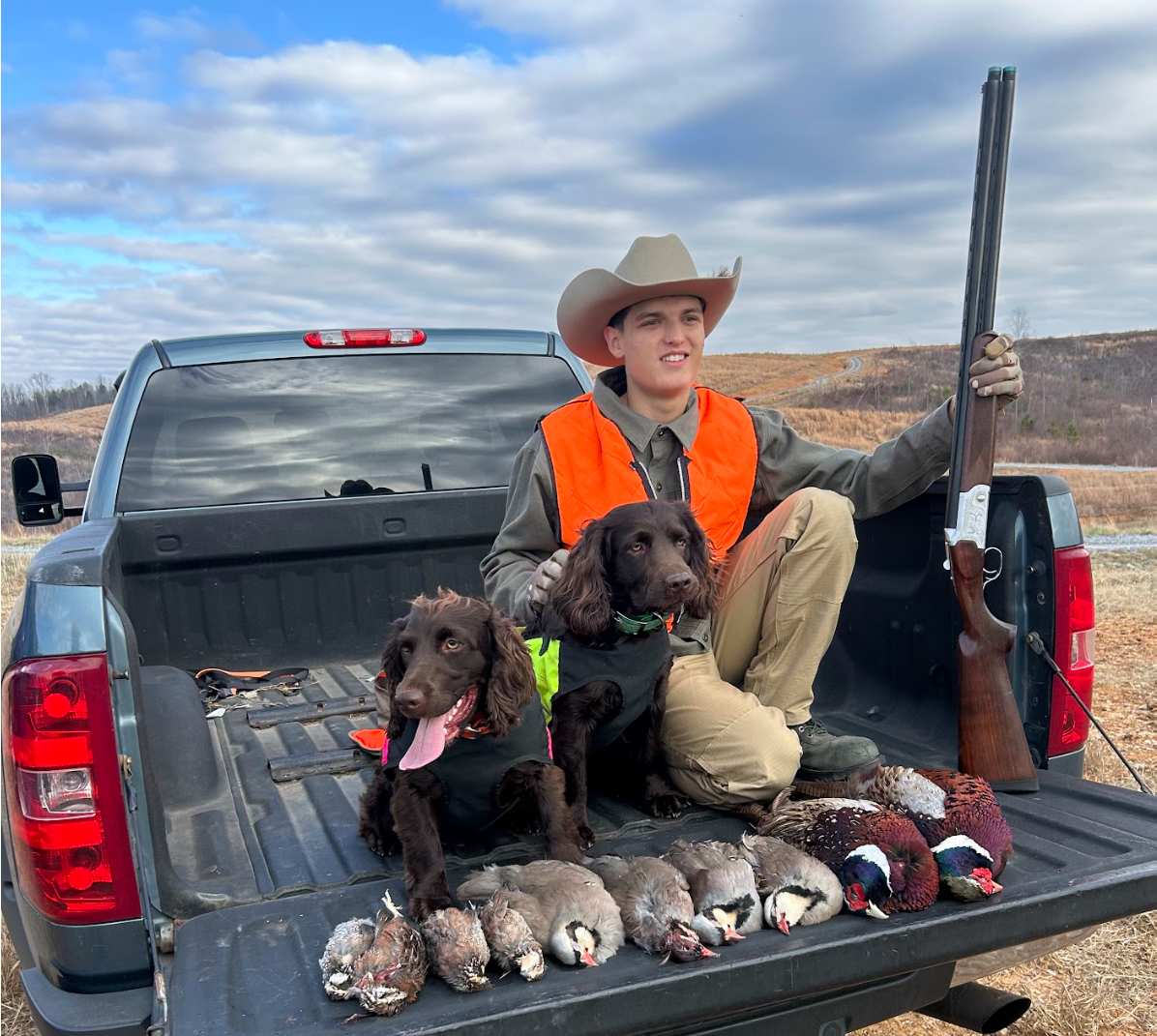
At a minimum, wear a blaze orange hat. A vest or jacket with plenty of orange is even better, especially on public land or when hunting with a group. Some folks use a removable orange vest over their shooting vest while moving between fields, which works well on preserves and private land where you know your group location.
Eye And Hand Protection
When a bird flushes, all sorts of stems and seeds can fly right at your face. Safety glasses with clear or amber lenses shield your eyes and do not mess with your vision, even in low light. Many hunters will not push through thick cover without them anymore.
Lightweight shooting gloves keep your hands from getting shredded and take the sting out of cold mornings. Thin leather or stretch-nylon gloves work well for cool weather. Some hunters skip them when it is warm, but after a few hours pushing through greenbrier, most folks change their minds.
Dressing For Group Hunts And Dog Work
When you are out hunting with a group, nothing beats everyone in solid blaze orange. It is just easier, because your eyes can sweep the field and know right away where folks are. Before you even load up the truck, it is worth agreeing on a standard. Some wear just hats, others go full vest, but either way it is far safer than a confusing mix of camo and half-hidden orange.
Now, if you are working behind pointing or flushing dogs, things get lively fast. Dogs zigzag, birds flush in unpredictable directions, and all of a sudden you are moving in ways you did not plan. Full blaze orange is not just a good idea, it is your insurance policy. And do not forget about the dog. An orange vest or collar makes it much easier to spot your pup in waist-high grass, and it keeps everyone clear on what is a dog and what is a person out there.
Adjusting Gear By Season And Region
Layering is the name of the game, but what you reach for changes with the season and where you are hunting. Getting this dialed in is the difference between a day you remember and one you would rather forget.
Early Season Heat
Early season upland hunting, think dove in late summer or quail and pheasant in the first cool days of fall, often means sweating by 9 a.m. You are dressed more for an all-day hike than a classic late-season bird hunt.
Go light. Moisture-wicking shirts, vented brush pants, and a strap vest over a single base layer usually do the trick. Breathability is everything. Bring water, and start with a layer you can peel off when the sun climbs. If you are in open fields, trail runners or low-cut boots work fine. Save the heavy ankle support for the gnarlier cover.
Late Season Cold
Late-season hunts for pheasant, quail, or grouse mean frosty mornings and not much daylight. You will want a system that can handle freezing dawns and milder afternoons.
Start with a wicking base layer, then a fleece or wool midlayer, and top it with something wind-resistant. Insulated brush pants are a real treat when the wind bites. Hand warmers tossed in a vest pocket can be a game-changer on those raw days. If it is damp or spitting freezing rain, you will want a waterproof shell, because cold and wet is a combo that can ruin even the best hunt.
Southeast And North Carolina Conditions
Hunting the Southeast, especially North Carolina, brings its own quirks. Temperatures can swing wildly, from around 30 degrees at sunrise to the high 50s by lunch. You will cross everything from open fields to tangled creek bottoms and thick pine stands.
Here, flexibility is your friend. Light merino base layers, a quarter-zip fleece, and a packable softshell will see you through most days in the Carolinas. That mix works well on our fields near Lexington, where you can plan a guided or self-guided hunt and dress for the whole range of conditions in a single morning. Do not skimp on brush pants, because briar patches in the South do not mess around. Waterproof boots that can handle sticky clay and surprise creek crossings are essential, since wet feet will end your day fast.
Got your layers dialed in and ready to chase birds? Come test your kit in the field with us and book an upland bird hunt near Charlotte. Experience the land and embrace the adventure.
Frequently Asked Questions
What clothing layers work best for pheasant hunting in cold winter conditions?
Start with a moisture-wicking base, add a fleece midlayer for warmth, and finish with a wind-resistant shell. Insulated brush pants over thermal long johns keep your legs happy and hold up to thick cover. This setup lets you adjust as you warm up or cool off, and nobody wants to sweat through a cold day.
Which upland hunting vest features matter most for carrying shells, birds, and gear?
Look for a roomy rear game bag with drainage, shell pockets or loops up front, and a blaze orange panel for safety. Mesh panels help you stay cool when you are moving. Fit matters, because a vest that hugs your body but lets your shoulders move freely is worth its weight in gold. Oversized vests just get in the way when it is time to shoot.
What are the most important footwear and sock choices for long upland walks?
You need boots with ankle support, grippy soles, and waterproofing for wet grass and creek crossings. Break them in well before the season, since blisters are misery. Pair your boots with medium-weight merino wool socks, which cushion, wick away sweat, and help prevent blisters. Leave the cotton socks at home.
Which fabric types and colors are most practical for brush, briars, and changing weather?
Go for abrasion-resistant ripstop nylon or polyester with a water-repellent finish on your pants and outer layers. For base layers, moisture-wicking polyester or merino wool is hard to beat. Earth tones like tan, brown, and olive blend in just fine, but blaze orange on your hat and vest is non-negotiable for safety and to stay legal.
What essential items should be on a beginner's upland bird hunting gear list?
You will want a strap-style hunting vest, a blaze orange hat, a moisture-wicking base layer, brush pants, waterproof boots, and wool socks. Lightweight gaiters keep out debris, and safety glasses protect your eyes in thick cover. This simple kit will get you through your first season without breaking the bank or your spirit.
How should I choose durable, field-ready upland hunting clothing?
When you shop for upland clothing, favor purpose-built construction. Look for abrasion-resistant fabric on the pants and forearms, reinforced brush panels on the shins, a gusseted crotch for easy movement, and blaze orange where it counts. Gear made for briars and long walks will take a real beating, from scrambling through blackberry thickets to crawling under barbed wire, and still come out ready for another season. Out at High Rock Preserve, we hunt these same fields, so we know what holds up. Choose purpose-built pieces over fashion, keep them simple, and they will carry you through many seasons in comfort.
Reserve Your Presence in the Preserve
Join us at the preserve and step into the fields to lose yourself in the perfect scene of adventure, relaxation, and lasting memories.
Book Your High Rock Upland Escape
