%201.png)

%201.png)




What Is Chukar Hunting And Why Is It Challenging?
Just think - you’re pursuing fast flying birds across rugged terrain where every step requires attention and every flush demands a quick, steady shot. Chukar hunting is one of the most challenging and rewarding forms of upland bird hunting. These birds prefer rocky hillsides, open slopes, and broken ground where they can run through cover and launch into the air with surprising speed.
Understanding chukar behavior is key to success. Hunters learn to read the terrain, move carefully through likely cover, and work closely with trained dogs that can locate and hold birds. The sport combines endurance, awareness, and good shooting skills, especially when birds flush suddenly and fly hard across uneven ground.
At High Rock Preserve, hunters can experience this challenge through guided or self guided hunts designed to reflect real upland conditions. Managed habitat and strong flying birds create an environment where both experienced hunters and newcomers can learn the rhythms of the sport while enjoying time in the field.
In this guide, we will explore what makes chukar hunting unique, the terrain where these birds thrive, and the skills and preparation that help hunters make the most of a day in the uplands.
What Is Chukar Hunting?
Chukar hunting challenges your patience, skill, and sense of direction on rough, rocky ground. You’ll learn to read steep slopes, watch for strong-flying birds, and figure out how you and your dog need to work together.
Chukar are stout, fast birds—about pigeon-sized but way tougher to spot. They explode upward in a loud, whirring flight when flushed, so you need to be ready the second they move.
You’ll glass for birds from ridgelines, sneak through broken terrain, and really rely on a well-trained pointing or flushing dog. Your shot window is short—chukar fly high and fast.
You need sturdy boots, a shotgun that swings quick, and some way to not get lost (maps, GPS, whatever works). Expect long climbs, loose rock, and winds that mess with both you and the birds. The sport rewards steady footing, fast reflexes, and teamwork with your dog.
Where Did It All Begin?
Chukar hunting started in parts of Asia and the Middle East—these birds lived on hillsides, so hunters there learned to track them across steep, open ground. They relied on skill, not blinds or thick cover.
Chukar showed up in North America in the early 1900s, brought for sport. They mix well with pheasant and quail in upland preserves. The tradition is all about walking country, reading slopes, and teaching dogs to work rough ground. Modern preserves like High Rock Preserve keep that old-school vibe, just with managed habitat and guided trips.
The spirit’s the same: simple gear, rugged country, and that rush when a covey bursts skyward. It’s about human skill, dog work, and respecting the land.
Chukar Habitat and Range
Chukar like dry, rocky slopes, open scrub, and grasslands near cliffs or ledges. They want sparse vegetation—enough to feed on seeds, insects, and shoots, but always near an escape route. You’ll find them on hillsides more than in thick fields.
In the U.S., chukar mostly live out West and in managed preserves elsewhere. Land managers create rolling hills and food patches to keep birds healthy and hunters on their toes. At a preserve, expect ridgelines, open draws, and wind-swept benches—terrain that makes birds strong and flights fast.
Knowing habitat helps you plan: focus on ridgelines, gully mouths, and rocky outcrops early and late in the day when birds move to feed.
Why Chukar Hunting Is Challenging
Chukar hunting tests your legs, patience, and your ability to read birds. You’ll face steep hills, fast-flying birds, unpredictable weather, and birds that seem to laugh at your best efforts.
Terrain and Physical Toughness
Chukar live on rough, rocky slopes and steep ridgelines. You’ll climb loose scree, hop boulders, and push through sparse brush, trying to keep your balance and move quietly. That terrain wears out calves and knees fast, so strong boots, good ankle support, and some basic fitness really help.
Hunting usually means glassing from ridges, then quick downhill sprints when birds blow up. Carrying water, shells, and dog gear adds weight. Expect short, intense bursts and long waits.
Guides at places like High Rock Preserve set up fields to mimic real upland conditions, but you still need real stamina and sure-footed moves.
Chukar Behavior and Trickery
Chukar run way more than they fly. They flush low and fast or burst uphill into wide, arcing flights that mess with your angle. Rocks and ledges help them hide and break scent, which makes pointing and steady shooting tough.
They bunch up in tight coveys, scatter, and regroup. If one bird pops, others freeze or slip downhill, so you get confusing targets. Reading subtle signs—tracks, droppings, flicked feathers—helps, but the birds’ quick, erratic choices often win the day.
Dogs trained for chukar learn to quarter steep ground and hold points on ledges. Without a good dog, you’ll miss birds that just run instead of flying.
Weather Conditions
Chukar season means unpredictable weather. Cold, dry mornings can freeze your hands and stiffen joints. Wind cuts through canyons, carrying scent away or blowing it right at you, which changes how you approach birds.
Rain makes rocks slick and dogs slower. Hot, sunny afternoons push birds to high, sheltered ridges where they’re tough to reach. You need to layer up, pack rain gear, and plan hunts around wind and sun to keep you and your dog safe.
Check the forecast, start early, and be ready to change your route if the weather flips.
Keeping Up with Wily Birds
Chukar are fast and often fly farther than you expect. They’ll break into sudden, long flights that test your range and lead. You need crisp gun mounts and quick follow-through to connect on birds that vanish into distant slopes.
Mental stamina matters just as much as physical. Chukar can make you work for hours with barely any shots. Staying focused, conserving shells, and making smart calls about when to push uphill or hold your spot really pays off.
Practice shooting moving targets and train your dog to stay steady under pressure. Those skills turn frustrating days into the kind you’ll brag about later.
Essential Gear for Chukar Hunting
You need gear that keeps you moving across rocky hills, lets you carry shells and a couple birds, and protects you from sun, wind, and briars. Focus on sturdy boots, a shotgun that fits your style, and layered clothes for quick weather changes.
Footwear: The Most Important Decision
Boots matter more than a fancy vest. Pick mid- or high-cut boots with a stiff sole and good tread for loose rock and ranch roads. Waterproof leather or breathable membranes work—leather takes a beating, membranes dry faster if you sweat. Break them in before a long day—blisters end hunts fast.
Wear supportive socks (merino or synthetic blends) and maybe light liners to cut friction. If you’re hunting with a dog or hauling birds, go for boots with a firm heel for downhill braking. Toss a small repair kit and extra laces in your pack.
Shotgun Choices
Most folks use 12- or 20-gauge shotguns for chukar. A 20-gauge is lighter and kicks less, which helps if you’re shooting all day. A 12-gauge gives you more shot options and a little more forgiveness on long swings. Barrel length between 26" and 30" balances swing speed and range.
Pick chokes that tighten up for 1-3 bird flushes—modified or improved modified works for most. Carry 4, 5, or 6 shot sizes in good lead or steel (check local rules); 6 or 7 shot usually hits right for strong-flying chukar at mid-range. Mount fit matters: get a stock that points naturally or add a shim kit.
Clothing for the Conditions
Dress in layers: light base for sweat, an insulating midlayer, and a windproof shell. Stick to earth tones—browns, olive, tan—so you blend in and don’t spook birds. A windshirt cuts gusts on ridges but won’t overheat you on climbs.
Protect your lower legs with chaps or tough pants for brush and cacti. Bring a brimmed hat for sun and a thin buff for dust and chill at dawn. Pack a small waterproof bag with extra socks, first-aid, water, shells, and some way to navigate. High Rock Preserve recommends a compact daypack for long walks and a field-dress kit for birds.
Tactics and Strategies for Success
Know the terrain, set a slow, steady pace, and use dogs and wind when you can. Read slopes, wind lines, and cover before moving, and hunt with patience so you don’t push birds where you can’t get to them.
Reading the Landscape
Look for rocky ridges, dry gullies, and steep draws—chukar love those. Stand on a rise and scan for bleached rock faces, patches of sparse grass, and exposed ledges. Birds use these to loaf and move; glassing from high ground can spot movement early.
Watch the wind. Chukar sit on leesides and move into wind to lift and sail. Approach from upwind if you can. Look for trails of crushed grass or dust where birds run between cover. Map a route that links likely flush points with safe escape options for dogs and people.
Use dogs on point and stay ready for sudden uphill flushes. Move quietly between likely coves. When the terrain gets steep, shorten your steps and widen your search to nearby talus and scrub.
Pace Yourself, Not the Birds
Chukar fly fast and unpredictably; you’ve got to save energy to keep up. Break long climbs into short legs with real breaks. Breathe, scan, and plan your next 50–100 yards before moving.
Match your pace to terrain and bird behavior. On open slopes, move briskly to close distance before a flush. In thick brush or steep runs, slow down so dogs can quarter and point without you crashing through and spooking birds into no-man’s land.
Carry water and extra shells. Short, focused bursts beat long, wasted sprints. If you’re hunting with others, coordinate so one person holds high ground while another works the slope. At High Rock Preserve, guides teach this rhythm: patient, precise, and tuned to the land.
Hunting With Dogs: Friend or Frenemy?
Dogs speed up a hunt, point birds, and bring back your crippled shots. But they can also scare birds, chase off course, or bolt into thick brush and cost you a bird.
Choosing the Right Dog Breed
If you want a dog for upland work, look at English Setters, Brittanys, or Labradors. Setters and pointers will lock on scent and hold a point so you can close in. Brittanys are smaller and dart through thick brush with surprising speed. Labs? They’re solid retrievers if you like steady bumpers after a shot.
Think about size, coat, and nose. Short coats handle heat better; double coats save you in thorns. Don’t get dazzled by flash—pick a dog with a steady temperament and a good nose. Match your dog to your terrain and your own stamina. Puppies from hunting lines pick things up fast, but honestly, a good rescue with some miles can surprise you.
Training Tips for Chukar Pursuit
Start with the basics: sit, stay, heel, and a recall you trust. Those commands keep your dog from busting birds before you’re ready. Add steadiness drills near planted birds so your dog learns to hold until you say so.
Teach quartering—get your dog searching in front of you, sweeping side to side. Keep sessions short and rewarding. Mix in blind retrieves and rough-cover work, so your dog learns to hunt in rocks and brush. Whistle commands help with distance control. More time in the field, more exposure to live birds—confidence and steadiness follow. High Rock Preserve has fields and cover where you can practice all this.
Experience the Challenge in the Field
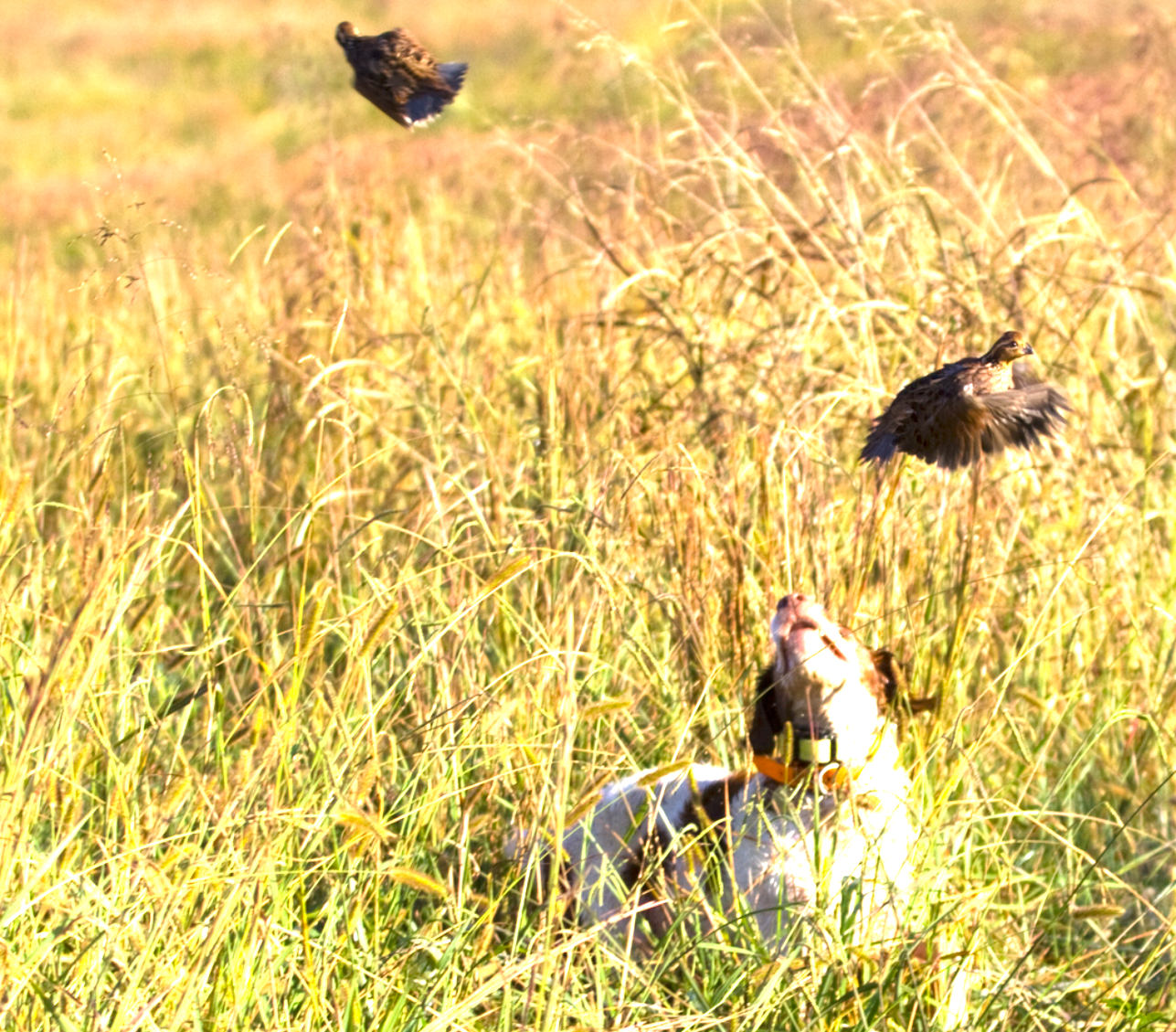
Reading about chukar hunting is one thing. Walking the terrain and hearing that sudden rush of wings is another. The real lessons come when you move through the hills, watch a dog lock onto scent, and prepare for the quick moment when a covey lifts into the air.
High Rock Preserve offers hunters the chance to experience this challenge in a setting designed for authentic upland hunting. Rolling ground, managed habitat, and strong flying birds create the kind of conditions that reward patience, good shooting, and teamwork with your dog. Guided hunts provide helpful support for those learning the sport, while self guided outings allow experienced hunters to work the land at their own pace.
More than anything, a day in the field is about the experience. The steady climb over open ground. The quiet anticipation before a flush. The stories shared after the hunt is done.
Gather your gear, bring your dog, and step into the kind of hunt that tests your skill and rewards your effort. Book your next hunt and spend a day where the land, the birds, and the adventure come together. Get Outdoors!!!
Frequently Asked Questions
Here’s the quick stuff: why chukars hide on steep slopes, how much hiking you’re in for, and how to stay cool when birds vanish. Just some real-world tips you can use.
Do chukars come with a built-in GPS or why can't I ever find them?
Nope, no GPS. Chukars use rocks, cover, and steep slopes to stay hidden.
They’ll freeze or slip into cracks when you get close, so move slow and scan those ledges.
Is chasing chukars considered a workout, and can I skip leg day?
Absolutely—it’s a workout. Steep climbs, fast bursts, uneven ground.
Hunt chukar often and you’ll never skip leg day again; strong calves and stamina help a ton.
Why do chukars like to play 'the floor is lava' on steep slopes?
Steep slopes give chukars escape routes and a good view of danger.
Their feet and balance are built for rocks, so they use cliffs and ledges to hide and launch away.
Are chukars auditioning for 'Survivor: Wilderness Edition' given their elusive nature?
They’re not auditioning, just surviving. Chukars evolved to be sharp, quick, and wary.
You can’t predict them—reading terrain, wind, and bird behavior works better than hoping for luck.
If I whisper sweet nothings, will a chukar reveal its hiding spot?
Whispering won’t help. Chukars only react to sounds that mimic birds or dogs.
Training a good pointing dog or using calls that sound like quail or chukar works way better than sweet talk.
How do chukar hunters keep their chill when these birds are basically feathered ninjas?
Plan your route, pace yourself, and focus on steady breathing to keep calm.
Pack layers, plenty of water, and a few snacks. Take your time with slow, quiet glassing—honestly, patience usually wins out over panic.
High Rock Preserve has guided and self-guided upland hunts where you can test these skills on actual fields and some pretty wild terrain.
Reserve Your Presence in the Preserve
Join us at the preserve and step into the fields to lose yourself in the perfect scene of adventure, relaxation, and lasting memories.
Book Your High Rock Upland Escape
