
%201.png)

%201.png)




Upland Hunting Tips For Windy Days That Still Produce
Wind can turn a promising hunt into a long, empty-handed trek. You wake up early, the fields look perfect, and then a 25 mph gust sweeps across the field, scattering birds and all your expectations. Every upland hunter hits this wall eventually. The ones who still fill their vests on windy days are not just lucky. They have learned to adapt.
Wind does not end upland hunting. It just changes the rules. Once you figure out those rules, you can actually use the wind to your advantage.
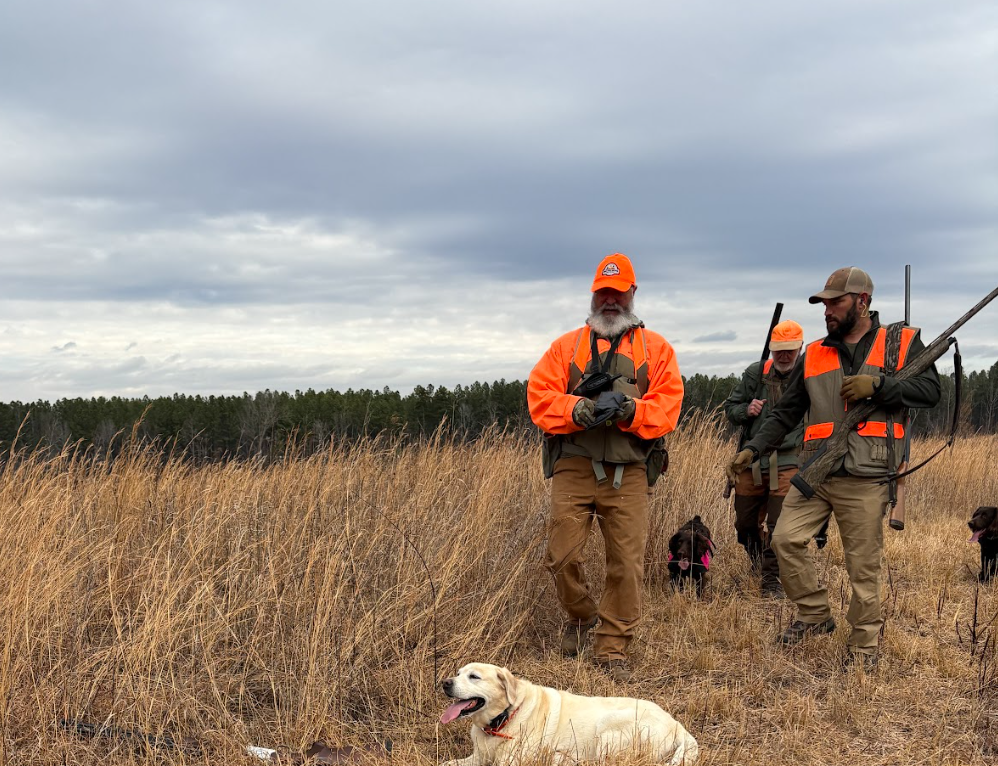
The birds are still out there when the Carolina pines whip and the tall grass bends sideways. Pheasants, quail, and chukar all react to wind in ways you can predict if you pay attention. They hunker down, pick their shelter, and sometimes get downright sneaky. Your job is to read those patterns and put yourself where the birds want to be, not just where you wish they would be. Whether you are solo, with a crew, or working a dog, these tips will help you make the most of a blustery day.
When the wind kicks up in Lexington, our sheltered draws and shelter belts still hold birds, and our guides know exactly where they tuck in. Come see for yourself and book a guided upland bird hunt.
How Wind Changes Bird Behavior
Wind scrambles a bird's daily routine. Pheasants and quail depend on their senses to stay alive, and strong gusts throw those senses out of whack. Hearing gets muffled, scent scatters, and open ground suddenly feels too risky. Birds make deliberate choices about where to wait out the wind.
Why Birds Hold Tighter Or Run Ahead
On calm days, birds flush at a comfortable distance because they hear you coming. But when the wind howls, that early warning system fizzles. A rooster in thick cover might not notice you until you are right on top of him, so he will sit tight, trusting the cover.
Get into sparse cover, though, and the script flips. Birds feel exposed and will run ahead, staying just out of range, hugging the ground, and using the wind to their advantage. It is frustrating, and sometimes you swear they are part ghost.
So what is the play? Thick, sheltered cover means tight-holding birds. Open, thin ground means runners. Adjust your pace and expectations before you even step off the truck.
How Gusts Affect Scent, Sound, And Visibility
Scent takes the biggest hit on a windy day. A bird's scent cone, the drifting plume that tells your dog where to look, gets shredded by gusts. Your dog might pick up scent from 80 yards on a calm morning, but struggle to find that same bird at 20 yards when the wind is swirling.
Sound is a mixed bag. Wind hides the noise of your boots, which can help you get closer. But it also drowns out your whistle, your voice, and even your dog's bell. Suddenly, communication gets tricky.
Visibility suffers too. Blowing grass and dust can make it tough to follow a flushed bird, spot your dog on point, or even keep track of your hunting partners. You will need to keep all these factors in mind, because if you ignore one, you will pay for it.
Reading Terrain For Better Setups
Windy days are a giant terrain puzzle. Birds are looking for places where the wind cannot reach them. If you can spot those windbreaks and sheltered pockets, you are halfway there.
Leeward Slopes, Shelter Belts, And Field Edges
The leeward side of a hill, the side away from the wind, is a classic bird hangout when it is rough out. Pheasants and quail will slip over a ridge or down a slope to get out of the blast. If you are in rolling country, hit those protected hillsides first. Birds stack up there in ways you just will not see on calm days.
Shelter belts, those long rows of trees along field edges, are magnets. Dense cedars or cottonwoods cut the wind, and birds pile into the grass and brush along those lines. Walk parallel to shelter belts with the wind at your face or side, never straight at your back.
Field edges where tall grass meets crops or brushy fences are worth working too. Birds love those transitions. They offer quick escape and a sense of safety from the howling wind.
Where Birds Hide In Grass, Brush, And Timber
Inside a field, birds do not spread out evenly when the wind is up. They cluster. Look for low spots such as dry creek beds, ditches, brushy draws, and cattail edges. Even a shallow drainage ditch can hold a pile of pheasants on a nasty afternoon.
In timber, birds push into the thickest brush on the downwind side of the woods. They want overhead cover and dense brush to muffle the gusts. In upland cover, tight thickets and laurel runs are far more productive on windy days than open hardwoods.
Think of birds as searching for the warmest, quietest corner of the landscape. Where the wind cannot find them, that is where you want to be.
Adjusting Your Walking Strategy
How you move through a field matters a lot. Wind changes everything about spacing, pace, and approach. Stick to your calm-day habits, and you will miss birds.
When To Slow Down And Tighten Your Pattern
Speed kills your odds in heavy wind. Birds hold tight, and if you are hustling, you will blow right past them. Slow down. Give your dog more time to work scent, and give yourself time to read the cover.
Pull your group in tighter. On calm days, you can spread out. In the wind, that just creates gaps for birds to slip through. Cut your lane width, work closer, and cover less ground but do it thoroughly. A slow, careful push through a half-mile of good cover beats a rushed sweep of two miles of open ground every time.
Stop often. Just pausing for 15 to 20 seconds can spook a nervous bird into flushing instead of running.
Approaching Cover With The Wind In Mind
Walk into the wind whenever you can. It is a simple rule, but on windy days it is gold. Your dog catches scent drifting toward you, not away. You also sneak up on holding birds without your noise carrying.
When you hit a sheltered spot such as a brush pile, ditch, or the downwind side of a shelter belt, circle around so you are walking into the wind as you enter. This gets more birds in the air in front of you, not behind or off to the side. If the wind is a crosswind, position your buddies to cover likely escape routes.
Working Dogs In Tough Conditions
A good bird dog is worth their weight in gold on a windy day, but even the best get challenged. Scent changes by the minute, and a dog that is a rock star in calm weather can look confused when the wind is swirling. The difference is often how you help your dog, not just how hard they work.
Helping Pointing Dogs Handle Blown-Out Scent
Pointing dogs need a steady scent cone to work. In heavy wind, that cone fractures and shifts. Your dog might lock on to where a bird stood two minutes ago, but the bird is long gone.
Keep your dog working into or across the wind, not with it at their back. A dog quartering downwind will overrun birds or miss them because the scent hits after they have passed. Cast your dog into the wind, keep those casts tighter, and let your dog work slowly when they hit a scent pocket.
If your dog false-points or breaks early, do not blame them. On windy days, birds move fast and scent is wild. Work the area your dog showed interest in and give them another shot before moving on.
Managing Flushers When Birds Get Wild
Flushers face a different headache. Pheasants that might hold for a Lab or Springer will run hard, flushing out of range before you are ready. It is tempting to let your dog speed up, but that usually just makes things worse.
Keep your flusher close, no more than 25 to 30 yards in heavy wind. If your dog usually ranges way out, rein them in. This way, when a bird finally flushes, you have actually got a chance at a shot instead of watching it rocket away.
Work toward the downwind edge of cover if you think birds are running. Set up so when they hit the edge, they have to flush or get cornered. It is one of the few ways to get a shot at a runner on a tough day.
Shot Selection And Safety In Strong Wind
Wind messes with every shot. What feels like a routine crossing shot on a calm day can turn into a nightmare when a gust shoves the bird sideways. Safe gun handling and good shot choices matter even more when the wind is roaring.
Leading Crossing Birds In Gusty Air
Crossing shots in wind need more lead, sometimes a lot more, especially if a gust is pushing the bird. A pheasant with a tailwind moves faster than you think. Most hunters shoot behind these birds.
The fix is to give more forward allowance than you would on a calm day when a bird is riding the wind. If the bird is fighting a headwind, it will be slower and might need less lead. Watch the bird for a beat before you mount your gun rather than just trusting your instincts.
And do not forget your stance. Widen your feet a bit to brace against gusts. A narrow stance can throw you off balance right when you squeeze the trigger.
Maintaining Safe Communication In Noisy Cover
Wind drowns out voices. You might not hear your buddy call out, and safe shooting zones can shift without warning. Dog commands can vanish in the noise.
Before you get into cover, agree on some simple hand signals. Set clear zones of fire and review them every time you change direction or hit new cover. Try to keep eyes on every hunter in your group, and if you lose sight, just stop until you can see everyone again.
Carry a loud whistle, since it cuts through wind better than yelling. One blast to stop everyone is a habit that can save you from a close call on a noisy, wild day.
Gear, Ethics, And A Better Day Afield
The right gear will not magically turn a bad day good, but it keeps you comfortable, focused, and safe long enough for the good moments to happen. On a windy upland hunt, that means dressing smart, protecting your senses, and knowing your limits. Sometimes the fairest thing is to call it and come back when the wind has calmed down.
Clothing And Eye Protection For Rough Weather
Layering is really the name of the game when it comes to dressing for wind. Start with a base layer that pulls sweat away, add something warm in the middle, then top it all with a windproof shell. That combo keeps you comfortable even when a cold October gust slices across a wide-open field. Down here in North Carolina, crisp mornings can turn downright raw if a November front rolls in, so we always toss a light, packable wind jacket in the vest just in case. It is a habit worth picking up.
Wind kicks up more than just a chill. Your face and eyes catch everything flying, from dust to seeds to bits of chaff. Never skip safety glasses, especially on blustery days. Shooting glasses with polycarbonate lenses, amber or clear, do the trick for different light. You will thank yourself when the wind is whipping and a covey blows up in your face.
Do not forget your ears. Electronic hearing protection lets you hear your buddy and the birds, but takes the edge off gunfire. The funny thing is, wind can drown out the sound of a flush, but a good set of muffs actually helps you pick up those faint wingbeats by cutting down the background roar.
Knowing When Conditions Stop Being Fair Or Safe
Sometimes the wind just gets out of hand. If it is so strong that birds flush wild, way out of range, you are not hunting. You are just stirring things up and burning birds. That is not fair to the birds or the land.
When gusts climb past 30 to 35 mph, it is more than just tough hunting. You cannot hear each other, flying debris stings your eyes, and tired birds struggle to land safely. Folks who hunt our fields in Lexington know that sometimes the best move is to pack it in early and come back when things settle down. It is just good sense. If you want to spread out and stretch a stay, our private land rentals near Charlotte give a group room to hunt at its own pace.
Trust your gut. You will almost always have a better, safer hunt if you wait for the wind to die down, maybe grab lunch or a nap, and get back out there in the afternoon. No bird is worth risking a mess.
Windy or calm, our 330 acres of managed cover in Lexington give quail, chukar, and pheasant somewhere to hold and give you a real shot at a full vest. Experience the land and embrace the adventure by reserving your day of upland hunting.
Frequently Asked Questions
Are windy days good for pheasant hunting?
Honestly, windy days can be great if you tweak your approach. Birds pile into sheltered cover, so you can find them bunched up in spots that make sense to work. Hunt into the wind, stick to places that break the gusts, and you will find birds that might otherwise be scattered.
How does strong wind affect pheasant movement and behavior?
When it is howling, pheasants bail on open ground and tuck into draws, ditches, shelter belts, and thick brush. The wind messes with their hearing, so they tend to hold tight in the thick stuff, but if they are caught out in the open, they will run, sometimes fast and far.
Where do pheasants typically hold on windy days?
They are looking for the lowest, thickest, most protected places around, such as cattail sloughs, brushy creek bottoms, the downwind side of a hill, or the heavy grass at the edge of a shelter belt. Anywhere the wind dies down at ground level, you will probably find a bird or two hunkered in.
What hunting approach works best when birds are running with the wind?
Work toward the downwind end of the cover. That way, birds cannot just keep sprinting ahead forever, because they will hit a fence, a ditch, or some other barrier. Set up hunters at the downwind edge and move slow and steady. You want to push them gently, not blow them out wild.
How should you adjust dog handling and quartering patterns in heavy wind?
Keep your dog working into or across the wind, but do not let them range too far. Tighten up those casts and work the dog closer in than you would on a calm day. The wind scatters scent everywhere, so keeping things close gives your dog a real shot at pinning down those tricky birds.
What gear and clothing choices help maintain accuracy and comfort in high winds?
On those blustery days, nothing beats a good windproof shell, and you will thank yourself when the gusts start howling across the field. A pair of sturdy shooting glasses keeps grit and stray bits from stinging your eyes. Electronic hearing protection matters too, because wind can whip up a racket and you do not want to miss the subtle sounds that count. Standing with your feet a little wider gives you a steadier base when a sudden gust tries to throw you off. And do not forget a snug, well-fitted hat, because chasing your cap across muddy grass while you are trying to focus on the shot is no fun at all.
Reserve Your Presence in the Preserve
Join us at the preserve and step into the fields to lose yourself in the perfect scene of adventure, relaxation, and lasting memories.
Book Your High Rock Upland Escape
