%201.png)

%201.png)




RV Camping In North Carolina: Where To Stay And Why
If you want to camp with your RV in North Carolina, you have a lot of ground to cover. The state runs from the Blue Ridge Mountains to the Atlantic coast, so you can pick between mountain air, sandy beaches, or a quiet lakeside spot in the middle.
There is a wide range of places to park a rig here, from full-hookup RV resorts to simple national forest sites. With well over a thousand campgrounds across the state, it pays to think about the kind of trip you want, the region that fits your plans, and how much privacy you need.
You can search by region for public and private campgrounds. If you want something quieter, though, a private land rental is worth a look. Booking directly with a private host often gets you more space and more flexibility than a public campground can.
Trade the crowded loop for room to breathe. See how a private land rental near Lexington gives your group 330 acres of Piedmont countryside to camp, ride, and spread out.
How To Choose The Right RV Stay
Finding the right RV site in North Carolina is about more than grabbing an open spot. The hookups, the state of the bathhouse, and how close your neighbors sit all shape the trip.
What Full Hookups And Site Access Really Mean
Full hookups usually mean electric, water, and sewer right at your site, which lets you skip dump station trips and makes longer stays easier. Some parks advertise full hookups but only offer electric and water, with a shared dump station for sewer, so always double-check what is included before you book. Pull-through sites help a lot with a long rig, especially in mountain campgrounds where backing in can be tricky.
Why Bathhouse And Clean Bathroom Quality Still Matters
Even if your RV has its own bathroom, a clean bathhouse is a real plus on a longer trip. Hot showers and well-kept facilities say a lot about how a campground is run. When you read reviews, focus on recent comments about bathrooms and showers, since things can change quickly from one season to the next.
Privacy, Noise, And Crowding On Different Property Types
Tent and RV campers often share the same campground, but the noise and traffic can feel very different. If you want peace and quiet, look for places with clear quiet hours or separate zones for tents and RVs. A private land rental changes the equation entirely. You get the whole space to yourself, which is ideal for families or groups who want to spread out.
Best Regions For Different Trip Styles
North Carolina has three main camping regions, and each has its own feel. The mountains bring cooler weather and outdoor adventure, the coast is all about the beach, and the Piedmont is an easy middle ground for shorter trips.
Mountains For Cooler Weather, Hiking, And Biking
The mountains run cooler than the rest of the state, which is a gift in summer. The high country is full of hiking trails, mountain biking, and scenic drives. RV sites up here often have size limits, and many will not take rigs over 30 or 35 feet because of tight turns and steep grades, so check length restrictions before you go.
Coastal Parks For Beach Access And Fishing
The Outer Banks and other coastal campgrounds draw folks who want to fish, walk the beach, and unwind. These sites fill up quickly in summer, especially around holidays. Fishing, kayaking, and paddleboarding are all popular along the coast, and some campgrounds sit close enough to the water that you can hear the waves from your site.
Lakes And Piedmont Stops For Easy Weekends And Road Trips
The Piedmont sits between the mountains and the coast, which makes it a handy base for road trips and weekend getaways, usually at more reasonable rates than the busy mountain and coastal parks. High Rock Lake near Lexington is a good spot for fishing, boating, and waterfront time. If you are traveling along I-85 or just want a central location, the Piedmont gives you a lot without long drives.
Types Of RV Stays To Compare
North Carolina has everything from family-friendly RV resorts to quiet state parks and small independent campgrounds. Knowing what each type does well helps you match a stay to your trip.
RV Resorts And Family Campgrounds
Larger RV resorts tend to offer the most amenities: full hookups, pools, playgrounds, planned activities, and events that keep kids busy. They are a good fit if you want a lively, all-in-one base near the coast, a city, or a major travel corridor. Smaller family campgrounds trade some of the amenities for a quieter, more personal feel, and many draw the same visitors back year after year.
North Carolina State Parks Worth Considering
State parks are a solid choice for a scenic, no-frills stay, and the best sites book up months ahead through the state reservation system. Most state park sites have electric and water hookups, with a few offering full hookups, and many mountain parks cap RV length at 35 feet or less. Look for parks near a lake, the coast, or a mountain for the setting you want, and reserve early for summer and fall weekends.
Pet-Friendly And Niche Campground Picks
Some campgrounds cater to specific travelers. Pet-focused parks welcome dogs almost everywhere and build in fenced areas and wash stations. Others sit right on the parkway for mountain travelers, offer budget coastal sites near the sand, or focus on river settings and park access. If you are traveling with pets or want a particular setting, a quick search on those terms turns up the right niche fit.
When A Private Land Rental Makes More Sense
Sometimes you do not want to share a campground with dozens of other RVs. A private land rental gives you more space, more quiet, and more flexibility over how you use the day.
Group Gatherings, Extra Space, And Flexible Use
Traveling with a group can be tough at a regular campground, where sites are scattered and rules are tight. A private rental lets everyone stay together, with room for several RVs, vehicles, and gear in one place. Many private rentals include the basics of a good campground, like a covered shelter, a bathroom, a shower, a fire pit, and WiFi, but all to yourselves.
Why Some Travelers Prefer Private Property Over An RV Resort
Privacy is the big reason folks look for private land. You skip the noisy neighbors and the crowded loops. Private land also suits travelers who want to bring extra gear, go hiking and ATV riding, or bring horses and dogs along. You can do more of what you actually came to do, without the usual campground restrictions.
A Piedmont Base Near Lexington For Outdoor Recreation
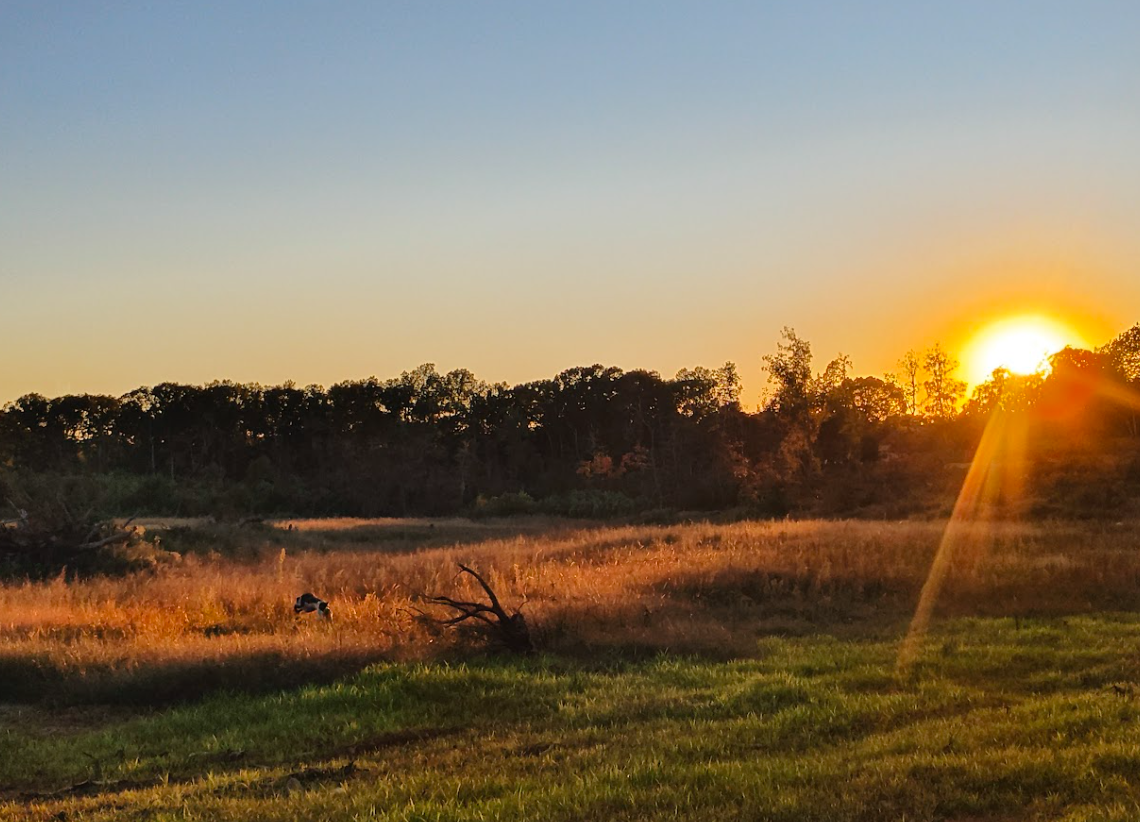
Here at High Rock Preserve, we offer a general land rental near Lexington that gives your group access to 330 acres of private property. You will have a heated and cooled pole barn with a bathroom, shower, WiFi, and a fire pit, plus room for RVs and campers. The land itself takes in hills, forest, fields, wetlands, and scenic overlooks. Bring your ATVs, bikes, horses, and dogs and make use of the space. If you want a private, uncrowded base in the Piedmont, you can check details and dates for our private land rental in Lexington, NC.
Planning, Booking, And Seasonal Tips
A little planning goes a long way toward a good RV trip in North Carolina. Booking early, packing for the weather, and matching your site to the activities you care about all help.
Best Times Of Year To Reserve
Spring and fall are the sweet spot for most North Carolina campgrounds, with mild weather, lighter crowds, and better rates than summer. Mountain campgrounds book up fast for summer weekends and holidays, sometimes six months out. Coastal parks fill quickly in July and August. Piedmont campgrounds are easier to book year-round, except for fall foliage weekends.
What To Pack For Mountains, Coast, And Piedmont Weather
Each region calls for its own packing list. In the mountains, bring layers even in summer, since nights get chilly and afternoon storms roll through. On the coast, pack sunscreen, bug spray, and tie-downs for windy days, and rinse gear after the beach to keep rust off. In the Piedmont, summers run hot and humid, so a good fan or extra AC earns its keep, while spring and fall stay comfortable with light layers.
How To Match Nearby Activities To Your Campsite
If you want to fish, look for a site near a lake or the coast. If biking is the draw, aim for the mountains. Families after a relaxed weekend often find Piedmont stays are close to towns, lakes, and easy hikes. Choosing a site near the activities you care about means less time driving and more time actually enjoying the outdoors.
Ready to skip the crowds on your next trip? Check dates and plan a private RV-friendly stay at High Rock Preserve, and enjoy the best of North Carolina's outdoors with room to yourself.
Frequently Asked Questions
What should I look for in a state park with full hookups?
Many North Carolina state parks offer sites with electric and water hookups, and a handful have full hookups with sewer. Popular lakefront and coastal parks are the most likely to have them, though mountain parks often limit longer rigs. Reserve early, especially for weekends in summer and fall, since the best sites go months ahead.
Do I need reservations in peak season, and how far ahead should I book?
Yes, reservations are strongly recommended. State parks and popular campgrounds can fill up six months or more ahead for summer weekends and holidays. Coastal and mountain parks are the most competitive, so book as early as you can. If you would rather not race the calendar, a private land rental usually has more give.
Are there restrictions on RV length or height in the mountains?
Often, yes. Many mountain campgrounds limit RV length to 30 or 35 feet because of narrow roads and tight sites, and some mountain roads and tunnels have height limits too. Always check a campground's posted limits if you are running a larger rig.
Where can I find RV-friendly camping near the coast?
The North Carolina coast has plenty of RV-friendly options, from full-hookup resorts near the Outer Banks to quieter, wooded state park sites closer to the mainland. Coastal campgrounds fill up fast in summer, so book early. If you would rather base inland and take day trips, the Piedmont keeps you central without the coastal crowds.
What are the rules about generators, quiet hours, and campfires?
Most North Carolina campgrounds set quiet hours between 10 p.m. and 7 a.m., and generator use is usually restricted during those times. Campfire rules change with the site and the season, and some places ban fires during dry spells, so check current conditions before you go. Every campground, whether a state park, a private park, or a national forest site, has its own guidelines, so read the details when you book.
What should I know about North Carolina weather and hurricane season?
Weather can turn quickly in North Carolina, so plan ahead. Hurricanes are a real concern along the coast from June through November, so if you are camping near the water in that window, check forecasts often, keep your plans flexible, and know the campground's cancellation policy. The mountains can throw surprise snow in early spring or late fall, and summer brings quick afternoon thunderstorms statewide. The Piedmont usually has the steadiest camping weather, which is one more reason a Lexington-area base makes an easy trip.
Reserve Your Presence in the Preserve
Join us at the preserve and step into the fields to lose yourself in the perfect scene of adventure, relaxation, and lasting memories.
Book Your High Rock Upland Escape
