
%201.png)

%201.png)




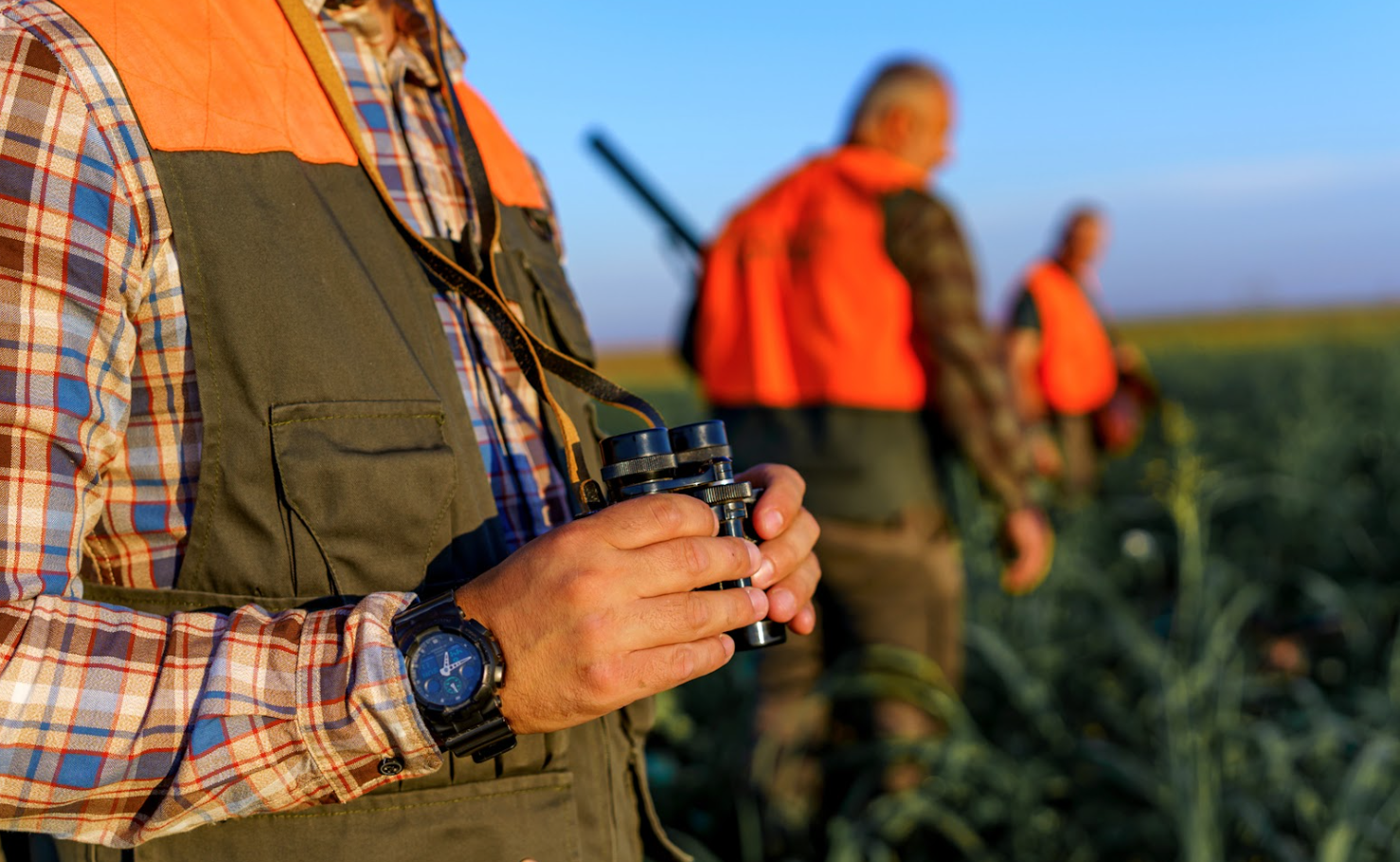
How Weather Affects Quail Movement Across Seasons
Quail do not run on a clock. They pay attention to the sky, maybe more than we do. If you have walked a field at sunrise and found birds right where you figured, then returned after a cold front and saw nothing, you already get how much weather stirs the pot. Sometimes it feels like the birds vanish into thin air, and honestly, they kind of do.
The dance between weather and quail movement is one of those patterns you start to pick up if you spend enough time outside, whether you are hunting, running dogs, or just watching birds work a hedgerow. Once you start reading the sky the way you read the ground, your days in the field get a whole lot more interesting.
Weather shapes nearly every part of a quail's routine. When they leave the roost, how far they will risk traveling for a snack, and how close they hug to cover are all tied to what is happening above. Temperature, wind, humidity, and barometric pressure all play their part. The Southeast is a great place to see this in action, with weather that swings from muggy to bone-chilling, sometimes in the same week.
Let us dig into the real-world side of how weather steers quail. If you are planning a hunt at our preserve in Lexington or poking around public land, knowing what the birds are up to when the weather shifts gives you a leg up.
Reading the weather is a lot easier when the ground is already managed for birds. Come chase coveys on our 330 acres near Charlotte and book a guided quail hunt with us.
Why Conditions Shape Daily Travel
Weather is like a daily volume knob for quail. Cold snaps shrink their world, wind drives them deep into cover, and shifts in pressure before a front can make birds restless or pin them down, sometimes both, depending on timing.
Temperature Swings And Energy Use
Quail are tiny, with fast-burning engines. When the mercury drops, they burn through calories just to keep warm. That means they need to eat more, but traveling far in the cold puts them at risk, since every extra step is a trade-off between finding food and staying safe from hawks or foxes.
On bitter mornings, coveys hunker near their roost and feed close instead of wandering out to open spots. You will notice the gap between where they sleep and where you find them feeding shrinks when it is cold. On those mild, sweatshirt-weather days, say 45 to 60 degrees, quail have the energy to roam a bit, so you will see them covering more ground at dawn and dusk.
When the weather swings wildly, like a warm spell suddenly turning to a hard freeze, quail can act downright unpredictable for a day or two. Sometimes they stay locked in cover, almost as if they are waiting to see what happens next.
Wind Exposure And Preferred Cover
Wind does not get enough credit for how it changes quail behavior. Even a steady breeze makes birds avoid exposed ridges and open field edges where you would normally find them.
When the wind picks up, quail look for places where grass and brush break the gusts at ground level. Draws, creek bottoms, the downwind side of a brush pile, or a thick patch of native grass all become prime real estate. The birds hold tighter, which means your dog might get closer before a flush, but the scent also gets tricky.
Windy days can make scenting a headache for dogs. The air swirls, and the scent trails break up. If your dog seems to be working twice as hard for half the finds, you are not imagining it.
Barometric Changes Before And After Fronts
Watching the barometer is sometimes more helpful than checking the thermometer. Right before a cold front, quail often get busy. They feed harder and roam wider, almost like they know they need to stock up before things get rough.
After the front moves through and pressure jumps, birds usually clamp down for a day or so. Coveys barely move, feed lightly, and stick to the thickest brush they can find. Once the pressure steadies, they loosen up again and go back to more regular routines.
Honestly, a basic weather app that shows pressure trends can be a better tool than one that just spits out temperature and rain chances.
How Quail Use Cover In Different Conditions
Quail are always juggling two things: finding enough to eat and not getting eaten themselves. Weather tips that balance, sometimes pushing them deep into shelter, sometimes tempting them out to feed.
Grass Edges During Calm Mornings
After a calm, cool night with barely a breeze, quail usually slip out from their roost early and work along grass edges next to open spots. Those transition zones, where tall grass meets short field, are like a breakfast buffet with an emergency exit. Birds can snack on seeds and bugs while keeping a quick escape route handy.
On these easy mornings, coveys spread out and feed actively. That is when dog work feels smooth, because the birds are where you would expect, moving in predictable ways, and holding just long enough for a good point.
Brushy Shelter On Harsh Weather Days
When it is cold, windy, or wet, quail pull way back from the open and bury themselves in the thickest cover they can find. In the Southeast, that is often broomsedge, brushy creek drains, overgrown fence lines, or the tangled borders of pine stands.
Walking the usual field edges on rough days can feel pointless. The birds are still around, just tucked away in places you might not think to look. Focus on the thickest, most protected brush, and slow your dog down, because tight, careful work pays off here.
Feeding Lanes Near Escape Habitat
Quail almost never feed far from cover, no matter the weather. The best spots are low, open lanes running alongside patches of brush or grass, like hallways with safety doors on both sides.
In steady weather, birds use these lanes freely. When things get dicey, they hug the edge even tighter. Scouting out these feeding lanes ahead of time is worth the effort, because birds come back to them again and again.
Seasonal Patterns In The Southeast
The Southeast stretches out quail season longer than most places, with wild swings in weather. Birds have learned to roll with it, and their patterns shift as the months tick by.
Early Fall Covey Behavior
By early fall, coveys have formed and started claiming their patch of ground. The weather is still all over the place, with warm afternoons and cool mornings, sometimes in the same day.
Early in the season, birds move most in the first couple of hours after sunrise and right before dark. Midday hunts in September and October are usually a bust, because the heat keeps them in the shade. Cooler mornings after a chilly night are your best bet. Coveys are not locked into winter survival mode yet, so they range wider and use more of the landscape.
Winter Movement On Cold Clear Days
Cold, clear days after a front passes are some of the best for watching quail move. The sky is blue, pressure is high, and birds start working out from heavy cover as the day warms up, usually between 10 and 2.
Coveys that sat tight during the front stretch their legs as soon as the sun bumps the temperature into the 40s. These midday windows can be magic if you hit them right. When it is cold, clear, calm, and pressure is rising, you are in for classic, predictable quail movement.
Spring Pairing And Nesting Shifts
By late February and into March, coveys start breaking up. Pairs form, and birds get focused on nesting. Weather still matters, but the patterns change.
Rainy, cool springs can slow down pairing and nesting. Warm, dry spells in late winter speed things up. By April, most birds are already on nests, and covey movement is mostly a memory. Seeing single birds or pairs instead of big flushes is your cue that spring has arrived.
What Hunters And Dog Handlers Should Watch For
Reading the weather in the field is a skill that grows with time. A few things seem to separate folks who find birds from those who come home empty-handed.
Reading Scenting Conditions In Dry And Damp Air
Scenting is all about humidity and ground moisture. After rain or a heavy dew, scent lifts off the ground better, and dogs work more efficiently. Birds that are ghosts on a dry day suddenly become easier to pin down when the air is damp.
Dry, windy days are tough. Scent scatters and vanishes fast. On days like that, working your dog into the wind is even more important, and slowing down helps the dog process faint scent. A downpour washes scent away, and birds hunker so hard you might flush them before the dog even locks up.
Adjusting Walking Routes After Rain Or Frost
After a big rain or hard frost, birds move. Wet ground pushes quail out of low spots and into higher, better-drained cover. So if you are used to finding them in creek bottoms during dry spells, check the uplands after a rain.
When frost burns off, birds leave shelter pretty quickly if the sky is clear and wind is calm. Walking a little later in the morning, after the frost lifts, puts you on birds already moving, not ones still tucked in tight. Sometimes just waiting 30 minutes makes all the difference.
Timing Hunts Around Morning Warmups
The shift from cold night to warming morning is one of the surest triggers for quail. Birds do not leave the roost until moving around will not cost them more than they will gain from breakfast.
So on cold mornings, the best action often starts 45 to 90 minutes after sunrise, not right at first light. That is different from warm-weather hunts, where birds get going sooner. Adjusting your start time can turn a slow morning into a productive one.
Safety, Ethics, And Habitat Awareness
Taking care of the birds, your dogs, and the land is honestly the heart of ethical quail hunting. Weather can make all three more vulnerable, and it is on us to pay attention.
Avoiding Pressure During Stressful Weather
When the weather is rough, quail use extra energy just to get by. Pushing birds hard during extreme cold, heavy rain, or high winds can tip the scales against them. A covey that flushes and scatters in bad weather burns energy it might not get back, making it easier pickings for predators.
Sometimes it is best to give the birds a break on the nastiest days. That is not just good ethics, it is good for the future of hunting. The healthiest populations are the ones where hunters ease off when nature is already making things tough.
Respecting Working Dogs In Heat And Cold
Your dog feels the weather even more than you do. Early fall heat is especially rough, so watch for heavy panting, stumbling, or a dog that just does not want to go on. Those are warning signs. Stop, give them water and shade, and do not push it.
Cold weather brings its own risks. Wet dogs in the wind can get hypothermia faster than you would think, especially if they have thin coats. Carry a dry dog coat, check their paws for ice or cuts, and keep an eye out for shivering.
Supporting Healthy Quail Ground Year Round
Quail that thrive in tough weather usually live in good habitat. Dense bunch grasses, scattered brush piles, native shrubs, and food plots are like an insurance policy for coveys. Supporting landowners and conservation groups who keep this kind of cover on the ground is one of the best ways to keep quail country alive.
We put a lot of effort into habitat management that accounts for weather stress, mixing up cover types and keeping food close to escape cover. You can see how that wildlife management and conservation work shapes the land during a visit, and it is the kind of long-term thinking that keeps quail populations strong.
Practical Field Takeaways
Turning weather smarts into better days outside really comes down to a handful of honest habits and being willing to adapt.
Simple Signs Birds Have Shifted Overnight
Ever show up at a spot you just knew would be loaded, only to find it eerily quiet? Do not just shrug and move on, because there is almost always a story written in the dirt and grass. Fresh droppings tucked under tangled plum thickets, a scatter of feathers on the edge of a weedy draw, or crisp tracks pressed into muddy ground all whisper that birds were here, probably not long ago. You can usually tell which way they wandered if you look close. If the wind swung around overnight or a cold front barreled through, try poking around the leeward side of thick cover or down in the low, sheltered spots. Birds rarely just vanish. They shift and adapt, always looking for a little more comfort and safety.
Common Weather Mistakes Beginners Make
A lot of folks get hung up on thermometer readings and forget about what pressure and wind are doing. We have lost count of the bluebird days that felt perfect but, thanks to a falling barometer and a stiff southwest wind, turned out to be dead quiet for bird movement. Another classic rookie move is marching the same loop every hunt, no matter what the sky is doing. Birds notice the weather, and they change their habits faster than we do. And walking straight into the rising sun on a frosty morning is a good way to spot nothing but your own squinting reflection.
Building Better Expectations For Each Outing
No one gets into the field expecting a limit every time. The best hunters we know check the last couple of days of weather, pay attention to the season, and let that shape their hopes. That way, they are not surprised or frustrated if birds hunker down or vanish for a bit. Keeping a beat-up pocket notebook for years, jotting down things like "front came through, birds right along creek midday" or "calm and warm, coveys scattered," turns those scribbles into a map of patterns that no phone app can match. It is not magic, just paying attention and letting the land teach you.
Weather will always have the last word, but managed cover and food close to escape habitat tilt the odds your way. Experience the land and embrace the adventure by planning a quail hunt on our managed ground.
Frequently Asked Questions
What temperatures cause quail to reduce their daily activity?
Quail start clamming up when temperatures dip below freezing, especially if there is wind cutting through. They do not like burning extra calories for no good reason, so they will stick close to thick cover and roost spots until things ease up. You will see their daily wanderings shrink to almost nothing on those bitter mornings.
Where do quail go during heavy rain and thunderstorms?
During a good soaking or a thunderstorm, quail hunker down in the thickest, brushiest cover they can find, such as tangled thickets, tall grass, or the sheltered side of a cedar patch. They basically freeze in place and wait it out. Once the rain lets up and things calm down, you will often spot them slipping out to feed, sometimes surprisingly fast.
How does snowfall change quail feeding and roosting patterns?
Snow throws a real wrench in things for quail. Seeds get buried and ground food is tough to reach, so they start searching for spots where the wind has swept the snow away or where tall grass pokes through. Roosting gets more serious too, since they will bunch up tight, forming a little circle to keep warm. Long stretches of deep snow are some of the hardest times these birds face all year.
Do quail fly more or less in windy conditions?
Quail would much rather run than fly, and a howling wind just makes that more true. Flying in strong wind is tough for them, even dangerous, so they dig in and hold tight in cover. If they do flush, it is usually a short, wild burst, not the graceful glide you see on calm days.
How do rapid pressure drops before a storm affect quail movement?
When the barometer nosedives ahead of a storm, you will sometimes catch quail feeding like there is no tomorrow. It is as if they sense rough weather coming and want to fill up before hunkering down. That window before the storm can be dynamite for hunting, with birds up and moving, covering ground. But once the storm hits and the pressure bottoms out, everything goes still. Quail vanish into the thickest cover and stay put till it blows over.
What winter shelter features help quail stay active in cold weather?
If you have ever watched a covey of quail huddled beneath a tangle of brush on a frosty morning, you know they are experts at finding just the right shelter. What really works for them in winter is a mix of layers: a leafy overhead canopy from shrubs or low branches, thick grass at ground level for warmth and a cozy roost, and, maybe most importantly, food close by so they do not have to venture far in the cold. Native bunchgrasses, brushy fence lines, and old broomsedge patches near a food plot turn into bustling winter hangouts for quail. These layered hideaways let the birds stay active, even when the wind bites and the world goes quiet under a gray sky.
Reserve Your Presence in the Preserve
Join us at the preserve and step into the fields to lose yourself in the perfect scene of adventure, relaxation, and lasting memories.
Book Your High Rock Upland Escape
