
%201.png)

%201.png)




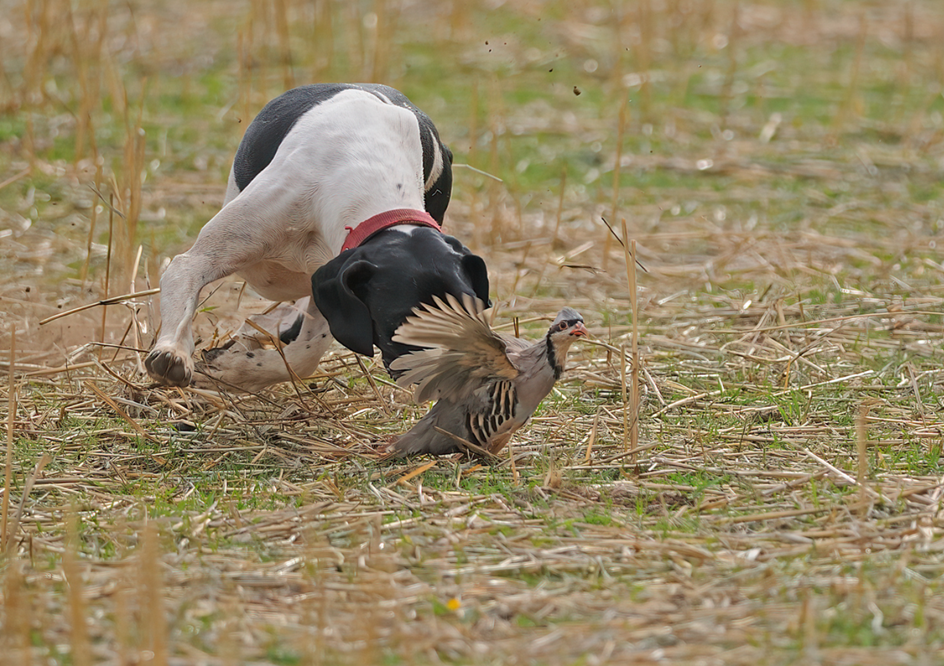
How To Cook Pheasant For Beginners
Pheasant is one of those birds that feels like a reward before it ever reaches the plate. It is lean, flavorful, and just different enough from chicken to make dinner feel special. But because pheasant has less fat, it needs a little extra care in the kitchen. Cook it too long, and it can turn dry fast. Cook it the right way, and it is tender, rich, and worth every step from field to table.
The good news is that cooking pheasant does not have to be complicated. A simple brine, a watchful eye on temperature, and the right method can make all the difference. Once you understand how the meat behaves, pheasant becomes much less intimidating and a lot more enjoyable to prepare.
Here at High Rock Preserve, we know how satisfying it is to bring home a bird from the field and turn it into a meal you are proud to share. In this guide, we will walk through beginner-friendly tips for cooking pheasant well, from keeping the meat moist to choosing simple preparations that let its natural flavor shine.
Why Pheasant Cooks Differently From Chicken
Pheasant is much leaner than chicken and has dense muscle from moving around in the wild. Because of this, it cooks faster and dries out more quickly.
We need to use a gentler hand and pay close attention to temperature. This is the main difference that makes pheasant both challenging and rewarding to cook.
What To Expect From Flavor And Texture
Pheasant’s flavor is mild and a bit earthy, falling somewhere between chicken and wild game. Farm-raised birds taste lighter, while wild ones have a deeper, more savory note.
The texture is firmer and chewier than chicken. The bird’s active life means the muscles are well developed, and you can taste that in every bite.
Why Low Fat Meat Dries Out So Fast
Pheasant, whether whole or just the breast, has almost no marbling or surface fat. Fat helps meat stay moist, so without it, pheasant can go from juicy to dry in just a few minutes.
That’s why brining, basting, and pulling the bird at the right temperature matter more than with fattier meats.
Choosing Between A Whole Bird And Cut Pieces
Cooking a whole pheasant lets us stuff, baste, and control moisture more easily. Breasts or cut pieces cook faster and are simpler to manage on the stovetop or grill.
For beginners, starting with breasts is easier, but a well-roasted whole bird makes a great impression. Choose what fits your comfort level and cooking method.
Prep Steps That Make Pheasant Easier To Cook
Good prep goes a long way toward keeping pheasant juicy and tender. Thawing, trimming, brining, and coating the bird all help prevent dryness and uneven cooking.
How To Thaw, Trim, And Pat The Bird Dry
Thaw pheasant in the fridge for about 24 hours if it’s a whole bird. Once thawed, trim off extra skin or pinfeathers.
Pat the bird dry with paper towels. Dry skin is key if you want it to crisp up in the oven.
When To Brine And How Long To Do It
Brining helps protect lean pheasant from drying out. Mix half a cup of kosher salt and two tablespoons of sugar into eight cups of water, boil, and cool.
Submerge the bird in the cooled brine and refrigerate for four to eight hours. Rinse and pat dry before cooking.
Seasoning, Butter, Oil, And Other Moisture Helpers
After brining and drying, rub the bird with butter or oil. This adds richness and helps with browning.
A sprinkle of herbs like rosemary, thyme, or sage is nice, but keep it light so the pheasant flavor shines through. Stuffing the cavity with apple or onion adds steam and keeps the meat tender during roasting.
The Simplest Way To Roast It Well
Roasting is a straightforward way to cook a whole pheasant. All you need is a hot oven, good prep, and a meat thermometer.
A Basic Oven Method For A Whole Bird
Preheat your oven to 500°F. Place the bird breast-side up in a roasting pan.
Roast at high heat for 10 to 15 minutes to crisp the skin. Then lower the oven to 350°F and roast for another 30 to 45 minutes, depending on the bird’s size.
Baste with pan drippings or butter once or twice as it cooks. If you stuffed the cavity, make sure the stuffing is hot before pulling the bird from the oven.
Best Internal Temperature For Juicy Results
Use a meat thermometer and aim for 155°F to 165°F in the thickest part of the thigh, away from the bone. Pulling the bird at 160°F gives the best balance of safety and juiciness.
Going above 165°F dries out the meat quickly, since pheasant has so little fat.
Why Resting Matters Before Carving
Let the cooked bird rest on a cutting board for five to ten minutes before carving. This keeps the juices in the meat instead of running out.
Cover loosely with foil to retain heat during the rest.
Other Beginner-Friendly Cooking Methods
Roasting isn’t the only way to cook pheasant. Breasts work well on the stovetop, grilling adds flavor, and braising is great for tougher birds or legs.
Quick Stovetop Cooking For Breast Meat
Heat a skillet over medium-high and add a bit of butter and oil. Season the breast, then sear for three to four minutes per side until golden.
Lower the heat and finish cooking until the internal temperature hits 160°F. Adding a splash of broth or cream at the end keeps the meat moist and makes a simple sauce.
Grilling Without Drying The Bird Out
Grill pheasant pieces rather than a whole bird for best results. Brine and season, then grill at about 275°F.
Cook skin-side up first, then flip for four to five minutes per side. Rest the pieces before serving to keep them juicy.
When Slow Cooking Or Braising Makes More Sense
For older birds or tougher cuts like legs, braising is the way to go. Place the meat in a Dutch oven with broth, aromatics, and root veggies.
Cook at 300°F for two to three hours. The slow heat breaks down tough muscle and keeps everything moist.
Common Mistakes And How To Fix Them
Most pheasant problems come from too much heat, overcooking, or too much salt. Knowing how to adjust makes the next meal better.
What To Do If The Meat Turns Out Dry
If the meat dries out, slice it thin and simmer briefly in broth or a cream sauce. This helps rehydrate the surface and makes it easier to eat.
Next time, try pulling the bird at 160°F and resting it before carving. Drizzling with pan juices before serving also helps.
How To Keep Skin From Going Rubbery
Rubbery skin usually means the bird was too wet or the oven wasn’t hot enough at first. Always pat the skin dry before cooking.
Starting at 500°F for the first 15 minutes crisps the skin. If needed, a quick pass under the broiler can restore some texture after resting.
Mistakes With Salt, Brine, And Carryover Cooking
Over-brining makes the meat too salty and springy. Stick to four to eight hours and rinse after brining.
Pheasant keeps cooking after it leaves the heat, so pull it two to three degrees below your target. This matters more with lean birds than with fatty meats.
Serving Ideas And Field-To-Table Notes
Pheasant is flavorful enough to pair with simple sides. Leftovers make for easy, tasty meals the next day.
Simple Sides And Sauces That Work Well
Serve roasted pheasant with earthy sides like mashed potatoes, roasted root veggies, or sautéed mushrooms. For sauce, deglaze the pan with wine or cider for a quick reduction.
A mustard cream sauce is another classic that complements pheasant’s flavor.
How To Use Leftovers In Another Meal
Leftover pheasant can be shredded for pot pie, sliced for sandwiches, or added to soup. Just reheat gently with a little liquid to keep it from drying out.
Field-To-Table At Our Preserve
If you’re interested in cooking pheasant you’ve hunted yourself, we offer both guided and self-guided hunts across our 330-acre preserve. Bringing a fresh bird from the field to your kitchen is a satisfying experience.
You can learn more about our hunt packages or ask questions by visiting our website or giving us a call.
Frequently Asked Questions
What's the best way to roast a whole bird in the oven?
Start at 500°F for 10 to 15 minutes to crisp the skin, then reduce to 350°F and roast for 30 to 45 minutes. Coat the bird in butter or oil, and use a meat thermometer to pull it at 160°F. Rest for at least five minutes before carving.
How long should the breasts be cooked to stay tender?
Cook pheasant breasts in a skillet for three to four minutes per side over medium-high heat. Finish on lower heat until the internal temperature reaches 160°F. Use a thermometer for best results.
What can I do to keep the meat from drying out?
Brine the bird before cooking, coat it with butter or oil, and don’t cook past 165°F. Pulling it at 160°F and resting before carving keeps pheasant moist.
Ready to try pheasant for yourself? Visit our preserve’s website or call us to book a hunt and start your own field-to-table tradition.
Should it be soaked or brined before cooking, and for how long?
Brining helps keep pheasant moist and flavorful because the meat is so lean. A simple salt-and-water brine does the trick.
Let the bird soak in the refrigerator for four to eight hours. If we’re working with a younger or smaller pheasant, four hours is plenty.
Any longer, and the meat can get too salty—so we keep an eye on the clock here at High Rock.
How can the legs be cooked so they turn out tender?
Pheasant legs have more connective tissue than the breast. They turn out best with slow, moist heat.
We like to braise the legs in broth or stock at about 300°F for two to three hours. This breaks down the tissue and keeps the meat tender.
Dry, high-heat methods make legs tough and chewy, so we steer clear of those.
If you want to practice these techniques or learn more about cooking wild game, join us for a hands-on workshop at High Rock Preserve.
Can it be cooked in an air fryer, and what time and temperature work best?
Yes, pheasant cooks up nicely in an air fryer. Set the temperature to 350°F and cook the pieces for 20 to 25 minutes.
Flip the pieces halfway through for even browning. Since pheasant is lean, we recommend brining it first and brushing it with a little oil before cooking.
This keeps the meat juicy and tender as the air fryer’s dry heat can dry it out quickly. Here at High Rock, we often use this method for easy, flavorful meals.
If you’d like more tips or want to try pheasant from our preserve, visit us at High Rock Preserve.
Reserve Your Presence in the Preserve
Join us at the preserve and step into the fields to lose yourself in the perfect scene of adventure, relaxation, and lasting memories.
Book Your High Rock Upland Escape
