%201.png)

%201.png)




Guided Bird Dog Training Weekends for Beginners And Enthusiasts
There’s nothing quite like watching a well-bred bird dog lock into point in the first light of morning. The dew is still clinging to your boots, the field is waking up around you, and for a second, everything goes quiet except your heartbeat. Those are the moments bird dog owners remember.
Guided bird dog training weekends are built around that kind of progress. Whether your pup is just learning what bird scent means or your seasoned dog needs a tune-up before the next hunt, a focused weekend in real cover can do more than months of backyard drills.
With an experienced handler beside you, you get feedback in the moment. You learn how to read your dog, correct small mistakes before they become habits, and build confidence around real birds in field conditions that feel like hunting. That is where the lessons start to stick.
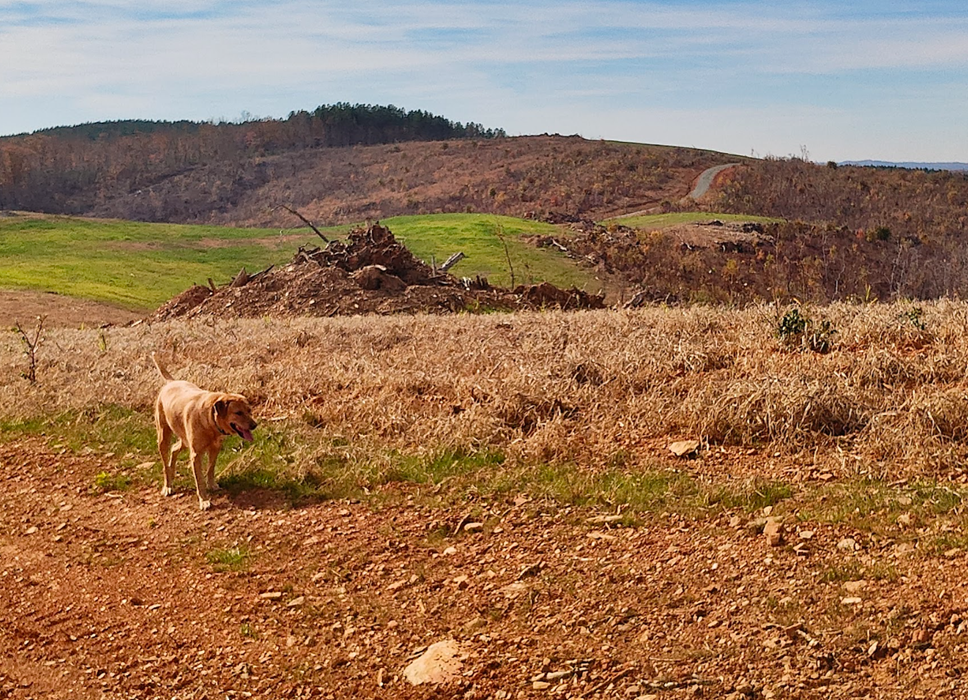
At High Rock Preserve, our 330 acres of rolling hills, woods, fields, and upland habitat give dogs and handlers room to work together. These weekends are not just about commands and drills. They are about time outside, honest field experience, and building the kind of partnership that makes every hunt better.
In this guide, we will look at what to expect from a guided bird dog training weekend, who benefits most, what to bring, and how to make the most of your time in the field.
What To Expect From A Weekend In The Field
A good training weekend strikes a balance—structured enough for real results, laid-back enough that it feels like a genuine outdoor adventure. Expect early starts, plenty of bird contact, honest feedback, and a mix of work and fun for you both.
Typical Daily Flow
Most guided training weekends make the most of the cool morning hours for fieldwork. You’ll usually gather the evening before—just enough time to talk through goals, your dog’s quirks, and get a sense of the land. That way, you’re not fumbling through the first morning in the dark.
Mornings are for real work—two or three hours in the field. After a break for food and water, afternoons are lighter: handling drills, maybe some yard work, or just reviewing what worked (and what didn’t). Evenings tend to end with a tailgate debrief or time at the lodge, swapping stories and getting advice for the next day.
Pacing’s important. Dogs get mentally tired before they run out of steam physically, and a good guide knows when to push and when to let your dog rest and soak it all in.
Bird Contacts And Training Setups
How many bird contacts your dog gets in a weekend? That’s huge for progress. Strong-flying, well-placed birds in good cover teach a dog more than any amount of repetition in the yard.
Setups often include:
- Planted bird work in light cover to teach point and hold
- Walk-up scenarios that mimic real hunting pressure
- Recall and range drills using birds to keep things fun but under control
- Flush and shot introduction for dogs ready to move up
Guides adjust setups on the fly, based on what your dog actually does—not some rigid plan.
Who These Trips Suit Best
Guided weekends work for just about anyone—first-timers who’ve never stepped into a field with a dog, or folks who’ve been running dogs for decades. The real key is showing up ready to learn, and letting your dog do the same.
First-Time Handlers
If you’re new to this, a guided weekend is one of the best ways to learn. You get real-time advice while your dog’s actually working, which beats reading about it any day.
A lot of beginners don’t realize how much their own actions affect their dog. A guide will show you where to stand, how to read your dog’s body, and when to intervene (or just let them work). You’ll leave with a clearer sense of your dog’s strengths and a simple approach you can use at home.
Young dogs especially need clean, positive setups—nothing confusing or overwhelming.
Experienced Owners Tuning A Seasoned Dog
If your dog’s already seen some seasons, a training weekend gives you space to fine-tune skills without the pressure of a real hunt. Common things to work on:
- Holding steady on point until the shot
- Adjusting range for different cover types
- Improving recall when distractions are everywhere
- Sharpening up retrieves
A good guide offers a fresh perspective. When you hunt the same dog year after year, you stop noticing little habits that creep in. Someone else can spot them, and a couple days in the field is plenty of time to start fixing things.
How Dogs Learn In A Guided Setting
Dogs pick things up way faster in the field than in a backyard. The smells, the birds, the wind in their face—it all fires up their instincts and makes them want to work. A guided weekend takes that excitement and channels it into real skills.
Reading Drive, Point, And Recall
A sharp guide is always watching. High-drive dogs that blast through cover need a different touch than softer dogs that hang back. There’s no one right style, but your approach needs to fit your dog.
Everyone obsesses over “point,” but how your dog gets there matters. Too close, and they’ll bump birds. Too far back, and they lose the scent. Your guide helps you spot these little details and tweak your handling on the spot.
Recall’s always trickier in the field—so many distractions. Guides use birds and whistles to build a recall that holds up, even when your dog’s amped up.
Balancing Structure With Fun
Maybe the biggest thing a guided setting does is keep your dog’s drive alive while building good habits. If you hammer too hard on control, you can kill their enthusiasm. Too loose, and they’ll just hunt for themselves.
The best sessions feel like a game—short, focused bursts, then free time to run, real praise after a good point, and birds as the ultimate reward. A skilled guide holds a dog accountable without making the field feel like punishment. That’s how a weekend of work turns into real improvement.
Choosing The Right Season And Conditions
When you train matters—sometimes as much as how you train. Heat’s the big limiter, so smart handlers plan around it.
Cool-Weather Advantages
Cool air isn’t just more pleasant—it actually helps dogs scent birds better. Damp, cool mornings keep scent close to the ground, making it easier for your dog to find and work birds. Hot, dry days scatter scent and make even veteran dogs struggle.
Fall and early winter are prime time. Your dog can run harder, focus longer, and recover faster. Plus, you dodge the risk of heat exhaustion, which can sneak up on a dog working hard. If you do train in summer, stick to the first hours after sunrise and bring way more water than you think you’ll need.
North Carolina And Southeast Field Conditions
The Southeast is a patchwork of great bird dog country: pine savannas, field edges, broomsedge, hardwood borders. North Carolina has especially varied habitat, which challenges a dog to adapt—from wide-open running to tight, brushy work.
Fall weekends in the Piedmont or foothills mean cool mornings without brutal cold. Wild quail are making a comeback in some spots, so there’s growing interest in preserves and guided sessions that feel like the real thing. Places like High Rock Preserve offer well-managed bird habitat in a controlled setting, letting your dog get genuine field experience. The land teaches them to use the wind, work edges, and adjust their pace—skills that show up when hunting season rolls around.
What To Bring For Dog And Handler
Packing right means you’re focused on your dog, not scrambling for forgotten gear. A little prep the night before saves a lot of hassle.
Field Gear Essentials
For your dog, don’t forget:
- A well-fitted e-collar if your dog’s used to one
- GPS tracking collar, especially in big fields or woods
- Check cord for early work or pups
- Blaze orange vest if needed for safety or rules
- Food measured out for each meal, plus a little extra
- High-value treats for rewards
For yourself:
- Upland brush pants or chaps (your shins will thank you)
- Waterproof boots, already broken in
- Blaze orange vest and hat
- Whistle on a lanyard
- Field bag or vest with lots of pockets
Safety, Hydration, And Comfort
Hydration sneaks up on people—your dog burns through water fast when running. A tired, thirsty dog makes bad choices and bounces back slowly. Bring a collapsible bowl and at least a gallon per dog per day, more if it’s hot.
Check your dog’s feet after each run. Sticks and gravel can cut pads, and those little nicks get worse fast. Toss a basic first aid kit in your bag: antiseptic wipes, gauze, self-adhesive wrap, tweezers for thorns. Make sure vaccinations are current—lepto’s a risk in wet areas, and most places want rabies proof at check-in.
Making The Most Of The Experience
You’re investing time, money, and a weekend—make it count by showing up ready and staying curious.
Questions To Ask Your Guide
Before you hit the field, ask your guide:
- What should I focus on with my dog this weekend?
- What’s this dog’s biggest strength right now?
- What mistakes do handlers make that slow their dogs down?
- How should I react if my dog breaks point or blows off a recall?
- What’s the best way to keep this progress going at home?
Good guides love these chats. It shows you’re invested, and that attitude rubs off on your dog.
Turning A Training Trip Into A Lasting Tradition
Some of the best hunting partnerships I’ve ever seen grew out of years of annual training weekends, not just a one-off trip. Making it a tradition gives your dog consistency and lets you really see progress season after season.
If you can, bring a hunting buddy with their own dog. Training in a brace builds steadiness and adds a little friendly competition—both dogs get sharper. Spots like High Rock Preserve often welcome small groups, so you can make it social as well as productive. Bring your kids or a friend who’s new to upland hunting. Watching a young dog work birds on a chilly October morning is the kind of memory that sticks for life.
Frequently Asked Questions
What should I expect during a weekend program for training an upland hunting dog?
Plan on early mornings in the field, lots of bird work, handling drills, and honest, real-time coaching. You’ll cover pointing, range, recall—structured but still fun. You’ll leave with practical feedback and a plan to keep building at home.
How do I choose a reputable trainer or facility for a bird dog training weekend?
Look for trainers who can explain their approach clearly and show you dogs they’ve worked with. Ask about their bird program, the size and layout of the grounds, and how they tailor sessions to your dog’s level. The best places are open, honest, and genuinely care about the dogs—not just the business.
What is the typical cost range for a weekend bird dog training session, and what does it include?
Honestly, prices are all over the map—depends a lot on where you go, how many birds you want, whether you’re staying overnight, and just how seasoned your guide is. Most folks end up spending somewhere between a few hundred bucks and over a grand for a full guided weekend. That usually gets you some solid field time with a guide, a handful of birds, and hands-on handler tips. Sometimes meals and a bunk are thrown in, but not always—so double-check before you pack your bags. There’s nothing like rolling up to a cabin in the woods, gear rattling in the trunk, only to find out dinner isn’t part of the deal.
What equipment and vaccinations should I bring for my dog to a training weekend?
Let’s talk gear. First, bring your dog’s vaccination records—rabies and distemper are pretty much always needed, and a lot of places want proof of leptospirosis and Bordetella shots too. It’s not worth the risk to skip it. Toss in your dog’s usual food (nobody wants a stomach issue in the field), a sturdy collar with ID tags, and if you’ve got one, a GPS tracker. An e-collar can be handy if your pup’s already trained on it, but don’t push it if they’re not used to it yet. I always stash a basic first aid kit in my bag—cuts and scrapes just happen out there. Most outfits will send you a gear list ahead of time, but if they don’t, ask. Better to look a little over-prepared than get caught short.
Which training steps are usually covered for pointing, retrieving, and steadiness over a weekend?
Weekend sessions move fast—there’s a lot to pack in. Usually, you’ll start with bird introductions or a quick refresher, then work on point and hold drills, range checks, and recall. If your dog’s ready, they’ll get into steadiness—holding through the flush and maybe even the shot. Retrieving comes into play if your pup’s showing signs they’re ready, with the focus on a clean, gentle delivery to hand. Guides tend to adjust on the fly, watching how your dog works in those first few runs. Every dog’s different, and honestly, that’s half the fun. You never really know what you’ll see out in the field until boots hit the ground and the birds take wing.
How can I reinforce the weekend training at home to maintain progress after returning?
Before you head home, ask your guide to jot down or talk through the top two or three habits you should really focus on. Back at home, keep things simple—short, regular sessions are your friend, even if you don’t have birds around. Just working on handling and recall in your backyard or a quiet park can keep those lessons fresh. If you’re lucky enough to have a local sporting club or preserve nearby, try to get out there once a month. Those outings can really help cement what you and your dog started over the weekend.
Reserve Your Presence in the Preserve
Join us at the preserve and step into the fields to lose yourself in the perfect scene of adventure, relaxation, and lasting memories.
Book Your High Rock Upland Escape
