
%201.png)

%201.png)




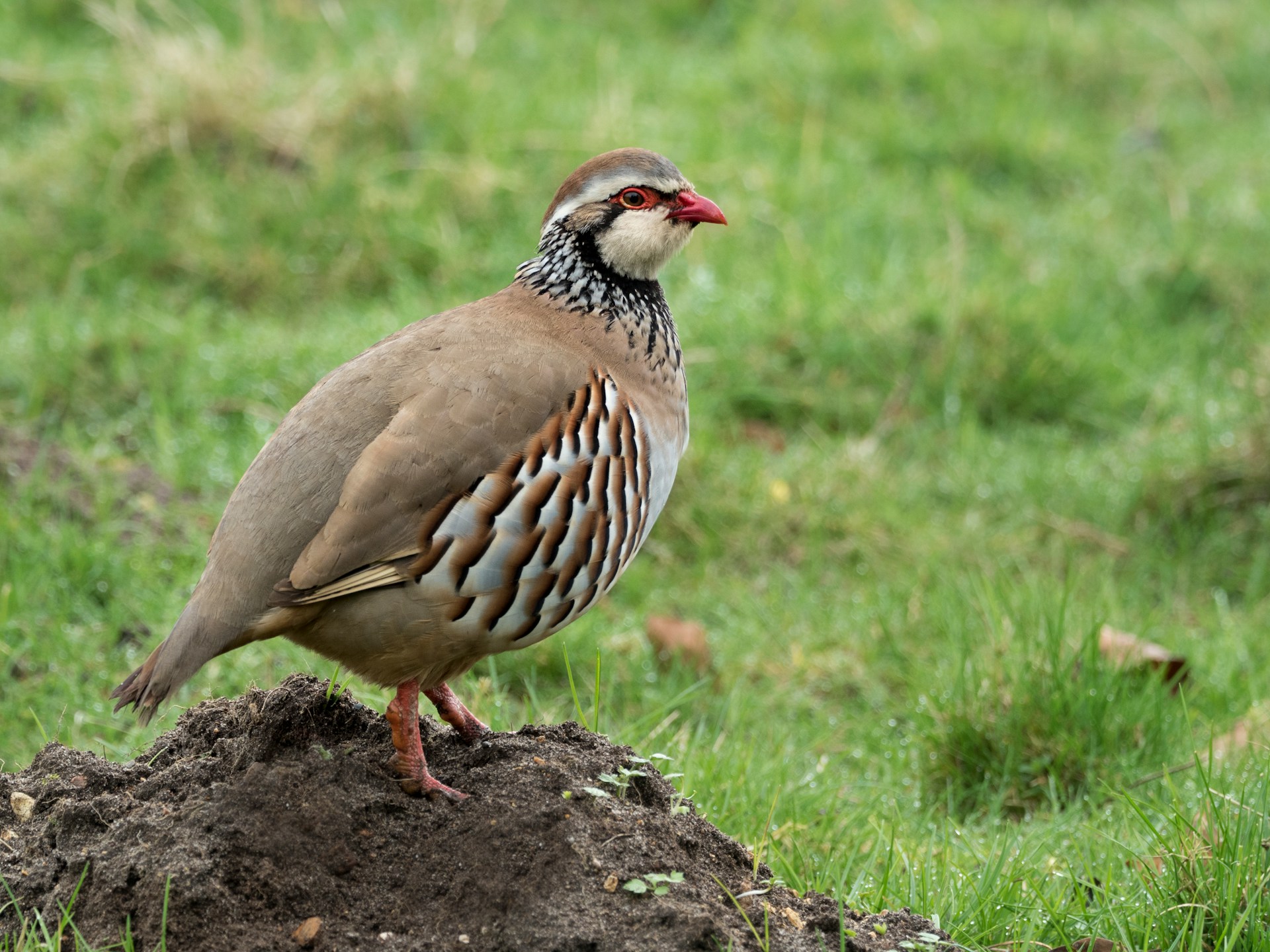
Chukar Hunting For Beginners: First Hunt Guide
Chukar have a reputation as one of the toughest upland birds to chase, and if this is your first time out, that reputation can feel a little intimidating. Here is the good news: your first chukar hunt does not have to mean sheer cliffs and total exhaustion. With the right expectations, some basic field knowledge, and help from experienced guides and trained bird dogs, a first chukar hunt can be both manageable and a lot of fun.
This guide walks through what a first hunt looks like, how to read bird behavior and terrain, a few beginner-friendly field techniques, and the gear that keeps you safe on uneven ground. Whether you plan to chase wild birds someday or start with a guided hunt on managed land, these basics will help you feel ready when that first covey breaks.
Want a first hunt that builds confidence instead of blisters? Book a beginner-friendly guided chukar hunt near Lexington and let our guides and dogs do the hard part.
What To Expect on a First Chukar Hunt
Chukar hunting tests your legs, your patience, and your shooting instincts. Knowing why these birds earned their nickname, how managed hunts differ from wild ones, and what a guide and dog bring to the field will help you set realistic goals for the day.
Why Chukar Are Called the Devil Bird
Chukar partridge earned the nickname "devil bird" honestly. In their native range they run uphill faster than most hunters can climb, then almost always flush downhill and away, which makes for a fast, sharp-angle shot. Wild chukar live in some of the roughest country in the West, and even seasoned upland hunters come home humbled.
Managed Hunts Versus Wild Chukar Hunts
Chasing wild chukar means hiking steep, rocky, high-desert slopes, often for hours before you ever see a bird. A hunt on managed ground works differently. On our grounds, chukar are supported through habitat work and released birds, which gives beginners a more predictable day with strong flushes and shorter walks between coveys. Both styles test your skills, but a managed hunt is far more forgiving when you are new to upland birds.
How Guides and Trained Bird Dogs Help Beginners
A guide who knows the ground and a dog that knows chukar behavior make a real difference. Our guides help you read cover, position for shots, and understand how a covey moves, while a well-trained bird dog locates birds and holds them until you are ready. For a first-time chukar hunter, that support takes away most of the guesswork and lets you focus on the shot. You can see how our guided upland bird hunts are set up for hunters of every experience level.
Reading Bird Behavior and Cover
Chukar depend on food, water, and shelter, and finding all three in one spot usually means you have found birds. Learning how coveys move, what signs point to good habitat, and how weather shifts bird location will sharpen your eye.
How Coveys Move Before a Flush
Chukar are ground birds that would much rather run than fly. When a covey senses danger, it typically runs uphill and bunches together before flushing, often at the top of a ridge or a rock outcrop. Approaching from above or along the same elevation gives you a much better shot than climbing up from below, since birds pushed uphill tend to flush wild and far out of range.
Food, Cover, and Water Clues
Chukar feed on tender green shoots and grasses, especially on sun-facing slopes after rain. Look for feeding sign on windswept ridge tops and south-facing slopes. Check nearby rock bands and outcrops for shelter, since chukar lean on rocky terrain and natural benches for protection. Water is often the deciding factor. A spot can look birdy and still hold nothing without a reliable source nearby.
How Weather and Terrain Affect Bird Locations
Temperature and wind push chukar between elevations through the day and the season. On cold or windy mornings, birds often stay low on sheltered slopes, then move up to open ridges to feed as things warm. After a hunt, make a mental note of which slopes, springs, or benches held birds. Chukar tend to return to reliable spots as long as the food and water hold out.
Beginner Field Techniques
Good chukar technique starts with using wind and terrain to your advantage. Learning to trust your guide, position for a clean shot, and follow up after the first flush will help you get more out of every covey.
Working With the Wind and Your Guide
Wind carries both scent and sound, so hunting into it helps your dog find birds and keeps chukar from hearing you coming. A guide who knows the property will usually put you across or into the wind while working the dog through the most likely cover first. Trust that positioning early. It saves your legs and puts you in a better spot for a shot.
Positioning for Safe, Controlled Shots
Because chukar usually flush downhill and away, standing slightly below or level with the covey's likely flush point gives you a safer, more controlled angle. Always know where your partners and the dog are before you raise your shotgun. Wait for a clear, rising bird instead of snap-shooting into the group. Patience on that first flush almost always leads to a cleaner, safer shot.
Following Up After a Covey Rise
Chukar coveys often flush in waves, so do not assume the action is over after the first few birds lift. Stay ready for a second or third rise, and mark exactly where the singles land. A good dog will help you track scattered birds, which gives you more chances on the same hunt.
Gear and Safety for Uneven Ground
Chukar country is rocky and unpredictable, so your gear needs to hold up to real hiking. The right shotgun, the right load, and the right footwear matter more here than in almost any other upland hunting.
Choosing a Comfortable Field Shotgun
A lightweight shotgun you shoot well beats a heavier gun with more features, especially once you have climbed a few ridges. Many beginners do well with a lighter 16 or 20 gauge, which balances manageable weight with enough power for chukar-sized birds. Whatever you carry, pattern it before your hunt so you know exactly how it performs at typical chukar distances.
Selecting Loads and Chokes Responsibly
A modified to full choke paired with #6 shot is a solid, common starting point for chukar, giving you range for birds that flush at 30 to 40 yards. Shot size can shift a little with cover and season, but #6 is dependable for beginners. Match your load and choke to the conditions your guide describes for the day.
Footwear, Hydration, and Essential Carry Items
Sturdy hiking boots with good ankle support are not optional on rocky ground, where loose rock and side-hilling can roll an ankle in a hurry. Carry more water than you think you need, for yourself and for any dog working the ground. Bring a small kit with the basics, a charged phone, and a mapping app in case you get turned around. These simple items keep a challenging hunt from turning into an emergency.
Planning a Hunt Near Lexington
Chukar hunting near Lexington, North Carolina gives beginners a practical way to build skills without tackling the steepest wild-bird country first. A little planning around reservations and licensing makes the difference between a smooth first hunt and a confusing one.
Reservations, Releases, and Questions To Ask
We ask for a reservation and a signed release of liability form before you arrive. It is worth asking ahead about group size, whether guides and dogs are included, and what happens if weather moves your date. Those questions help you show up prepared and relaxed.
Licenses, Seasons, and Preserve Rules
Because our birds fall under preserve regulations, our chukar season runs longer than the wild-bird calendar, often from early fall into spring. Confirm current North Carolina license requirements with us before your visit, since rules vary by property and by whether you hunt wild or preserve-released birds. Bringing your own gear and following posted safety protocols is standard.
Making a Day Trip or Group Outing of It
Lexington sits near High Rock Lake and within an easy drive of Charlotte, Greensboro, Winston-Salem, High Point, Salisbury, and Thomasville, which makes a chukar hunt a simple day trip for hunters across the Piedmont. Many guests turn it into a fuller day by pairing the hunt with scenic trails and ATV riding or a stop at our seasonal berry patch.
Ready to plan your first chukar hunt, or bring a group along? Reserve your hunt at High Rock Preserve and we will match the day to your experience level.
Frequently Asked Questions
Are chukar hard to hunt?
Chukar are considered one of the more challenging upland birds because of their steep, rocky habitat and their habit of running uphill before flushing far away. On managed ground, the terrain and covey behavior are more predictable, which makes chukar much more approachable for beginners. Working with a guide and a trained dog takes away a lot of the difficulty.
Where can I hunt chukar in the eastern United States?
Wild chukar populations are concentrated in the steep, high-desert West, in states like Idaho, Nevada, Oregon, and Washington. For hunters in the East, a licensed preserve like High Rock offers a managed chukar hunt without the long trip west, and it is a great place to practice before ever attempting a wild-bird hunt.
What is the best time of day to hunt chukar?
Early morning and late afternoon tend to be most productive, since chukar feed on cooler slopes during those hours. Midday heat often pushes birds into shaded, rocky cover where they are harder to find. On a guided hunt, we help time your day around bird activity and weather.
When is chukar hunting season?
Wild chukar seasons vary by state and generally fall in fall and winter. As a licensed preserve, we run an extended schedule, commonly from early fall into spring. Always confirm current season dates and licensing with us before you plan your trip.
What gear do I need for my first chukar hunt?
At a minimum, you want a shotgun you shoot comfortably, appropriate shot size and choke, sturdy hiking boots, and plenty of water. A mapping app, a small kit of basics, and layered clothing round out a solid beginner list. On a guided hunt, we handle much of the terrain knowledge and bird-finding, which lightens your load.
Are chukar good to eat?
Chukar have lean, mild meat that many hunters compare to quail or pheasant. Their smaller size means they cook quickly, whether you prepare them whole or as breast fillets. Good field care and quick cooling after the hunt help keep the quality high.
Reserve Your Presence in the Preserve
Join us at the preserve and step into the fields to lose yourself in the perfect scene of adventure, relaxation, and lasting memories.
Book Your High Rock Upland Escape
