
%201.png)

%201.png)




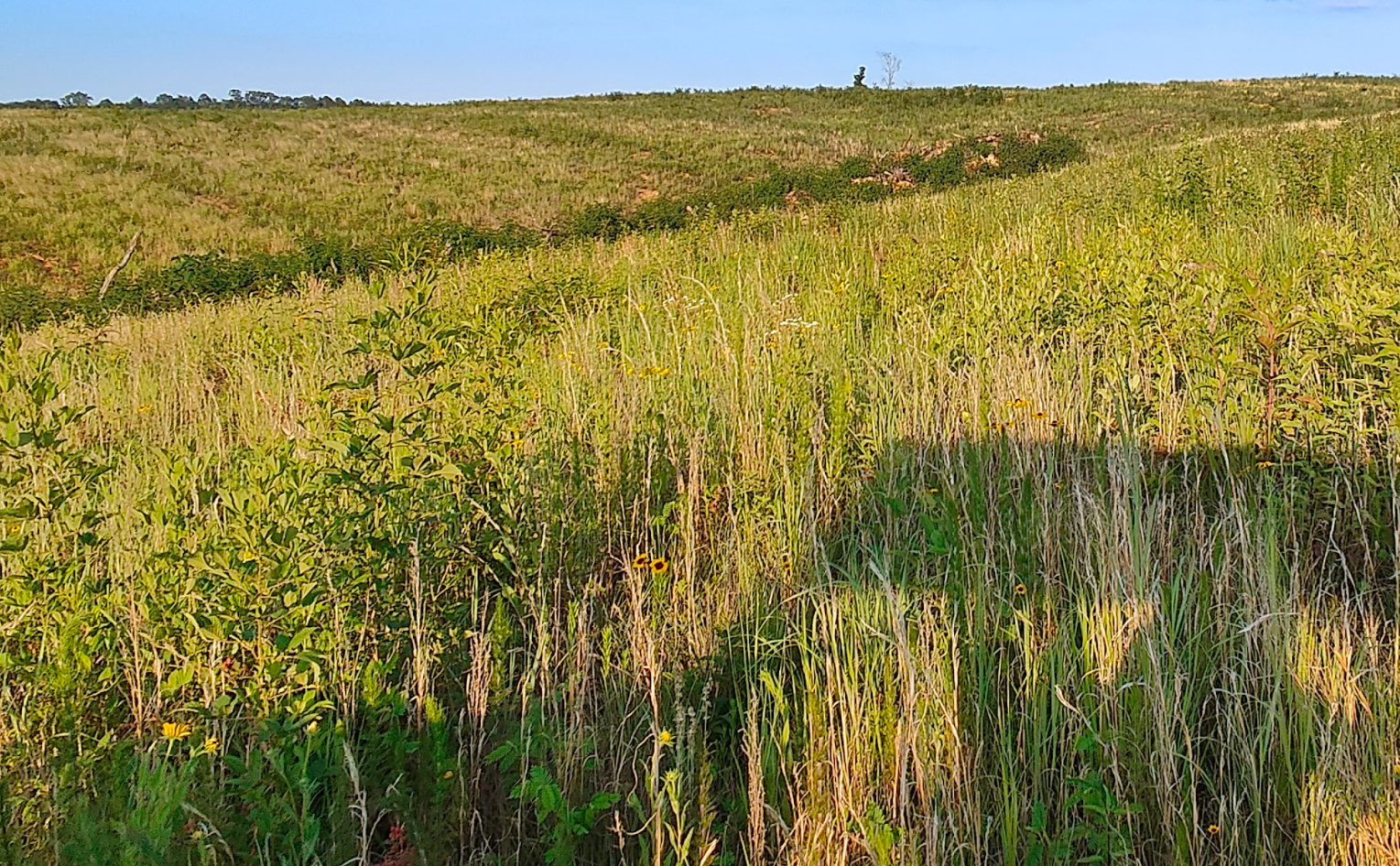
Best Boots For Upland Bird Hunting Terrain By Ground Type
Upland bird hunting really puts your boots to the test. One November morning, you might start off crunching across frost-tipped fescue in the Carolina Piedmont, then slog through a cattail slough by midday, and finally wind up scrambling up a rocky ridge with a bird dog bounding ahead. Each step demands something different from your boots. If you pick the wrong pair, you’ll feel it - slow feet, sore soles, and a hunt that ends way too soon.
Choosing the right boot for upland terrain is about as practical as it gets before the season kicks off. It shapes how far you’ll walk, how steady your footing feels, and whether you’re still excited to lace up again tomorrow. Nothing ruins a hunt faster than a blister that’s been brewing since sunrise.
This guide isn’t a product pitch—it’s a walk through the real-world stuff that matters: ground type, fit, care, and how long your boots will actually last. Doesn’t matter if you’re chasing pheasants in the Midwest, quail in the Southeast, or chukar on gnarly western slopes - the basics here apply to all of us. Think of it as a field buddy’s advice, not a catalog.
Before you spend long days covering fields and wooded edges, it helps to hunt in places that challenge your footing in all the right ways. At High Rock Preserve, hunters experience a mix of rolling terrain, open meadows, and natural cover that gives both beginners and seasoned outdoorsmen a true feel for upland hunting conditions. It’s the perfect setting to learn what gear works, what doesn’t, and how preparation can make every mile in the field more enjoyable.
How Upland Ground Conditions Change What You Need
Where you hunt shapes almost every boot decision, from how stiff the sole feels to whether you need waterproofing or just a little more ankle support. Match your boots to your terrain, and you’ll feel the difference—way more than you’d think from reading a spec sheet.
Grasslands And Crop Edges
Walking wide-open grasslands and field edges—Kansas wheat stubble, South Dakota prairie, or North Carolina’s open quail country—means you’ll cover a lot of flat or gently rolling ground. Usually it’s firm and dry, but after a rain, you’ll find the odd soft patch.
For this kind of walking, lightweight boots with moderate ankle support are your friend. Heavy leather or thick insulation? Not really necessary, especially in early fall. A flexible midsole lets your foot move naturally mile after mile, so you don’t end up dragging your feet by lunchtime. You don’t need aggressive tread, but a little texture helps when the morning dew soaks the grass.
Shaft height here is mostly about keeping out grass seeds and sharp stubble. Six to eight inches works well—enough to block debris without making you feel like you’re wearing bricks. If you hunt with dogs, keep an eye on how much junk collects around your laces; some boots seem to invite every burr in the field.
Rocky Hills And Loose Scree
If you’ve ever hunted chukar in Idaho or Nevada, or scrambled after grouse on Appalachian ridges, you know rocky terrain is a whole different beast. Loose scree, angled rocks, and uneven footing test your boots and your ankles with every step.
You’ll want a boot with a stiff midsole to shield your feet from sharp rocks, plus a rubber rand around the toe and heel to take the beating. Look for a lug pattern that actually grips rock instead of sliding across it. Full-grain leather holds up better than synthetic materials in this stuff. Ankle support isn’t optional here—a rolled ankle on a steep hillside isn’t just painful, it’s dangerous.
Go for an 8- to 10-inch shaft to keep your ankles wrapped and stable. The extra height might feel like overkill in the store, but out on the hill, you’ll appreciate it. Most chukar hunters get as picky about their boots as their shotguns, and for good reason.
Pine Flats And Sandy Soil
Pine flats—think Georgia, South Carolina, and much of the Southeast—bring their own quirks. Sandy, loose soil underfoot, scattered wiregrass, palmetto, and a carpet of pine needles mean soft, uneven walking. Plus, rattlesnakes are a real thing here, and that changes the boot game.
In sandy pine country, breathability matters more than waterproofing, especially on dry days. A boot that lets your feet breathe keeps sweat from turning into blisters. But you’ll also want a taller shaft—10 to 12 inches—to guard against snake strikes and keep sand out of your socks.
Sole flexibility isn’t as big a deal here. A moderately stiff sole with medium tread handles sandy soil well, and you don’t need the deep lugs that just end up carrying half the woods home with you.
Wet Cover And Creek Crossings
Cattail sloughs, flooded corn, brushy creek bottoms, and dew-soaked grass—these are the norm for plenty of upland hunters. In the Southeast, add humidity and surprise afternoon rain, and your boots get put through the wringer even if you never step in standing water.
A waterproof membrane—Gore-Tex or similar—is usually worth it for wet conditions. It keeps your feet dry during creek crossings and soggy mornings, no need to mess with rubber boots unless you’re wading deep. The downside is less breathability, which can get uncomfortable in warm weather.
If you’re crossing real water, a taller rubber-bottomed boot works better than leather with a liner. Some folks carry two pairs and swap as needed. For days that start dry and end wet, look for a boot that’s both waterproof and quick-drying. It’s not perfect, but it’s practical.
Core Boot Features That Matter In The Field
Every boot’s a mix of tradeoffs. Knowing what actually affects your hunt helps you cut through the marketing noise. Support, waterproofing, sole design, and weight all matter over a long day.
Ankle Support And Stability
Shaft height and upper stiffness give you ankle support. A 6-inch boot moves with you but doesn’t offer much side support. An 8- or 10-inch boot keeps your ankle snug and helps prevent rolls on slopes or rough ground. For most mixed upland terrain, 8 inches is the sweet spot between movement and protection.
Upper material makes a difference too. Full-grain leather is more structured than nylon or split leather. Some boots mix materials—leather at the toe, heel, and ankle, nylon in the middle—to balance support and breathability. A steel or fiberglass shank in the midsole adds underfoot rigidity, which really helps on long walks or rocky ground.
If you’ve rolled ankles before, don’t mess around—pick a stiffer upper and taller shaft. A solid heel counter inside the boot also helps lock your foot in place and cuts down on slipping during side-hill walks.
Water Resistance Versus Breathability
Waterproof boots keep water out but trap heat and sweat. Non-waterproof boots breathe better but soak through in wet grass or rain. Neither is perfect for every hunt.
For early season, warm, dry days, a breathable boot is way more comfortable. Sweaty feet blister fast, and hot boots can turn a nice October hunt into a foot care nightmare. When the weather turns cold and wet, waterproofing becomes more important than breathability.
Some hunters keep two pairs and switch with the season. If you’re a one-pair person, find a waterproof boot with a moisture-wicking lining. It won’t keep your feet bone-dry if you’re sweating hard, but it’ll help. Not all waterproof membranes are equal—thinner ones tend to breathe better than thick rubber coatings.
Sole Grip And Midsole Protection
The sole is where it all comes together—traction, protection, and comfort. Lug depth and pattern decide how well you grip mud or shed debris. Shallow, close lugs work on hard ground; deeper, spaced-out lugs grip loose soil and wet rock but can collect junk in dry fields.
Rubber compound matters too. Softer rubber grips better on wet stuff but wears out faster. Harder rubber lasts, but can feel slick on damp leaves. Most good upland boots find a middle ground.
A midsole with a shank shields your feet from rocks and roots and adds stiffness for long days. On flat ground, a flexible midsole feels great. On rocky slopes, stiffer is safer and less tiring.
Weight And All-Day Comfort
Boot weight sneaks up on you. A pair that seems fine at noon can feel like anchors by late afternoon. Upland hunters cover a lot of ground, so lighter boots really do make a difference.
Modern synthetic boots and foam midsoles have made lightweight options better than ever. They can support and cushion without the bulk of old-school leather. But lighter boots sometimes give up durability and ankle support. If you’re on rough ground, a little extra weight is worth it.
Footbeds also matter more than you’d think. Most factory insoles are thin and flat. Swapping in a good aftermarket insole can turn a so-so boot into your favorite pair and cut down on foot fatigue. It’s a cheap upgrade that pays off big.
Matching Boot Height And Build To Hunt Style
How you hunt should guide your boot choice, not just the ground. A quick afternoon loop is a different story from an all-day push behind a bird dog or a frozen late-season hike.
Walk-In Covers And Short Loops
For small woodlots, farm edges, or short walks on public land, you don’t need expedition-level boots. A lighter 6-inch boot with decent support does the trick. You’re not covering miles, the terrain’s predictable, and a heavy boot just slows you down.
On short hunts, comfort and breathability matter more than bombproof durability. Flexible midsoles and moderate lugs are enough. If you’re taking kids or new hunters out—maybe to High Rock Preserve—a comfortable, well-fitted boot keeps everyone happy and wanting to come back.
Big Mileage Behind Bird Dogs
Running behind a pointer or setter means you’ll rack up serious miles—five, ten, sometimes more. Fields change, footing shifts, and your boots need to keep up.
For these days, you want cushioning, ankle support, and durability. Full-grain leather or hybrid uppers in the 8-inch range give you structure and hold up over distance. A cushioned midsole with a shank keeps your feet from feeling every stump and stone.
Lacing matters too. If your boots loosen as you walk, you’ll be stopping to retie—and that’s just annoying. Look for boots with solid hardware and laces that stay snug all day.
Cold-Weather Late Season Days
Late season in the Southeast might mean chilly mornings and mild afternoons. Up north, it’s frozen ground, snow, and all-day cold. Your boots need to match your actual conditions, not just the coldest day you can imagine.
For real cold, insulation—measured in grams of Thinsulate or similar—keeps toes warm. 200 grams works for cold starts that warm up; 400 grams for all-day cold. More than that, and your feet might roast once you get moving.
Waterproofing really matters late in the season. Frozen ground that thaws turns into mud, and wet boots will ruin your day fast. A waterproof membrane plus moderate insulation covers most late-season upland hunts from the Carolinas to the Midwest.
Fit, Socks, And Break-In Without Regret
Getting your boots to fit right before the season can save you from blisters, sore toes, and ruined days. The way your boot, sock, and foot all work together is more important than most hunters realize—at least until something goes wrong a few miles in.
Sizing For Uphill And Sidehill Travel
Your feet swell during long walks, especially on those relentless uphill climbs. A boot that feels perfect when you’re standing still can turn into a vice an hour into a steep push. So, when you try on hunting boots, do it in the afternoon—when your feet are already a bit swollen—and wear the socks you’ll actually hunt in.
Leave about a thumb’s width between your longest toe and the end of the boot. That space matters. On downhills, your foot slides forward, and if there’s not enough room, your toes will slam into the front. That’s how you end up with bruised toenails and a whole lot of regret. Width is just as important as length. Too narrow, and you’ll feel pressure along the sides, maybe even tingling or numbness after a few miles.
Sidehill travel—think grouse ridges, those tricky chukar slopes—demands a heel that stays put. Your heel should lock into the heel cup without sliding up and down. A snug heel counter keeps you from slipping around inside the boot. If your heel lifts with every uphill step, either the boot’s too big or you need to snug up your laces around the ankle.
Sock Systems For Moisture Control
Honestly, a good sock makes more difference than most gadgets or gimmicks you can add to your kit. Wool or wool-blend socks are the gold standard for upland hunting. Wool keeps your feet at a comfortable temperature, pulls moisture away from your skin, and still insulates even when damp. Merino wool feels soft and is less likely to cause hot spots than the old scratchy stuff.
Leave the cotton socks at home. Cotton holds onto sweat and keeps it trapped against your skin, which is just asking for blisters. A cotton sock in a warm boot, marching for miles? That’s a recipe for misery.
Some folks swear by a thin liner sock under a medium-weight wool sock. The liner moves separately, so friction happens between the socks instead of against your skin. If you’re prone to blisters, this system can be a lifesaver. Medium-weight socks—those with about 15 to 20 percent cushion—tend to strike the right balance between comfort and a good fit.
How To Break In Boots Before Opening Day
Don’t take brand new boots straight into an all-day hunt. Stiff leather and rigid midsoles need time and movement to mold to your feet. Skipping the break-in is one of the fastest ways to ruin a season with blisters.
Start by wearing new boots around the house or on quick errands a few weeks before the opener. Then move on to short walks—half an hour, maybe an hour—gradually working up to longer hikes that mimic the terrain you’ll hunt. Notice any spots that rub or pinch. Adjust your lacing, or try a different sock thickness if something feels off.
Focus your break-in on the movements that matter: uphill, downhill, and those awkward sidehills. That’s where fit problems show up. By opening day, your boots should feel like old friends, not strangers you’re fighting with.
Safety, Foot Care, And Weather Readiness
The field throws all sorts of curveballs—blisters, soaked feet, sketchy footing, biting cold. Your boots are your first line of defense. Paying attention to the details keeps you hunting longer and safer, no matter what the weather decides to do.
Preventing Blisters And Hot Spots
Blisters crop up when friction and heat build between your skin and the boot. The best way to prevent them is to stop friction before it starts. A boot that fits right—with no loose spots or tight pinches—is the foundation. After that, socks and lacing do the heavy lifting.
Lace your boots snugly around the ankle—not so tight you cut off blood flow, but tight enough to keep your foot from sliding around. If you feel a hot spot developing, stop and deal with it. A piece of moleskin or tape over the irritated spot can save your day. Stash a few squares of moleskin in your vest; you’ll thank yourself later.
On multi-day hunts, swap into dry socks at lunch if you can. Even a quick foot airing during a break helps reduce moisture and resets the inside of your boot.
Managing Mud, Water, And Frost
Mud is a nuisance. It clings to your boots, adds weight, and packs into the lugs until your tread is useless. After slogging through wet fields, knock your boots together or grab a stick to scrape off the mud before you hit steep or slippery ground.
Standing water and stream crossings can defeat even the best waterproof boots if the water’s deep enough. Pick your crossing points carefully. Try to keep the water below the boot tops instead of relying on waterproofing alone. In freezing weather, wet gaiters and laces can turn to ice on the walk back to the truck. Silicon-treated laces help—they shrug off ice better than the standard ones.
Frost on grass or leaves in late season can be slick as glass. Shorten your stride and keep your weight low on frosty slopes. Boots with good rubber grip handle light frost better than those with hard plastic soles.
Traction On Slopes, Stubble, And Leaf Litter
Slopes really test your boots’ traction. Going uphill, you want lugs that bite in. Heading downhill, you need heel lugs for braking. A lot of upland boots are built for rolling ground, and that can leave you sliding on steep stuff.
Wheat stubble and corn stubble get slippery when wet. The cut stems make a layer your boot can skate across if your lugs aren’t deep enough to reach the dirt. Around 4 to 6mm of lug depth usually does the trick. Leaf litter in grouse woods is a wildcard—wet, unpredictable, sometimes like walking on marbles. Sticky rubber with multi-directional lugs gives you the best chance at staying upright.
Getting More Seasons Out Of Your Boots
A good pair of upland boots isn’t cheap, but with a little care, they’ll last for years. Cleaning, conditioning, and knowing when to repair instead of toss out can add seasons to a well-loved pair.
Cleaning After Dust, Burrs, And Mud
After every hunt, pull out the laces and shake out the insides. Burrs and grass seeds left inside will come back to haunt you. Brush off dried mud before it hardens; mud that dries in the lugs is a pain to remove and kills your traction next time.
For leather, wipe down the uppers with a damp cloth—don’t soak them. Too much water breaks down the leather and shortens the boot’s life. Synthetic uppers usually just need a gentle rinse and a quick brush to get rid of grime.
Drying And Conditioning Materials Properly
Never dry boots right next to a fire, a heater, or a car vent. High heat cracks leather, weakens glue, and wrecks waterproof linings. Pull the insoles and let everything dry naturally at room temp with good airflow. Boot dryers that use room-temperature air are safe and work well overnight.
Once dry, leather boots appreciate a little conditioner—beeswax, mink oil, or whatever the boot maker recommends. Conditioned leather stays flexible and resists cracking, even after repeated wet-dry cycles. Most boots need this a few times per season, depending on how hard you use them.
At High Rock Preserve in North Carolina, quail hunts often start in wet morning cover and end in dry pine flats. Drying and conditioning between hunts keeps boots performing all season long.
When Repair Makes More Sense Than Replacement
If the upper’s still solid and the lining’s intact, but the sole is shot, get your boots resoled. It’s usually way cheaper than buying new. Cobblers who know hunting boots can replace eyelets, fix delaminated rand, and resew seams, too.
But when the midsole’s packed out and you feel every rock, or the upper’s so worn it won’t support your foot, or water leaks in no matter what—then it’s time to retire them. A boot with dead cushioning makes your feet and joints ache after a long day.
At the end of a long hunt, your boots tell the story before you ever say a word. Mud on the soles, grass seeds caught in the laces, tired legs after miles of uneven ground, it all adds up to the kind of days hunters remember long after the season ends. Choosing the right boots isn’t about chasing trends or buying the most expensive pair on the shelf. It’s about finding gear that helps you move comfortably, stay steady on changing terrain, and focus on the experience instead of sore feet.
Whether you’re walking open quail fields, crossing damp creek bottoms, or climbing rocky ridges behind a good bird dog, preparation makes every hunt more enjoyable. At High Rock Preserve, hunters experience a wide range of natural terrain that puts both gear and skill to the test in all the best ways. Plan your next upland hunt at High Rock Preserve and discover how the right preparation, and the right place, can turn a long day outdoors into one worth remembering.
Frequently Asked Questions
What boot features matter most for long days walking over mixed prairie, grass, and brush?
For those endless prairie and grass walks, look for cushioning, lightweight build, and a moderate lug sole that handles everything from hardpan to soft ground. An 8-inch shaft with a firm heel counter keeps your ankle steady without making you feel like you’re wearing ski boots. In warm weather, a breathable lining helps keep sweat at bay and blisters off your radar.
How should hunting boots fit to prevent blisters during extended hikes and uneven footing?
You want a thumb’s width in front of your longest toe, a heel that doesn’t slip, and no tight spots along the sides or top. Try them on in the afternoon with your hunting socks—your feet will be a little swollen, just like after a few miles in the field. Any fit issue you notice in the store will only get worse after a long day outside.
Which sole patterns and stiffness provide the best traction and support on rocky slopes and loose soil?
A medium to deep lug pattern—4 to 6mm—with widely spaced lugs grips rocky and loose ground well and sheds debris. A stiffer midsole with a fiberglass or steel shank protects you from sharp rocks and keeps you steady on angled ground. Sticky rubber grabs wet rock and roots better than hard rubber, but wears out a bit faster on rough terrain.
When is waterproof protection worth the tradeoff in breathability for changing field conditions?
Waterproofing is worth it when it’s cool enough that you’re not sweating buckets, usually below 50°F, or when you know you’ll be slogging through wet stuff all day. In warm, dry conditions, a non-waterproof, breathable boot keeps your feet drier and happier—less sweat means fewer blisters.
What insulation level is appropriate for early-season versus late-season upland hunts?
Early season (September, October) rarely calls for insulation—walking keeps your feet warm enough. Non-insulated or lightly insulated boots help prevent overheating during those active mornings. Late season in cold climates? Go for 200 to 400 grams of insulation, depending on how cold it gets and whether you’ll be moving or standing still for long stretches.
How do different boot heights affect ankle stability and mobility in thick cover and steep terrain?
A 6-inch boot usually feels light and comfortable on flat or gently rolling ground—just enough to keep out the pebbles and brush, but not really built for serious ankle support if you’re side-hilling or scrambling over rocks. If you’re wandering through mixed upland terrain, I’d lean toward an 8-inch boot. It strikes a good balance, giving your ankles some real backup without making every step feel stiff or awkward. Now, when you’re pushing through thick cover, clambering up steep, rocky slopes, or you know you’ll be in snake country, those 10-inch (or taller) boots earn their keep. They wrap your ankles up tight, but you’ll notice the extra heft and a bit less freedom to move. It’s always a trade-off—protection versus agility—and honestly, it comes down to where you’re headed and what feels right on your feet.
Reserve Your Presence in the Preserve
Join us at the preserve and step into the fields to lose yourself in the perfect scene of adventure, relaxation, and lasting memories.
Book Your High Rock Upland Escape
